




Volcanic Origins
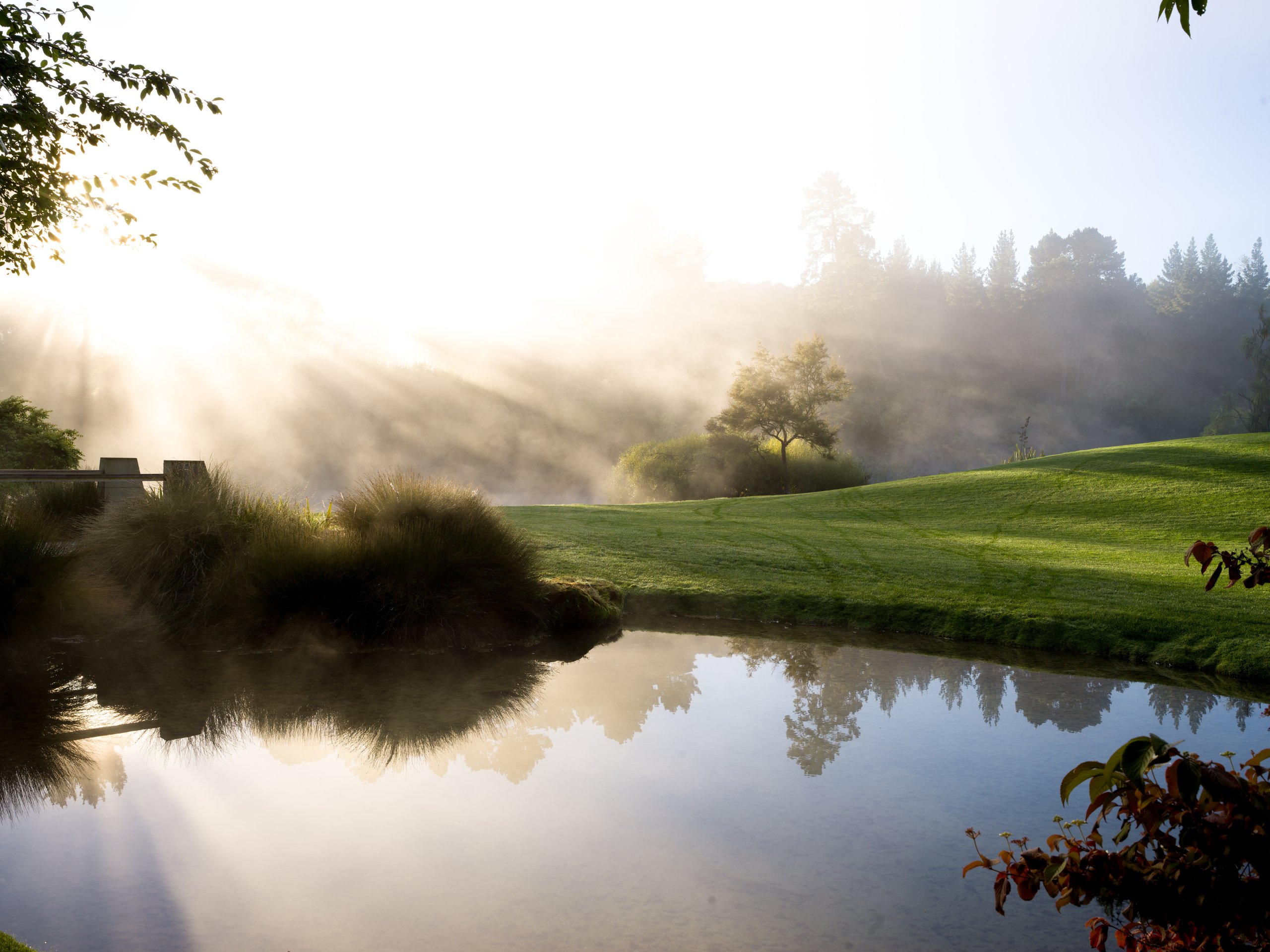
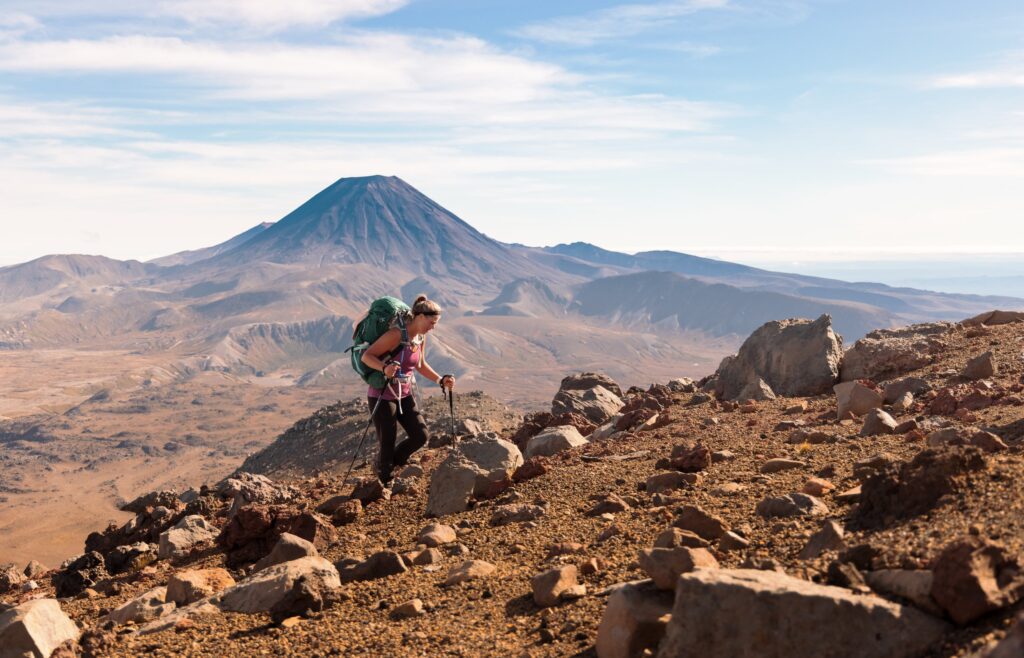
Lake Taupō sits within a vast volcanic caldera, with peaks and geothermal valleys still bearing the marks of its fiery past.
BORN OF FIRE
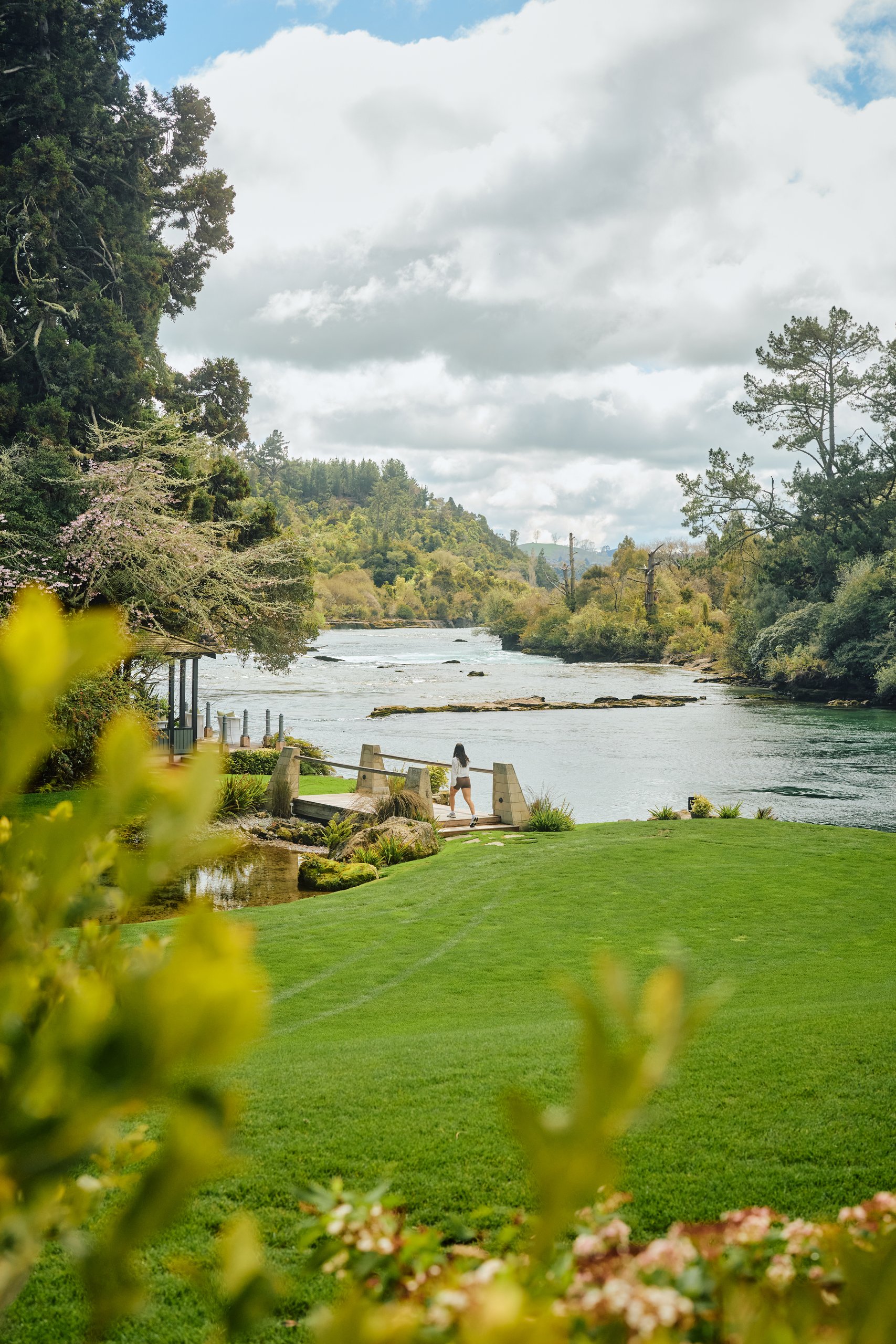
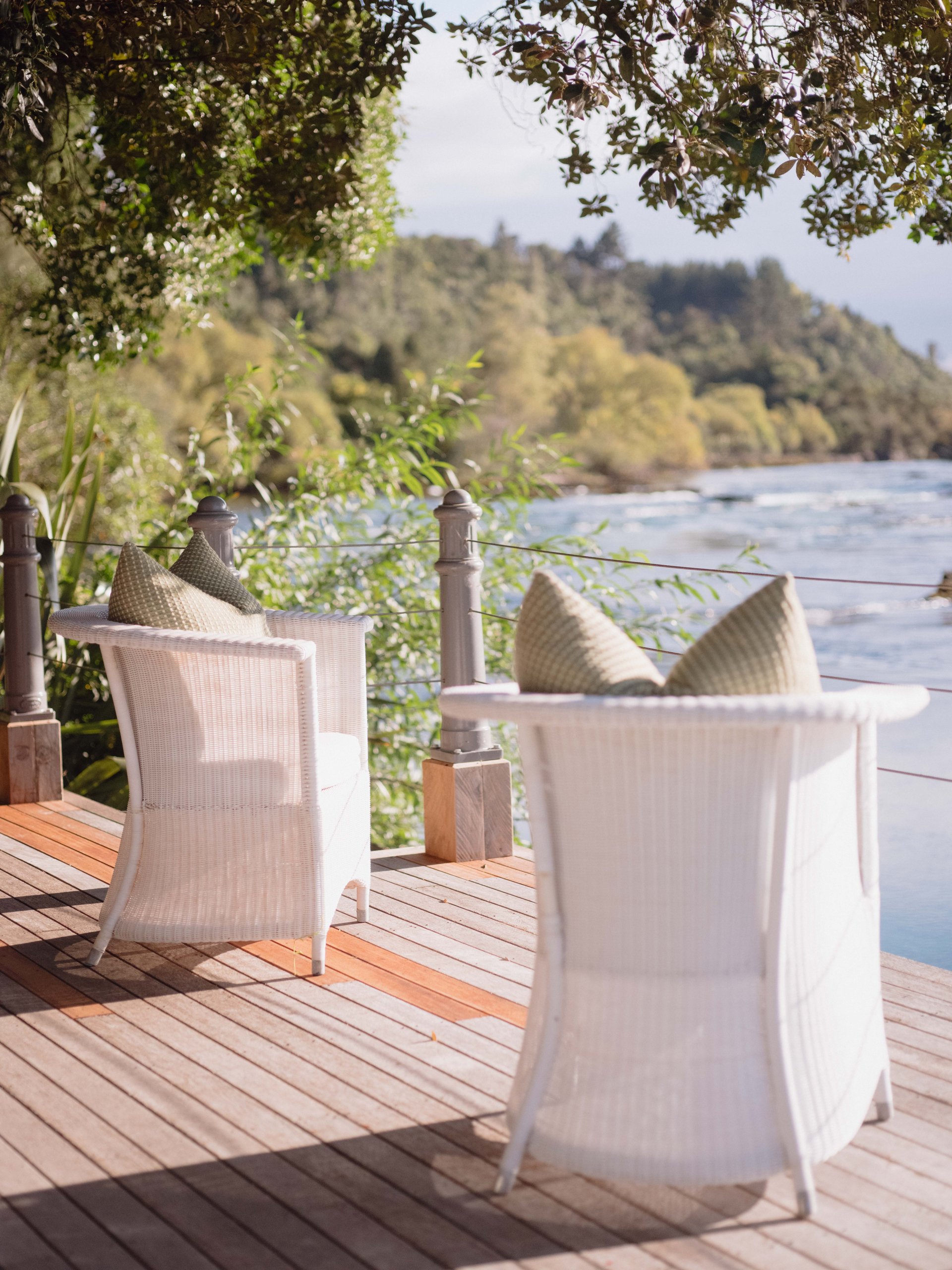
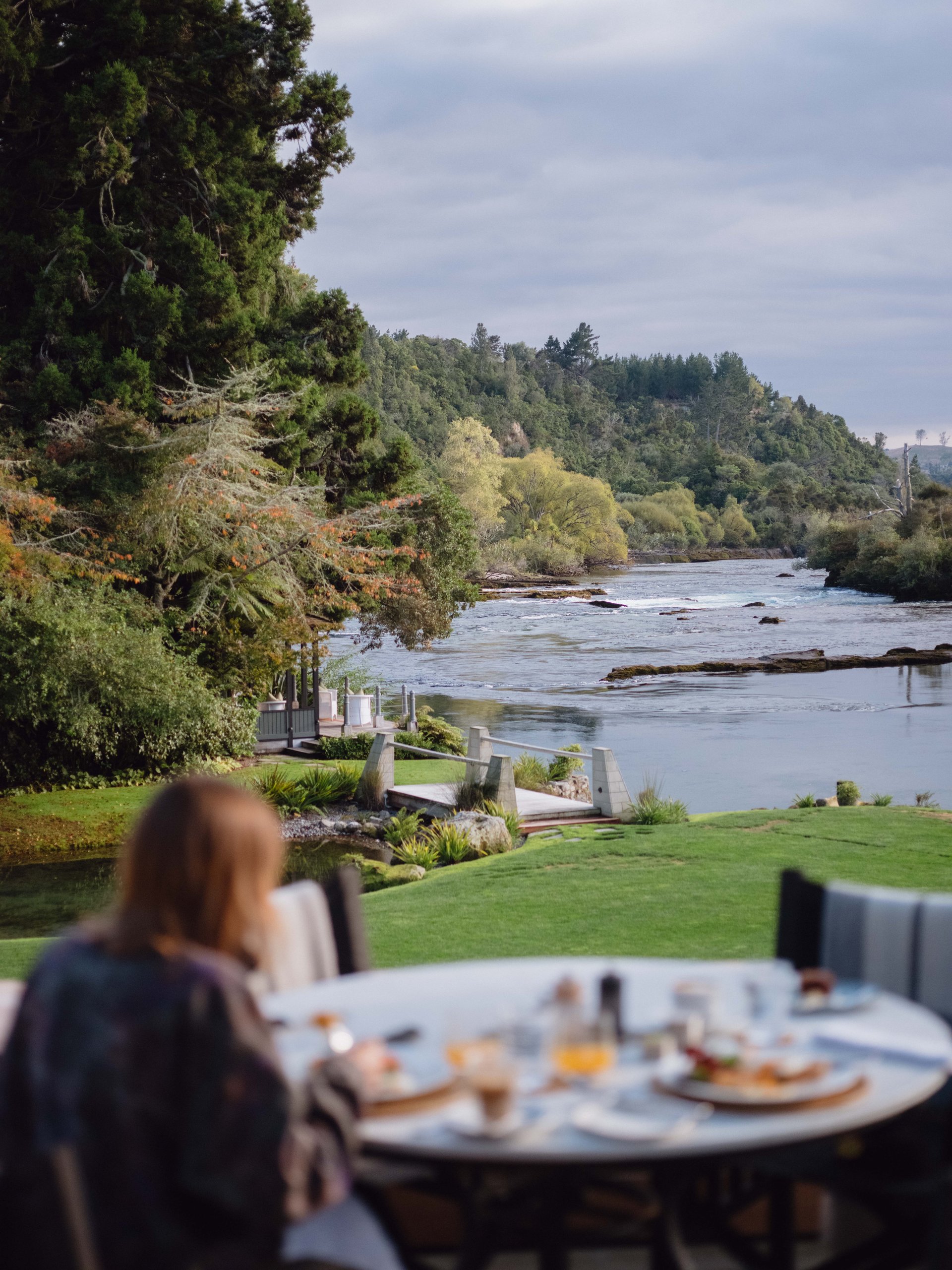
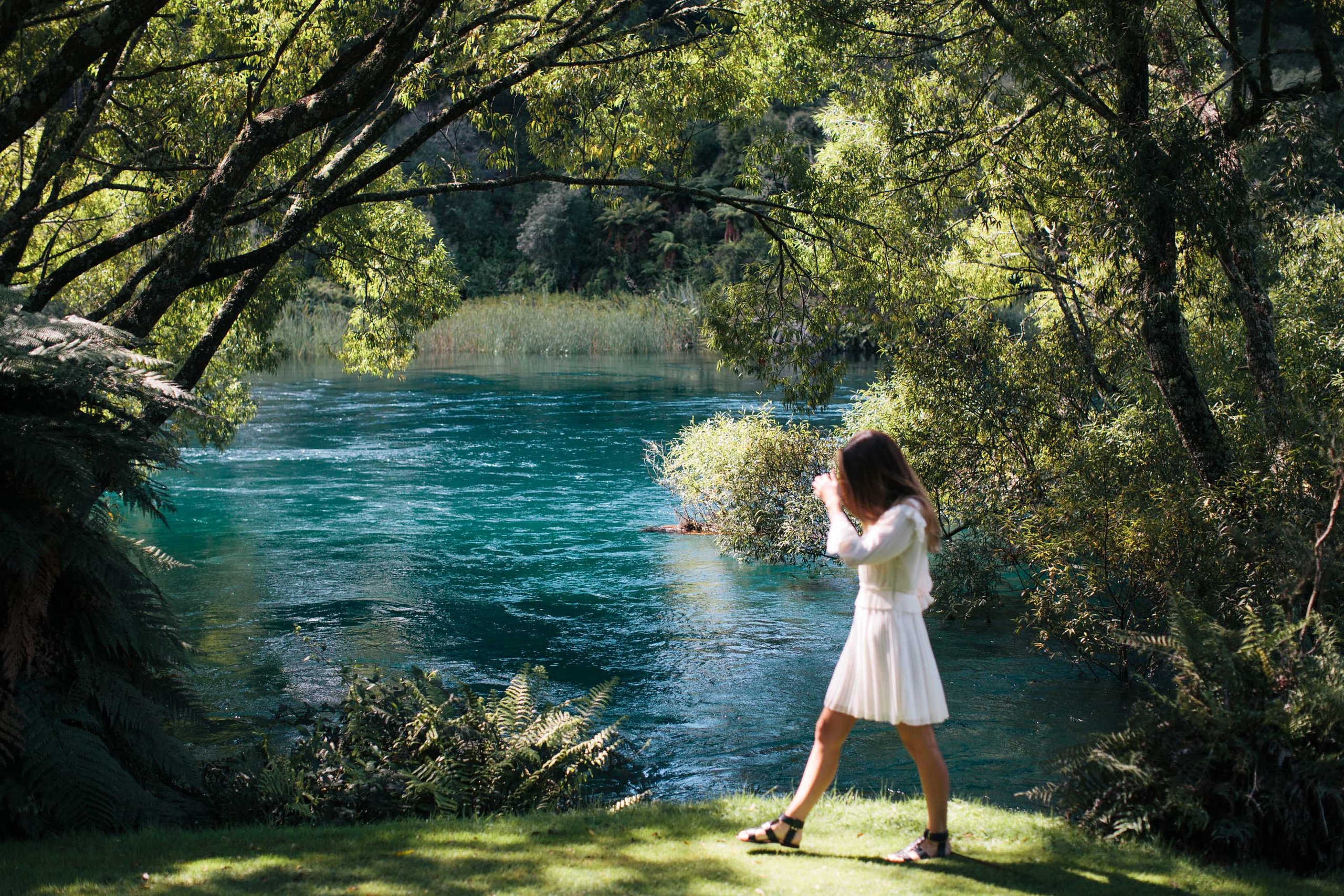
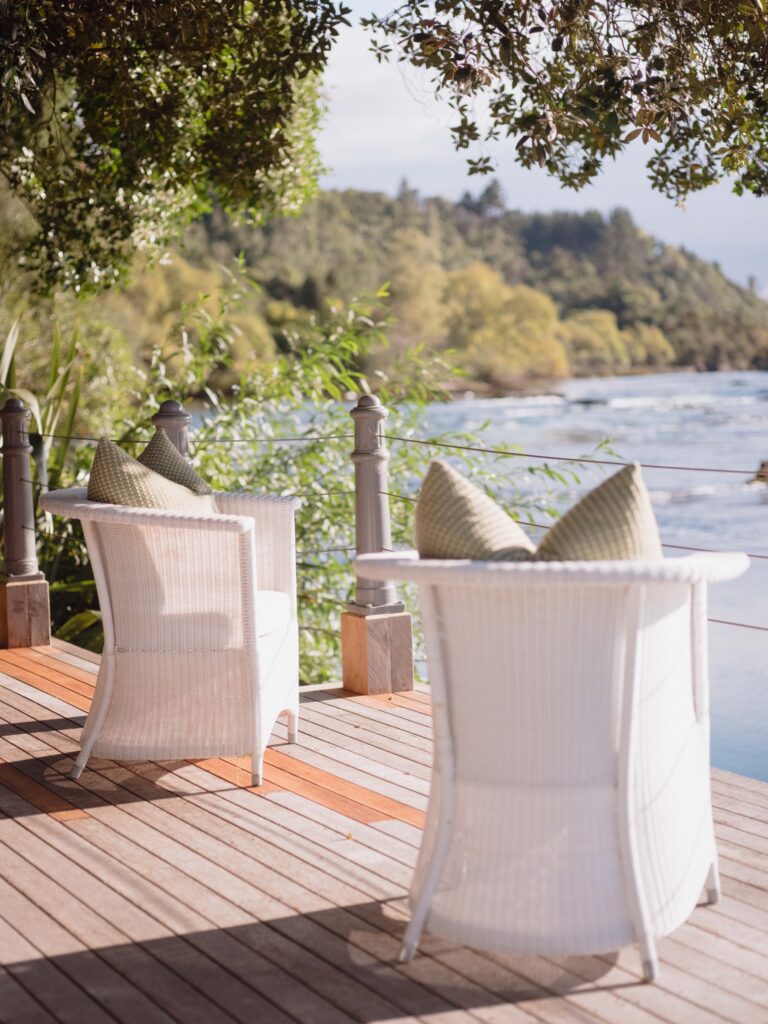
From Lake Taupō, the Waikato River begins its journey north, winding through forest before gathering speed toward Huka Falls. Huka Lodge sits along a quiet bend in the river, surrounded by greenery and within easy reach of the region’s wildest corners.
Tongariro National Park was New Zealand’s first national park, established in 1894.
Tongariro National Park holds dual UNESCO World Heritage status for its natural and cultural significance.
Lake Taupō has just one outlet: the Waikato River, New Zealand’s longest river.
The Ngāti Tūwharetoa Māori people are the traditional guardians of Lake Taupō and the surrounding lands, protecting the region’s natural and cultural heritage.
Taupō’s defining landscapes reward curiosity, whether you follow the water, the trails, or the stories held in the land.
Lake Taupō sits within a vast volcanic caldera, with peaks and geothermal valleys still bearing the marks of its fiery past.
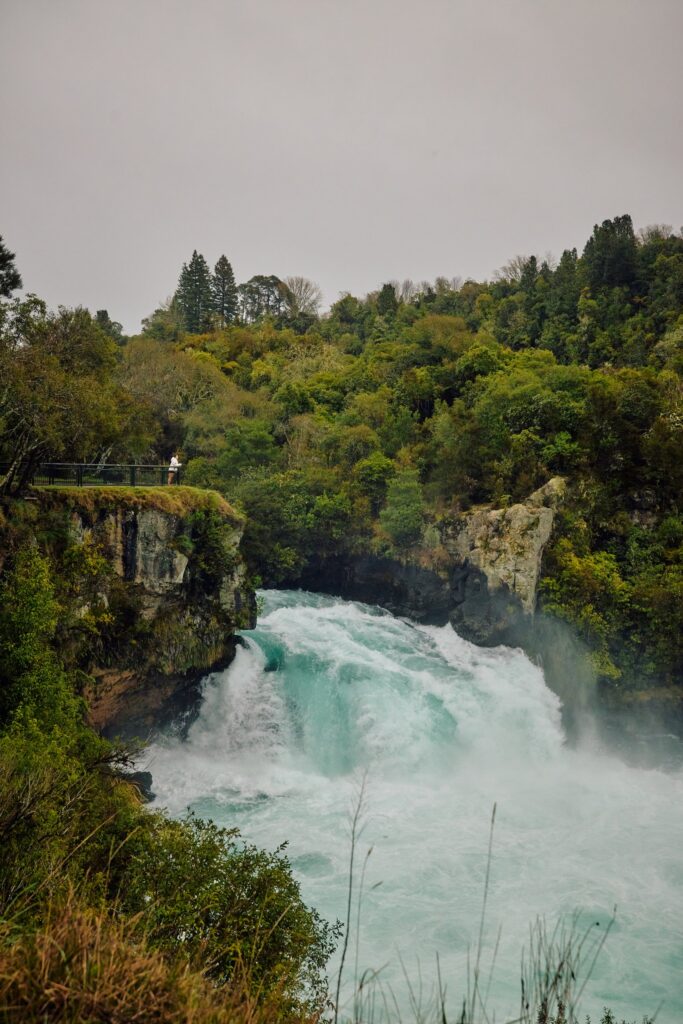
From quiet lake shores to rushing rivers and hidden swimming holes, water is never far from view in Taupō.
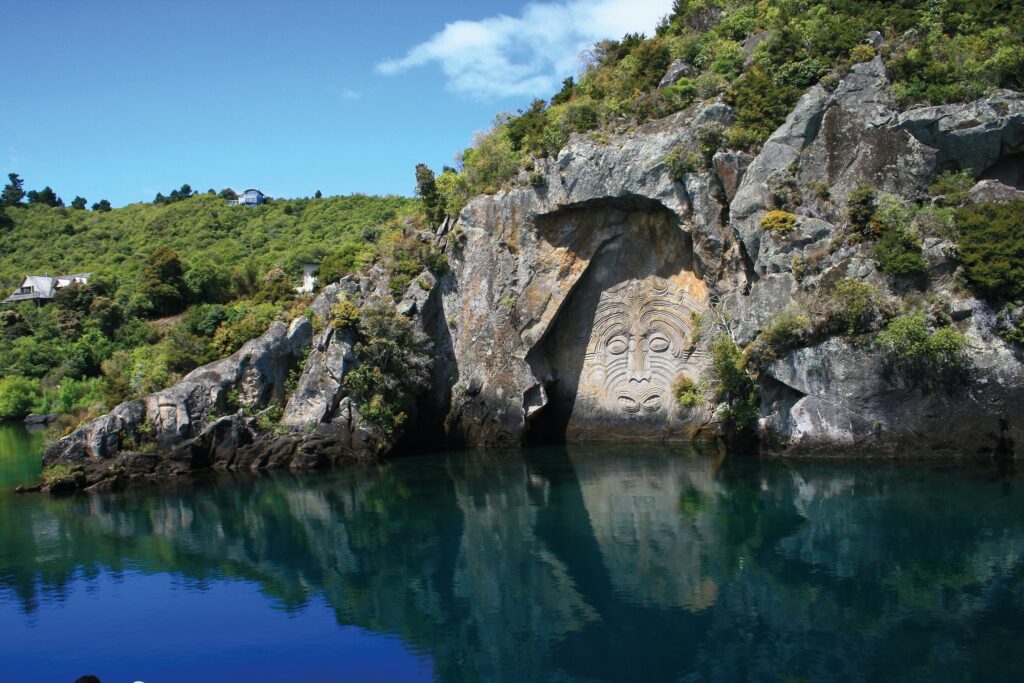
Māori culture runs deep here, carried through stories, traditions, art, and an enduring connection to the land and water.
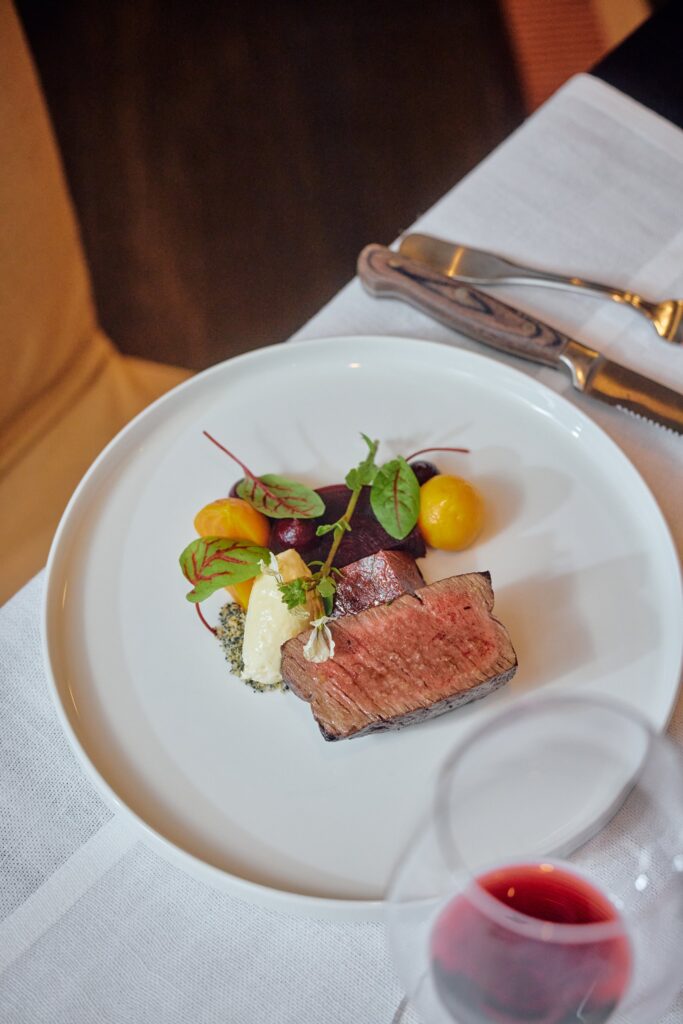
Farmland surrounds Taupō, putting local beef, lamb, produce, and small-batch makers within easy reach of the table.
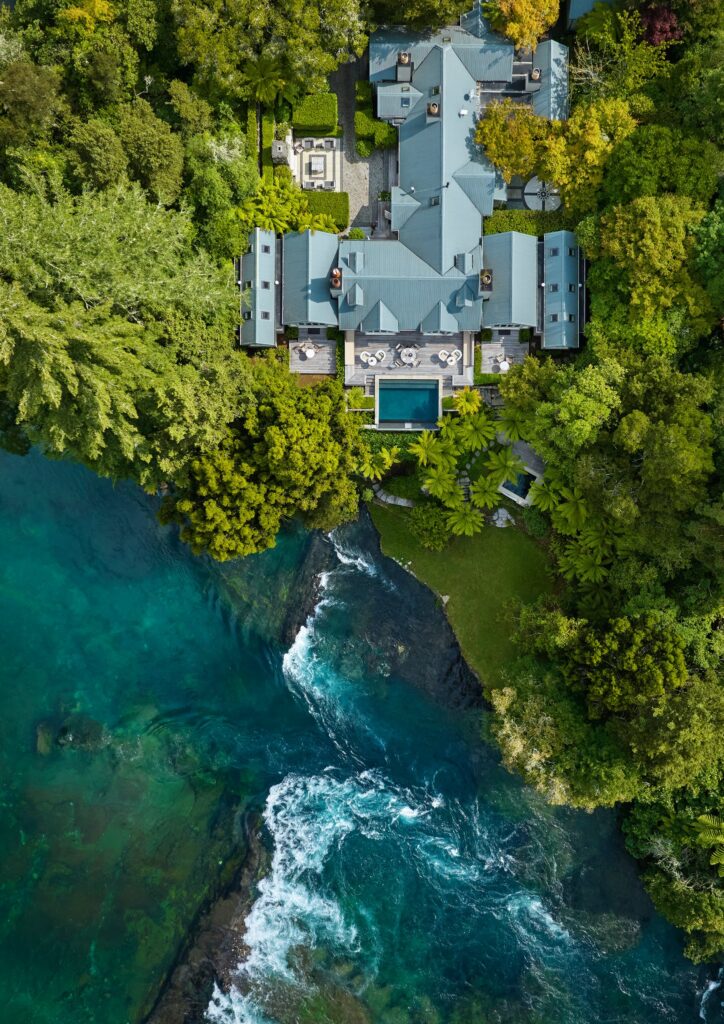
Lake shore gives way to native forest, rolling farmland, volcanic plateau, and mountain country, often within a single day.
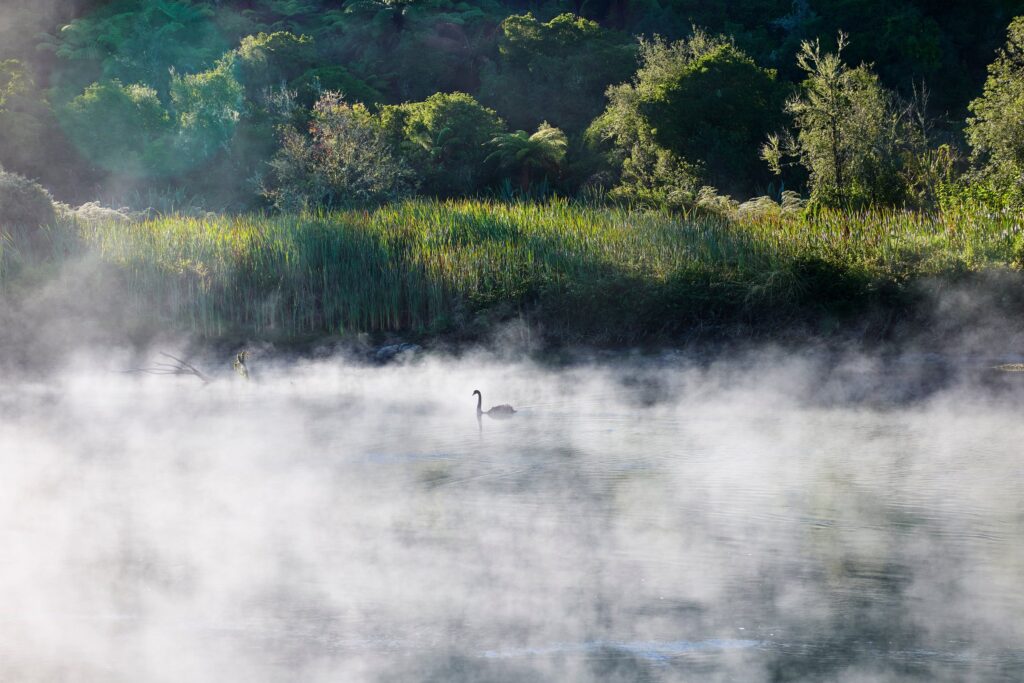
Steam rises from the earth, mineral pools bubble, and hot springs reveal the volcanic forces still at work below.
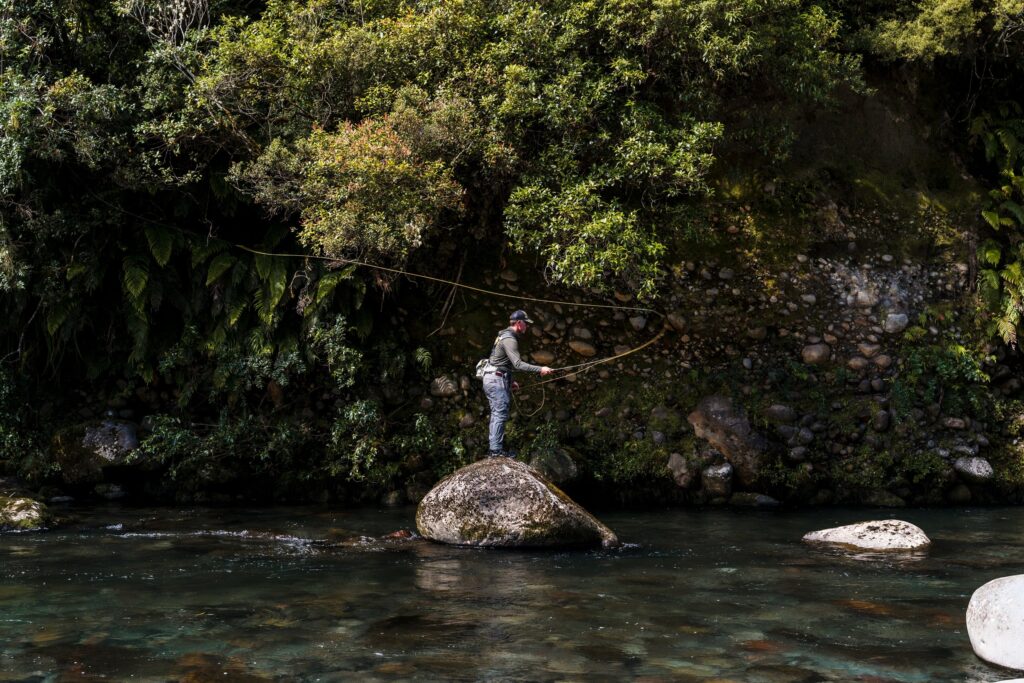
Rainbow and brown trout have made Taupō legendary among anglers, whether casting from the riverbank or heading out by boat.
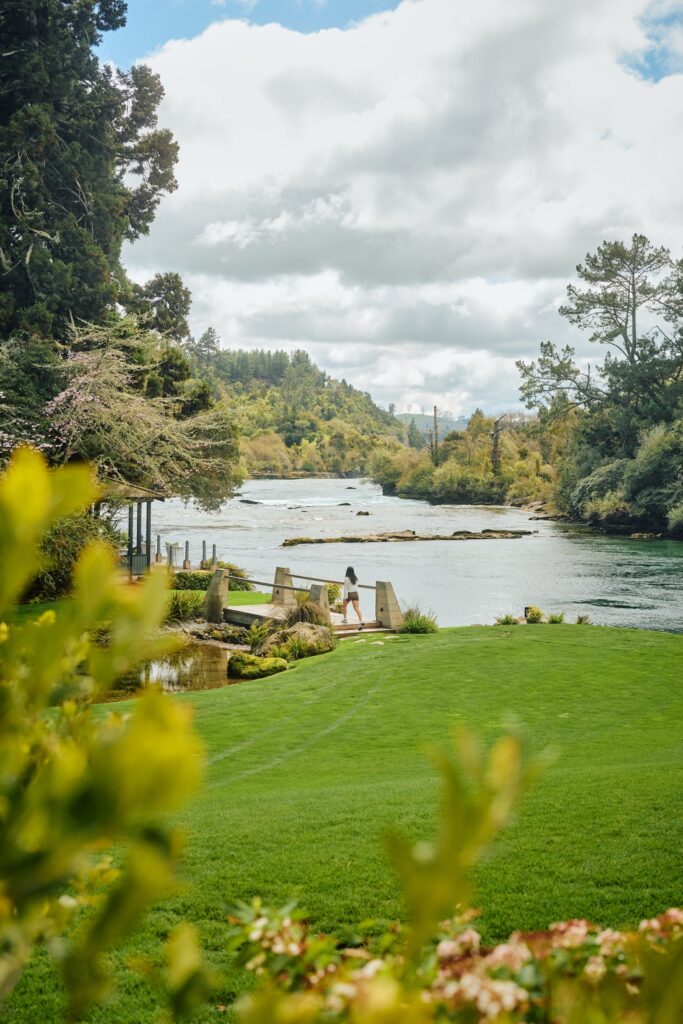
Walking and cycling trails thread through forest, along the lakefront, and into the volcanic landscapes beyond Taupō.
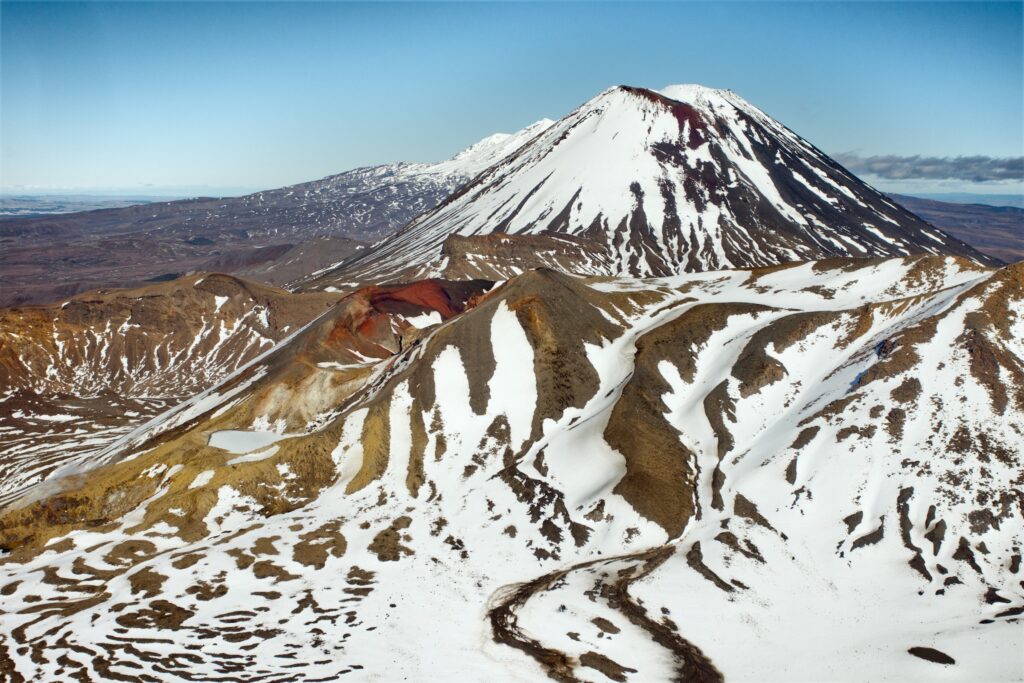
Mount Ruapehu, Tongariro, and Ngāuruhoe rise south of the lake, forming one of the North Island’s most dramatic horizons.
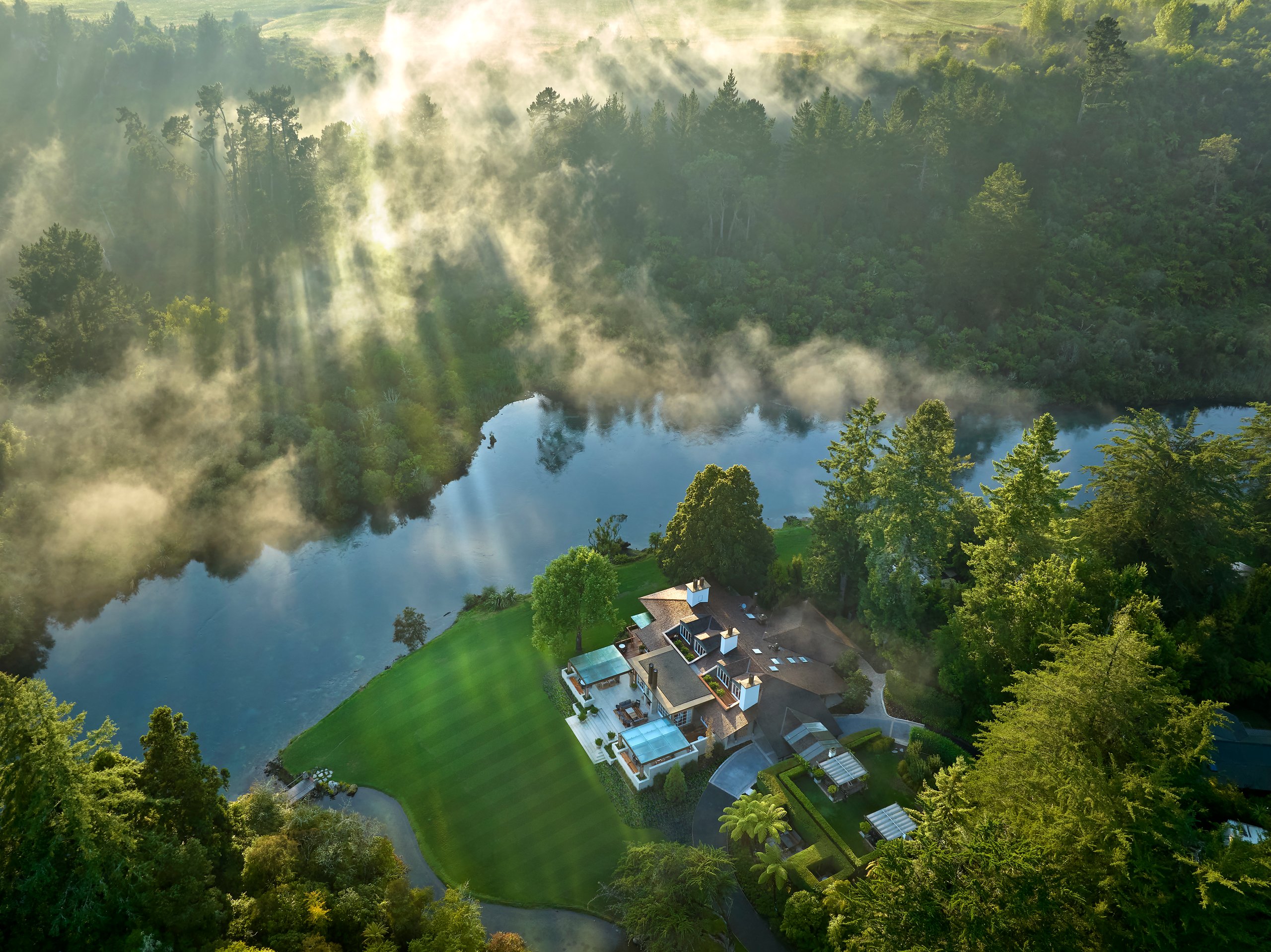
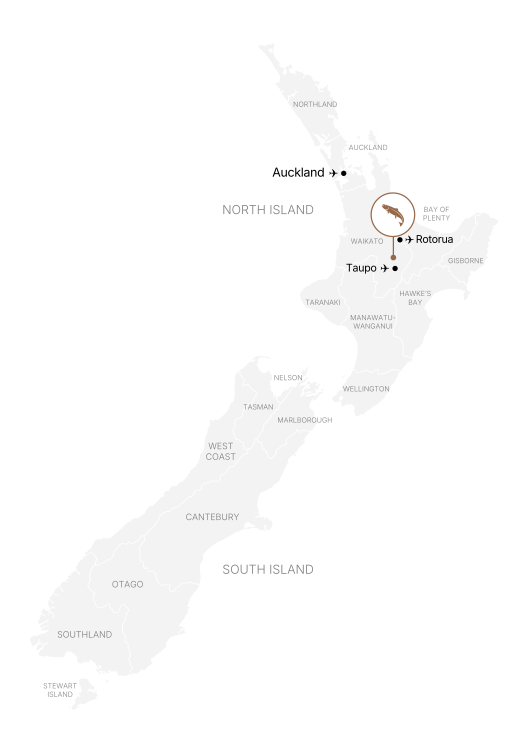
Taupō sits near the center of New Zealand’s North Island, about 3.5 hours by road from Auckland. Huka Lodge is just 15 minutes from Taupō Airport and approximately one hour from Rotorua Airport, with several ways to make the final leg, whether you arrive by car, scheduled flight, or helicopter.
International travelers typically arrive through Auckland or Wellington, with domestic connections continuing to Taupō Airport. Air New Zealand operates scheduled flights from Auckland, with a flight time of about 45 minutes. Flight frequency varies by day.
Complimentary shared transfers between Taupō Airport and Huka Lodge are included with your stay and take about 15 minutes. Private limousine transfers can also be arranged, including direct service from Auckland and Rotorua airports.
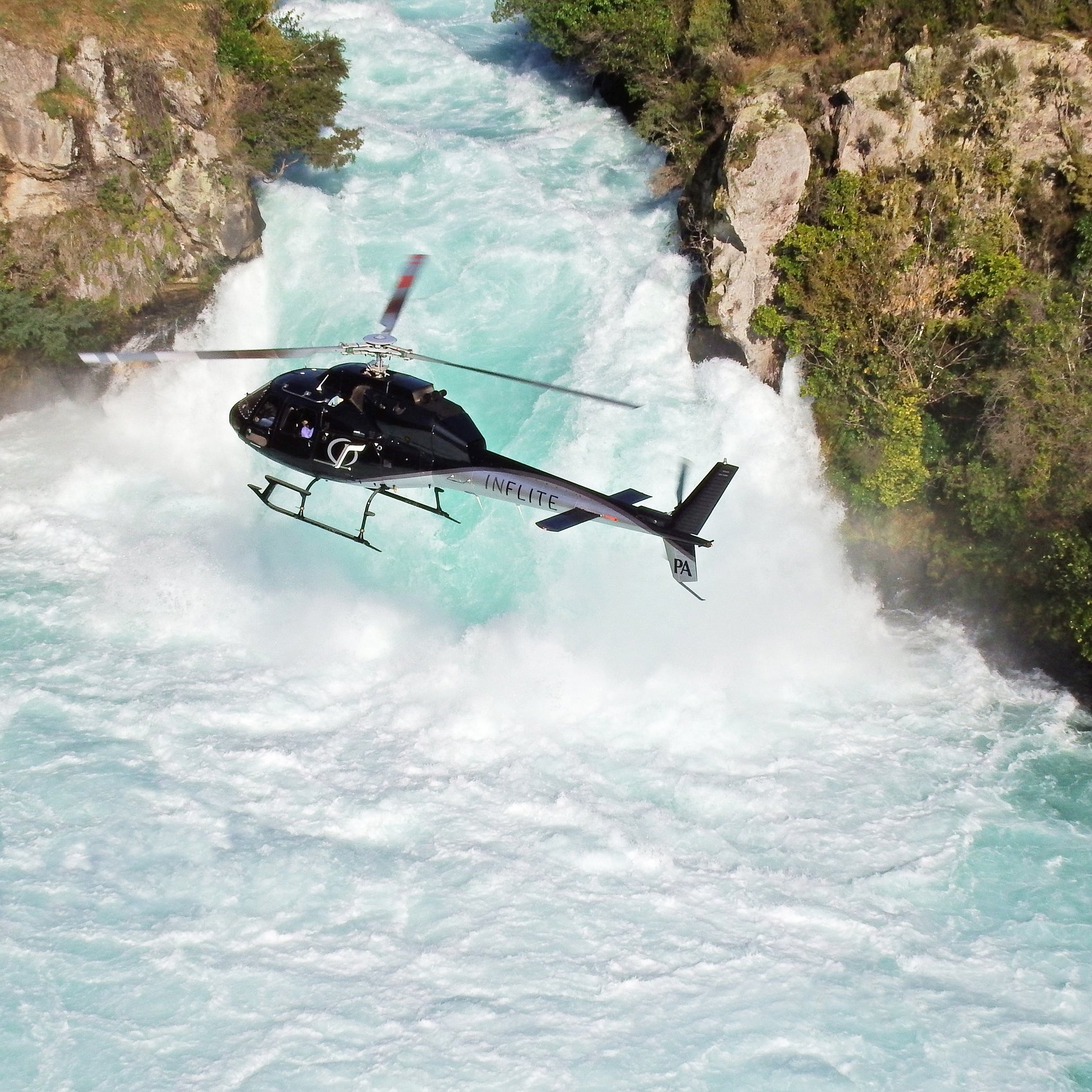
For a more memorable way in, helicopter charters can fly directly to Huka Lodge from Auckland, Wellington, Rotorua, and other departure points, touching down on the riverside lawn just steps from the lodge.
Taupō is about 3.5 hours from Auckland, five hours from Wellington, and one hour from Rotorua by car. Driving gives you the freedom to make the journey part of the trip, with plenty to explore across the North Island along the way.
SEASONALITY
Summer brings warm days and long evenings for exploring the lake, river, and trails. Autumn cools the air and turns the surrounding landscape gold, while winter brings crisp mornings and snow to the volcanic peaks. By spring, the countryside is green again and longer days draw you back outdoors.
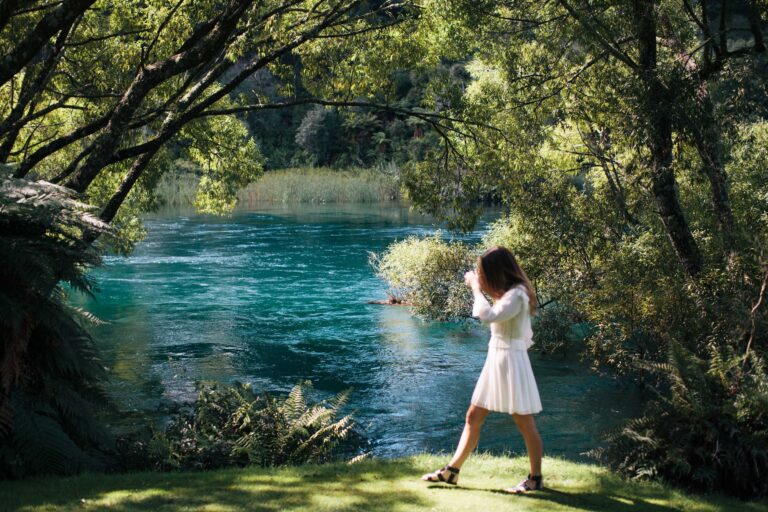
Long days are made for the water, whether you’re boating across Lake Taupō, casting for trout, or finding a place for a swim.
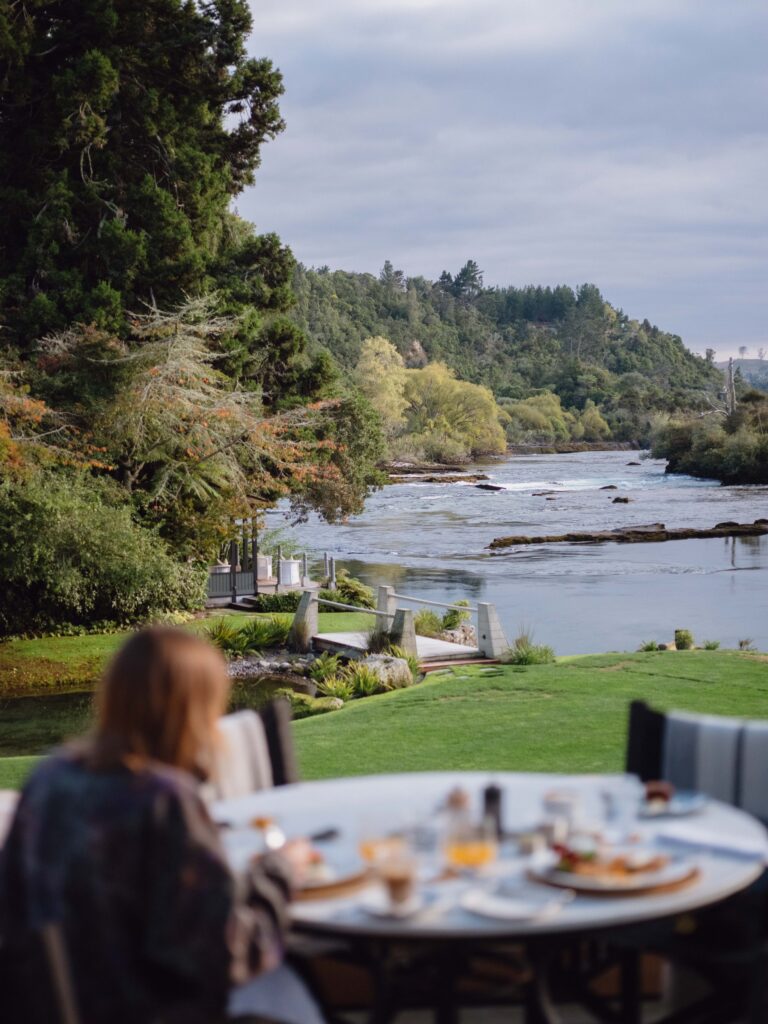
Cooler days bring excellent trout fishing and plenty of time to explore the lake, trails, and countryside beyond.
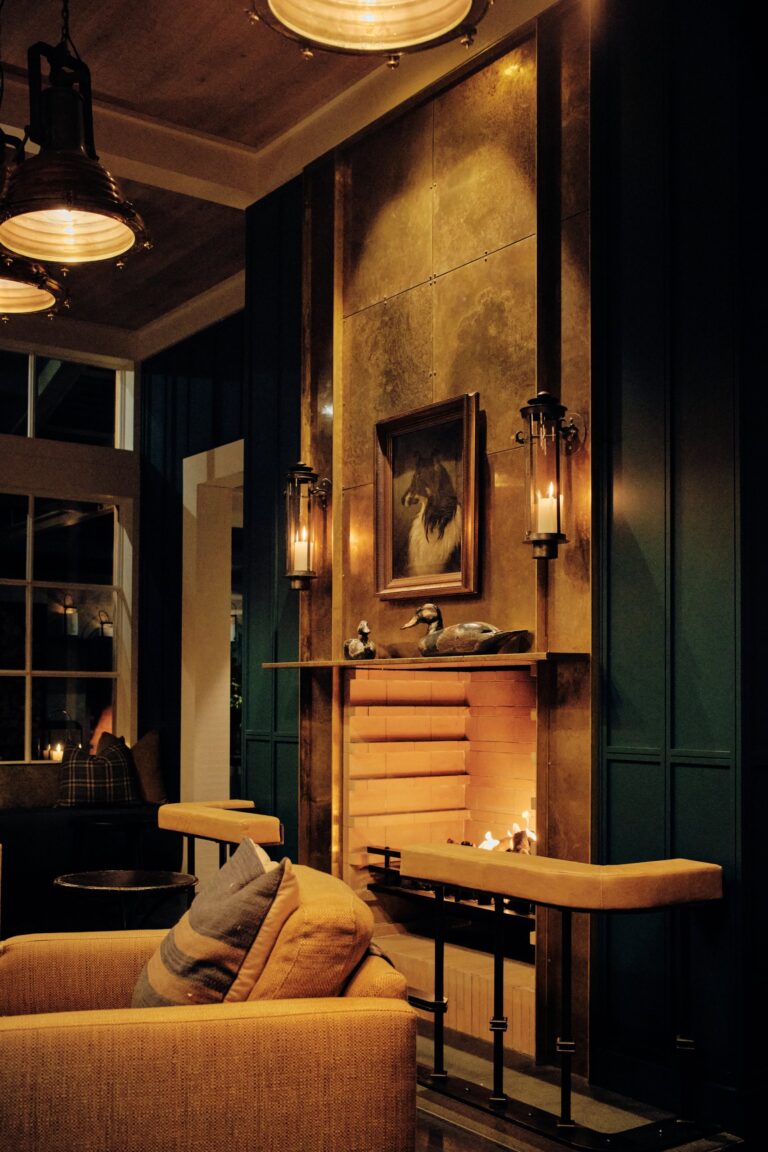
Snow settles on the volcanic peaks, with skiing within easy reach by day and fireside evenings waiting back at the lodge.
Warmer days invite you back outside for hiking, rafting, fishing, and exploring the region’s geothermal country.
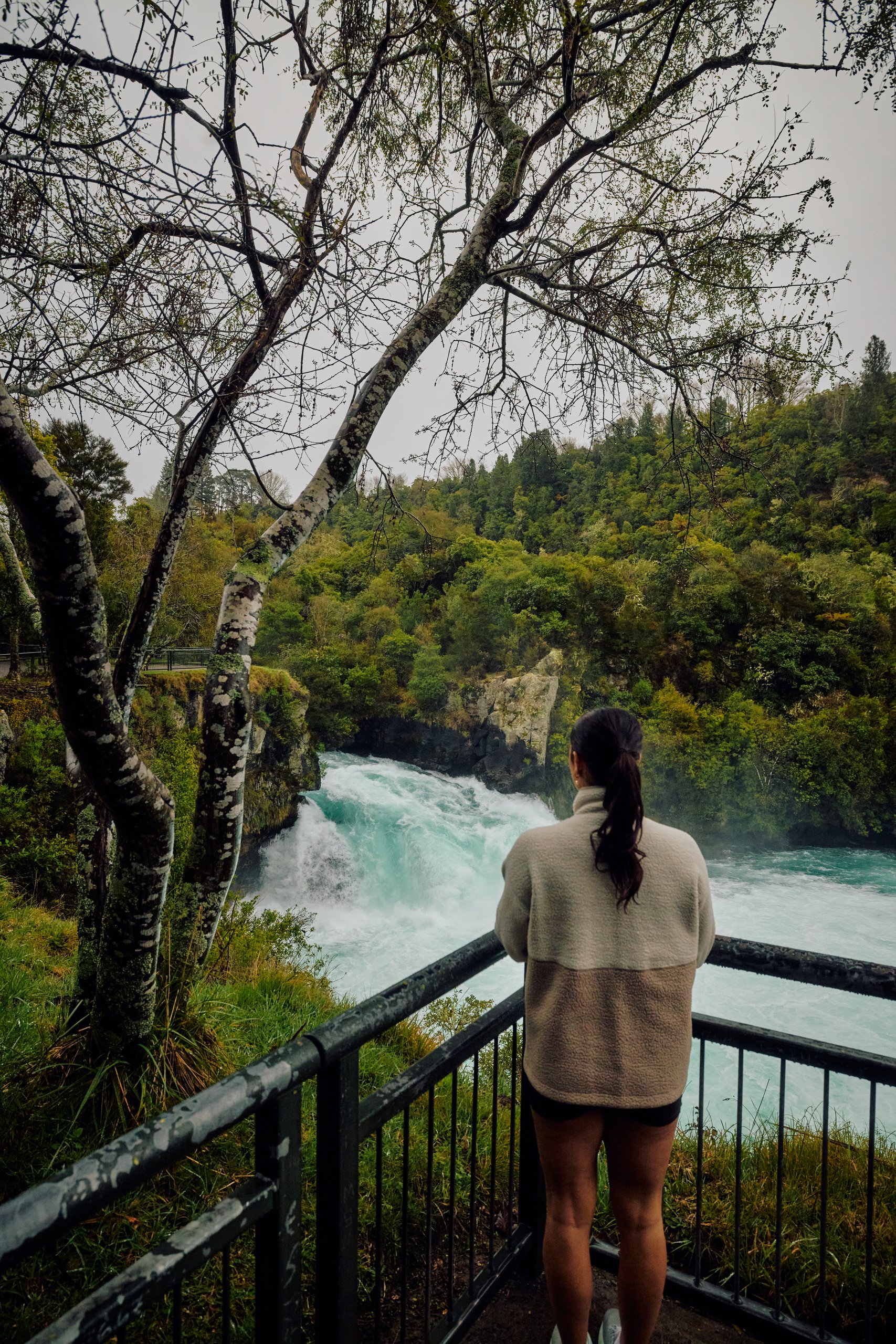
Taupō’s weather can shift quickly, so layers are your best bet. Pack comfortable walking shoes, a light waterproof jacket, and something warm for cooler mornings and evenings. In summer, add swimwear, sunglasses, and sun protection for days by the lake and river.
Your stay includes a full country breakfast, pre-dinner drinks and canapés, dinner with paired wines, and an in-suite bar replenished daily. You’ll also have full use of the lodge and wellness facilities, plus return transfers to Taupō Airport.
Daily laundry and dry-cleaning services are available throughout your stay for an additional charge.
Dress at Huka Lodge is smart casual, in keeping with the relaxed country setting. Evenings call for something polished but comfortable, with no need for ties, jackets, or formal dinner attire.
Still have questions? Our specialists can help with the details before your stay.
Get in TouchThe official currency is the New Zealand dollar (NZD).
Taupō follows New Zealand Standard Time (NZST), or GMT+12, with daylight saving observed seasonally.
English is widely spoken throughout New Zealand. Te reo Māori, the language of the Māori people, is also an official language, and you will see it on signage across the country.
Fly fishing is available year-round, but winter is particularly rewarding as rainbow and brown trout move into the rivers to spawn. Lake Taupō itself has no closed fishing season, though regulations vary by waterway.
Three nights is a good starting point, allowing time to experience the lake and river, explore Huka Falls, enjoy a regional adventure, and still leave room to slow down at the lodge. Longer stays make it easier to venture farther into the central North Island.
Yes. Huka Lodge provides complimentary shared transfers to and from Taupō Airport, and many regional experiences can be arranged with private transfers or specialist local operators. A car offers added flexibility for independent day trips, but it is not essential to enjoy the region.
Lake Taupō supports at least 31 species of aquatic birds, along with native fish, kōura, and wild trout. Farther afield, native forests offer opportunities to spot some of New Zealand’s distinctive birdlife.
Rotorua is around a one-hour drive north of Taupō. Tongariro National Park is roughly an hour south, with Whakapapa Village around 1 hour 15 minutes away by road.
Taupō makes an excellent base for exploring the central North Island. Popular day trips include the geothermal landscapes around Rotorua, Hobbiton, Tongariro National Park, Pureora Forest Park, and the southern reaches of Lake Taupō around Tūrangi.
Yes. Families can spend time on Lake Taupō, explore easy walking and cycling trails, take scenic cruises, visit geothermal areas, or enjoy gentler river adventures. Huka Lodge welcomes children aged 10 and over.