






Unique Wildlife of the Daintree
Wonderful Wildlife

Welcome to the Daintree Rainforest, a world-renowned ecological treasure trove nestled in the heart of tropical North Queensland, Australia.
This ancient rainforest, part of the Wet Tropics of Queensland World Heritage Area, is teeming with a diverse and remarkable array of wildlife. As the oldest rainforest in the world, the Daintree has given its creatures millions of years to develop unique and quirky physical traits that set them apart from wildlife elsewhere in Australia. The forest itself is an outlier, given the rare combination of climate, geography and landscape that has allowed it to remain seemingly untouched for nearly 135 million years. From glowing insects to prehistoric reptiles, let’s delve into the wild wonders and curious creatures of the Daintree.
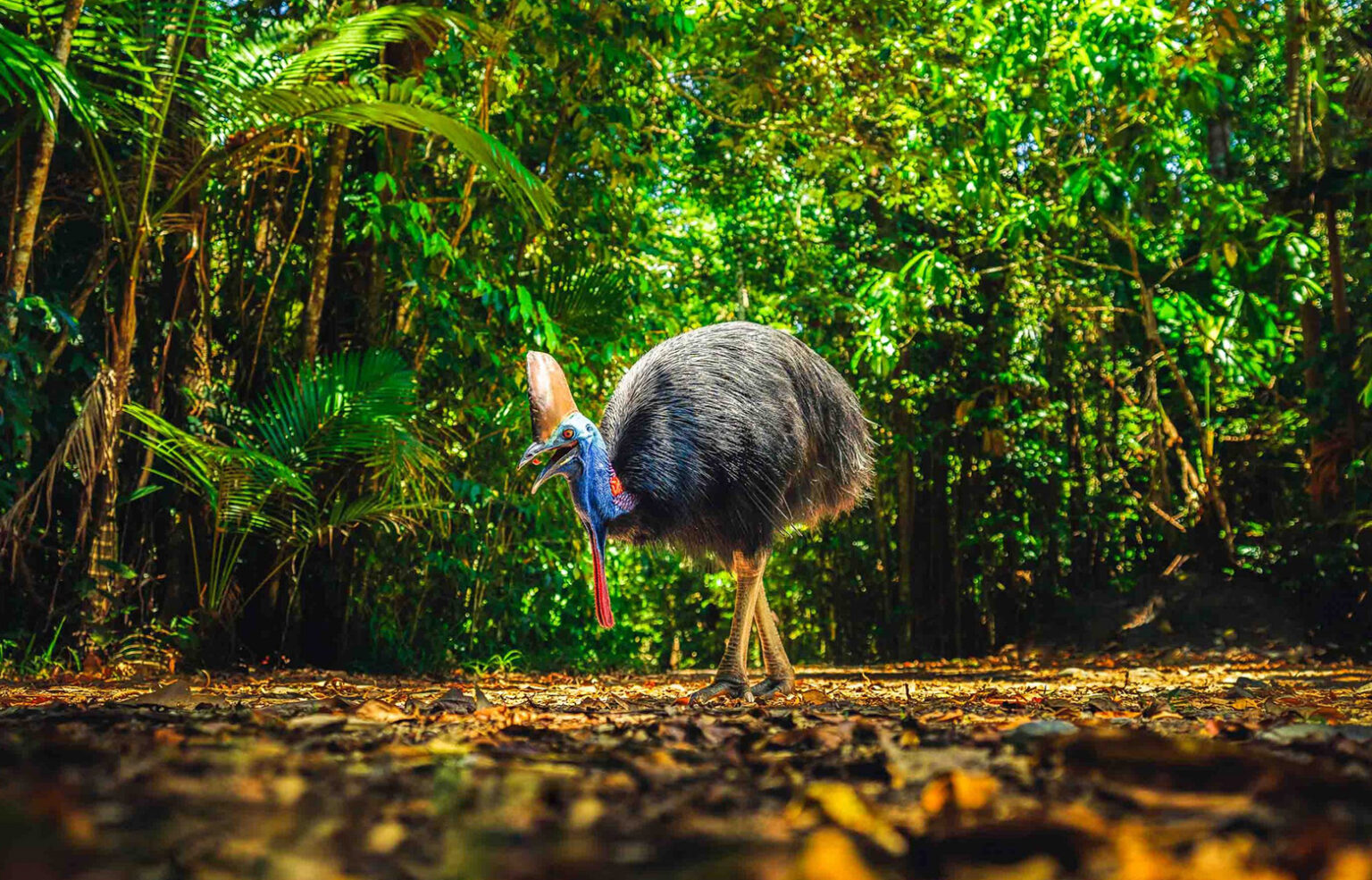
Image: Adventure.com
The Cassowary
Did you know that the Southern Cassowary, a flightless bird native to the Daintree, is considered one of the world’s most dangerous birds? They possess sharp claws and can run at impressive speeds, making them formidable creatures. Cassowaries play a crucial role in the ecosystem by dispersing the seeds of rainforest trees through their consumption of fruits. This aids in the regeneration of the rainforest, contributing to its biodiversity.
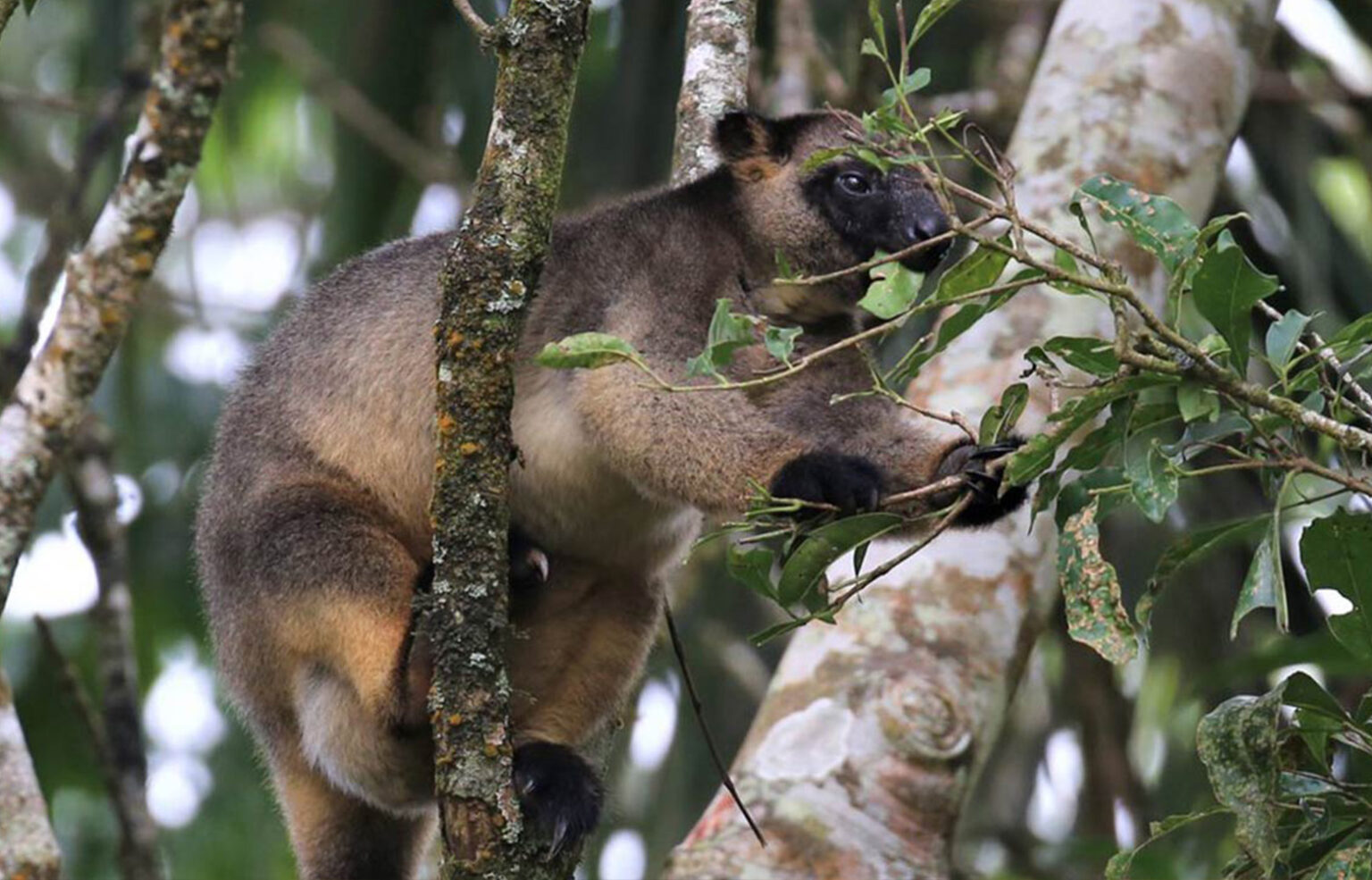
Image: Nerada
Lumholtz Tree Kangaroo
The Daintree Rainforest is home to the Lumholtz’s Tree Kangaroo, a unique marsupial known for its ability to leap from tree to tree with remarkable agility. Unlike its ground-dwelling cousins, this kangaroo adapted to life in the canopy. Lumholtz’s Tree Kangaroo’s striking appearance includes dark fur and a distinctive, blunt face. They are often seen napping high in the treetops, blending seamlessly with the rainforest’s lush greenery.
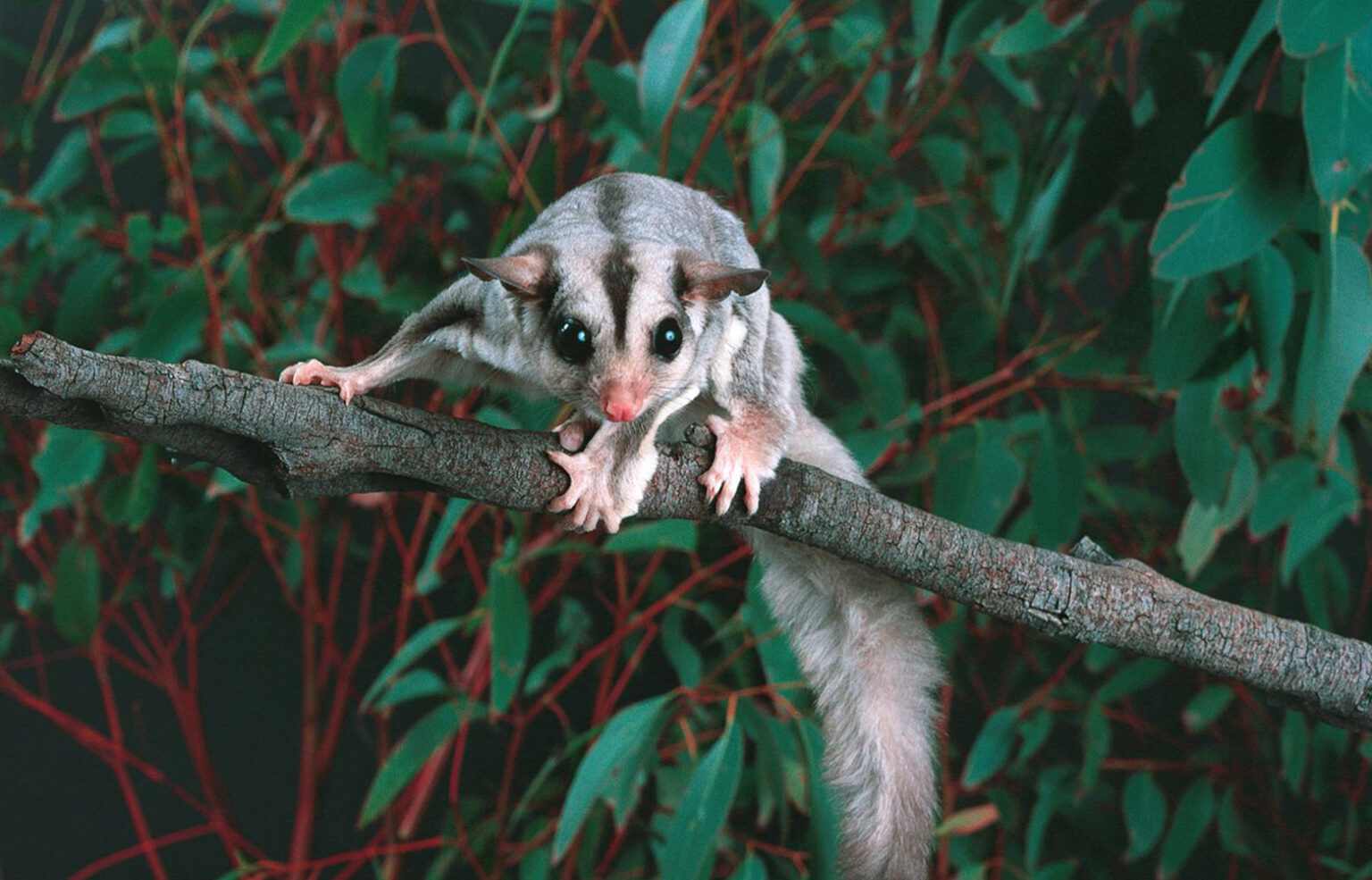
Image: Australian Museum
Sugar Glider
Sugar Gliders, small marsupials resembling flying squirrels, can be found gliding gracefully between trees in the Daintree Rainforest. Their flap-like membranes called patagia allow them to glide up to 150 feet. These nocturnal creatures have a sweet tooth and are known to feed on nectar, sap, and fruit. They are an essential part of the rainforest’s pollination process, aiding in the reproduction of many plant species.
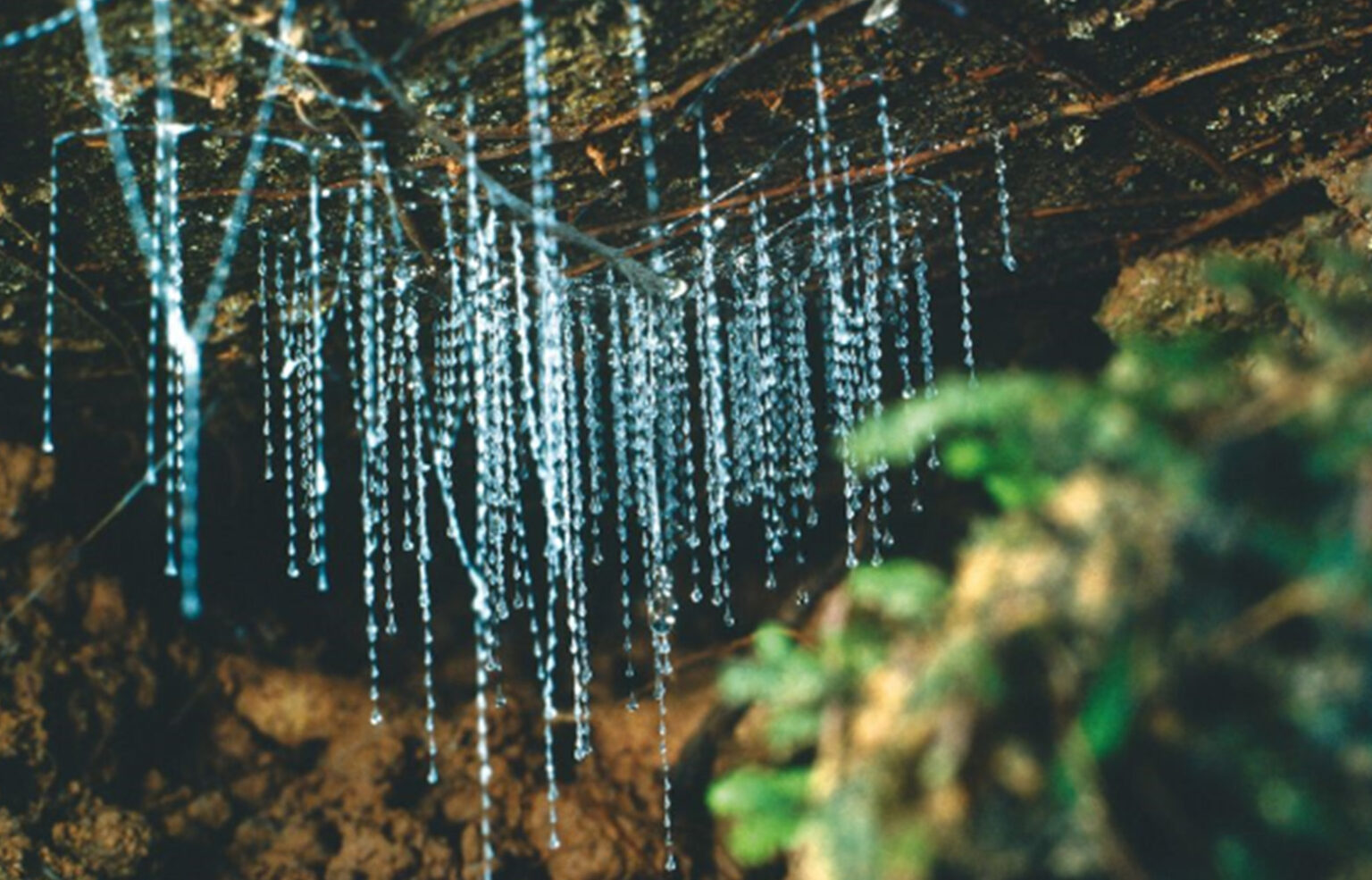
Luminous Glow Worm
One of the most enchanting and lesser-known inhabitants of the Daintree Rainforest is the Glow Worm. These bioluminescent insects light up the forest floor at night with their mesmerizing blue-green glow. Contrary to popular belief, glow worms are not worms but actually the larval stage of a type of fungus gnat. They use their light to attract prey, such as other insects, into their sticky webs, where they capture their meals.
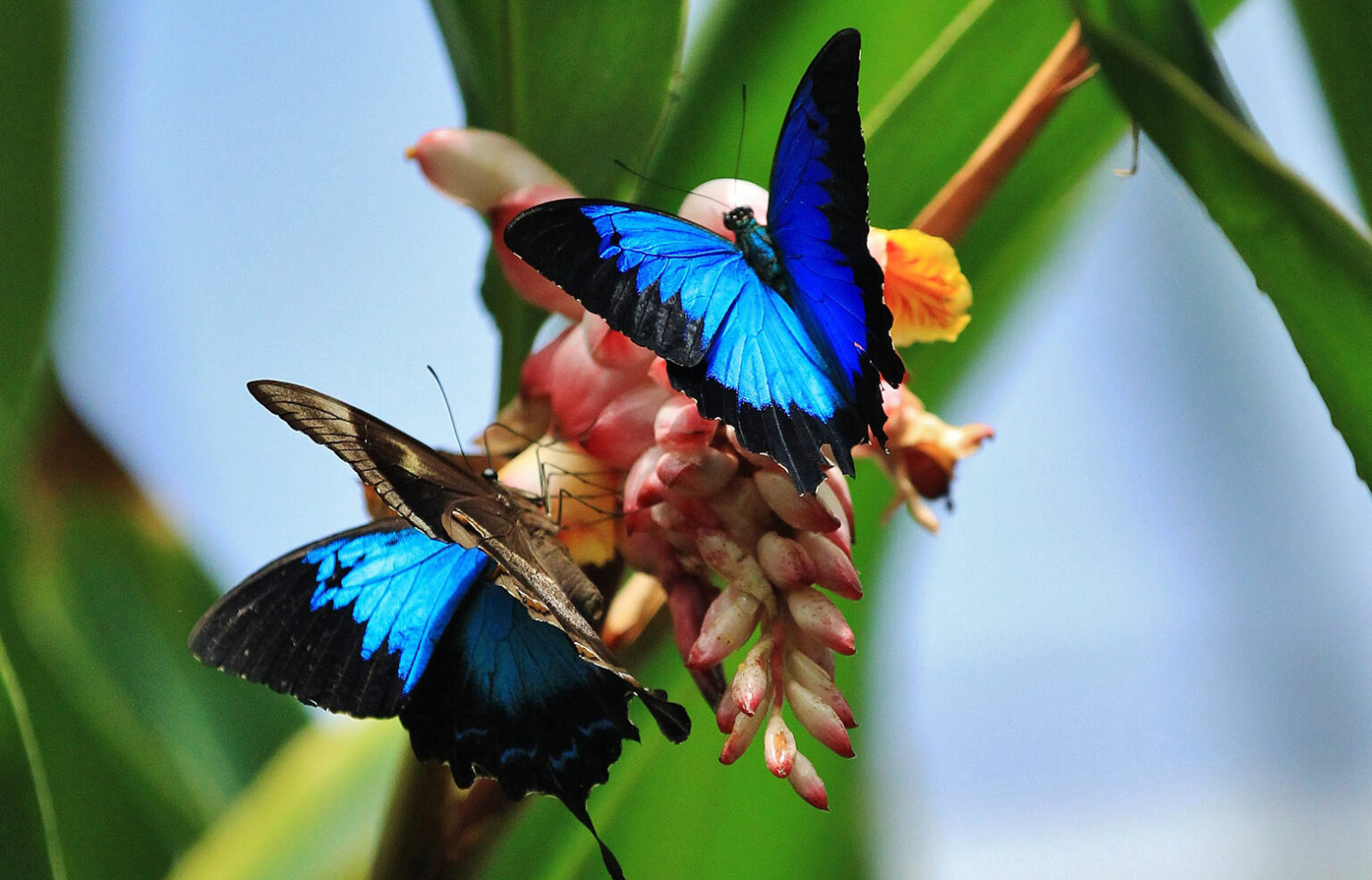
Image: Skyrail Rainforest Cableway
Ulysses Butterfly
The Ulysses Butterfly is a true masterpiece of nature, with its electric blue wings that can span up to 14 centimeters. This vibrant insect is one of the most striking species found in the Daintree. Despite their brilliant appearance, Ulysses Butterflies are known for their short lifespan, lasting only a few weeks. During this time, they play a vital role in pollinating various rainforest plants, contributing to the region’s biodiversity.
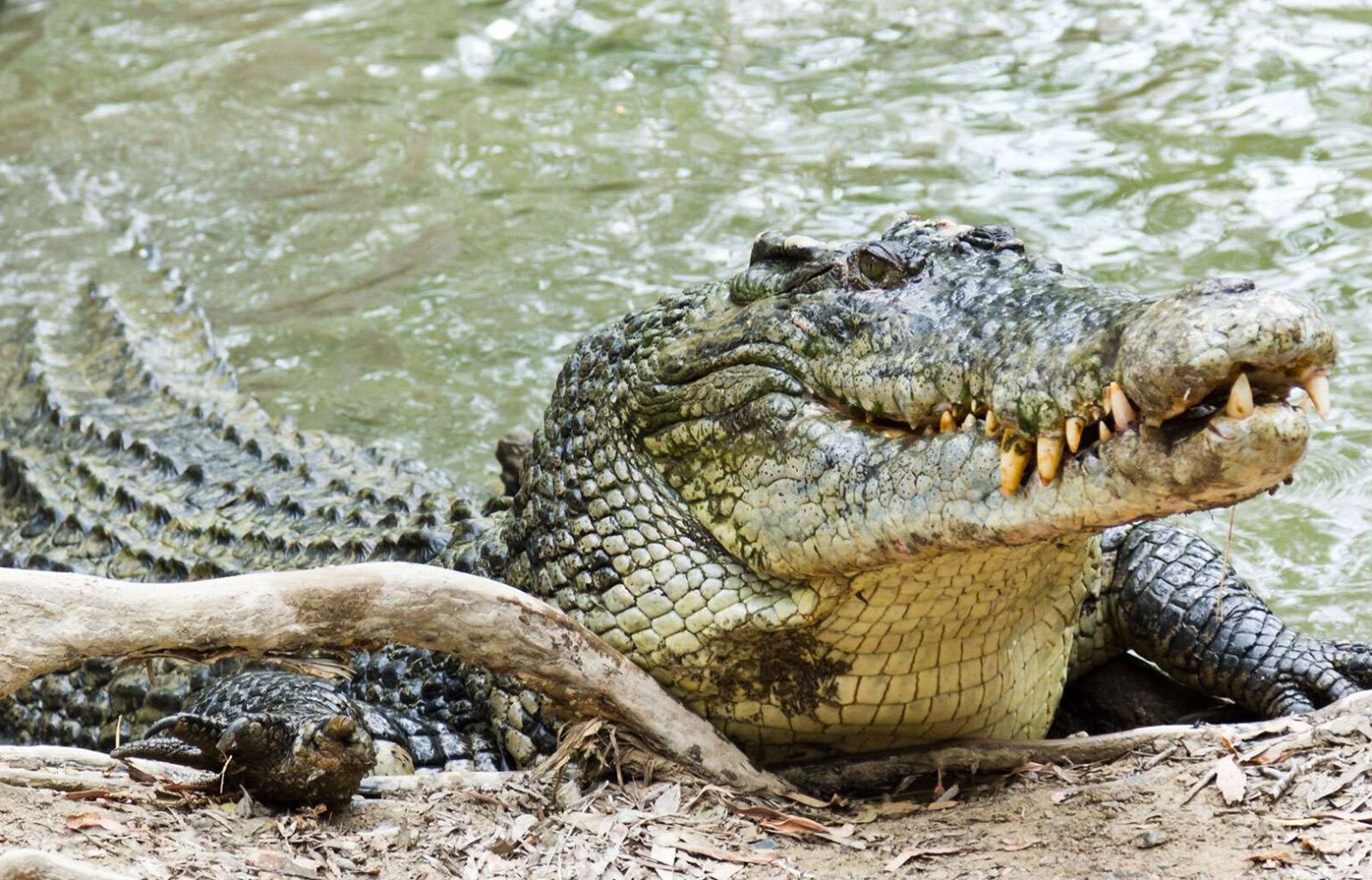
Image: Daintree Crocodile Tours
Saltwater Crocodile
The Daintree River is home to the iconic Saltwater Crocodile, a massive reptile that can grow up to 7 meters in length. These apex predators lurk in the river’s murky waters, making them a formidable presence in the rainforest. Crocodiles are often likened to modern-age dinosaurs, which is true. Estimated to be 95 million years old, Crocodiles spanned from the Cretaceous Period of Dinosaur evolution and were alive at the same time as creatures such as the giant Patagotitan, which could grow up to 37 metres long. While they are notoriously elusive, guided river cruises offer visitors the chance to witness these ancient creatures basking along the riverbanks. It’s a thrilling opportunity to observe these reptilian giants in their natural habitat. While saltwater crocodiles may be imposing and deadly, they mostly reside in the Daintree River. Thankfully for guests of Silky Oaks Lodge, they don’t spend their time in the cool waters of the Mossman River, so it is more than safe to swim.
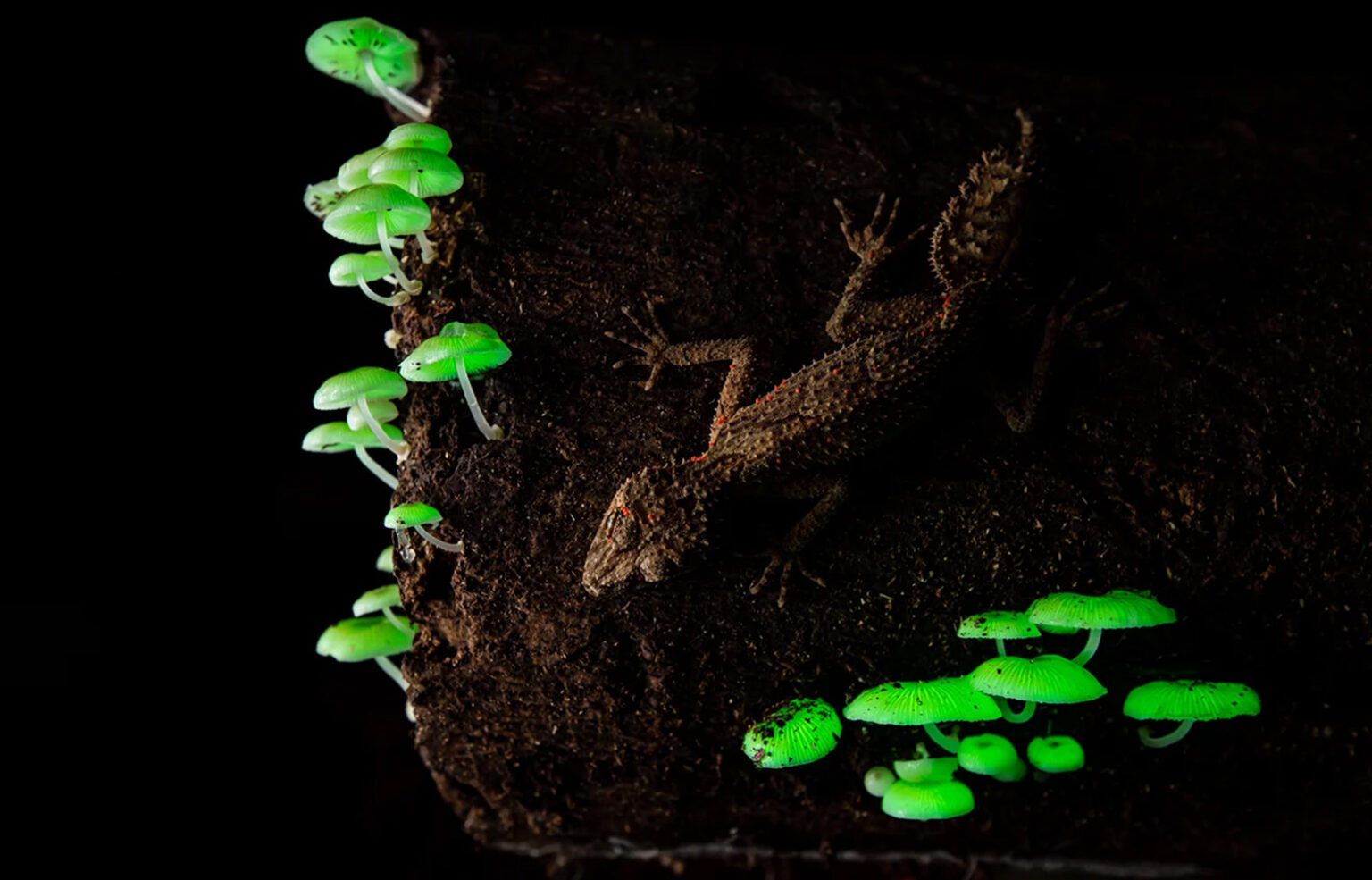
Image: Australian Geographic
Bioluminescent Fungi
In addition to glowing insects like the aforementioned glow worm, the Daintree Rainforest is also known for its bioluminescent fungi, which emit an eerie greenish-blue light. These bioluminescent mushrooms are a rare and magical sight at night. The purpose of the bioluminescence in these fungi is still not fully understood, but it’s thought to attract insects that aid in spore dispersal. This phenomenon adds an extra layer of enchantment to the rainforest after dark.
The Daintree Rainforest, with its astounding biodiversity and captivating wildlife, offers an unparalleled opportunity to connect with nature. From the elusive cassowary to the giant Ulysses Butterfly, each creature plays a vital role in this ancient ecosystem. If you’re a wildlife enthusiast, an adventure seeker, or simply someone who appreciates the wonders of the natural world, the Daintree Rainforest is a must-visit destination with Silky Oaks Lodge the perfect basecamp. Experience the magic of this pristine wilderness and witness the remarkable creatures that call it home.