
Small in Scale
Out in the Tasman Sea, Lord Howe packs mountains, beaches, forests, and reef into an island easily explored at your own pace.
OUT IN THE SOUTH PACIFIC
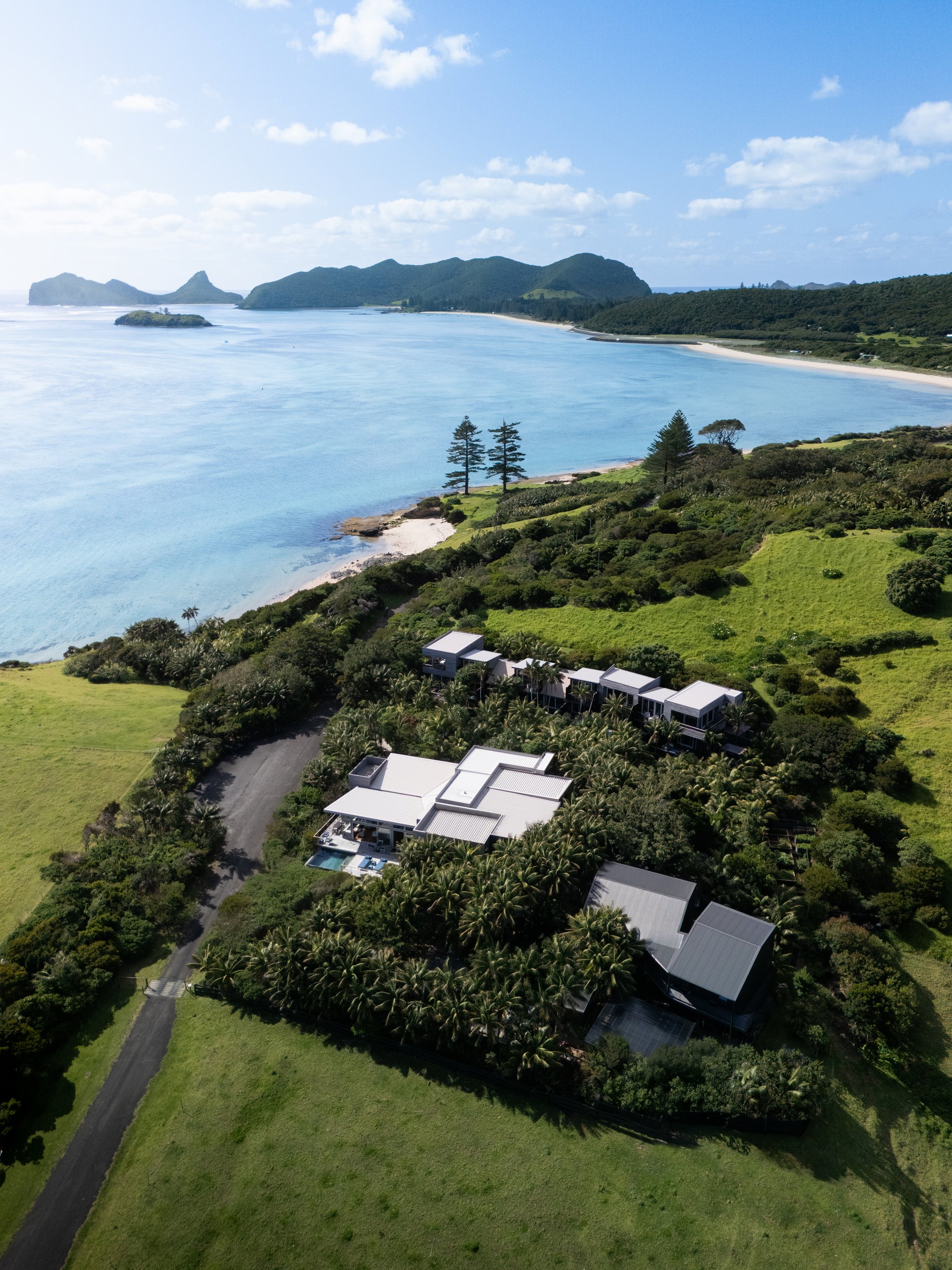
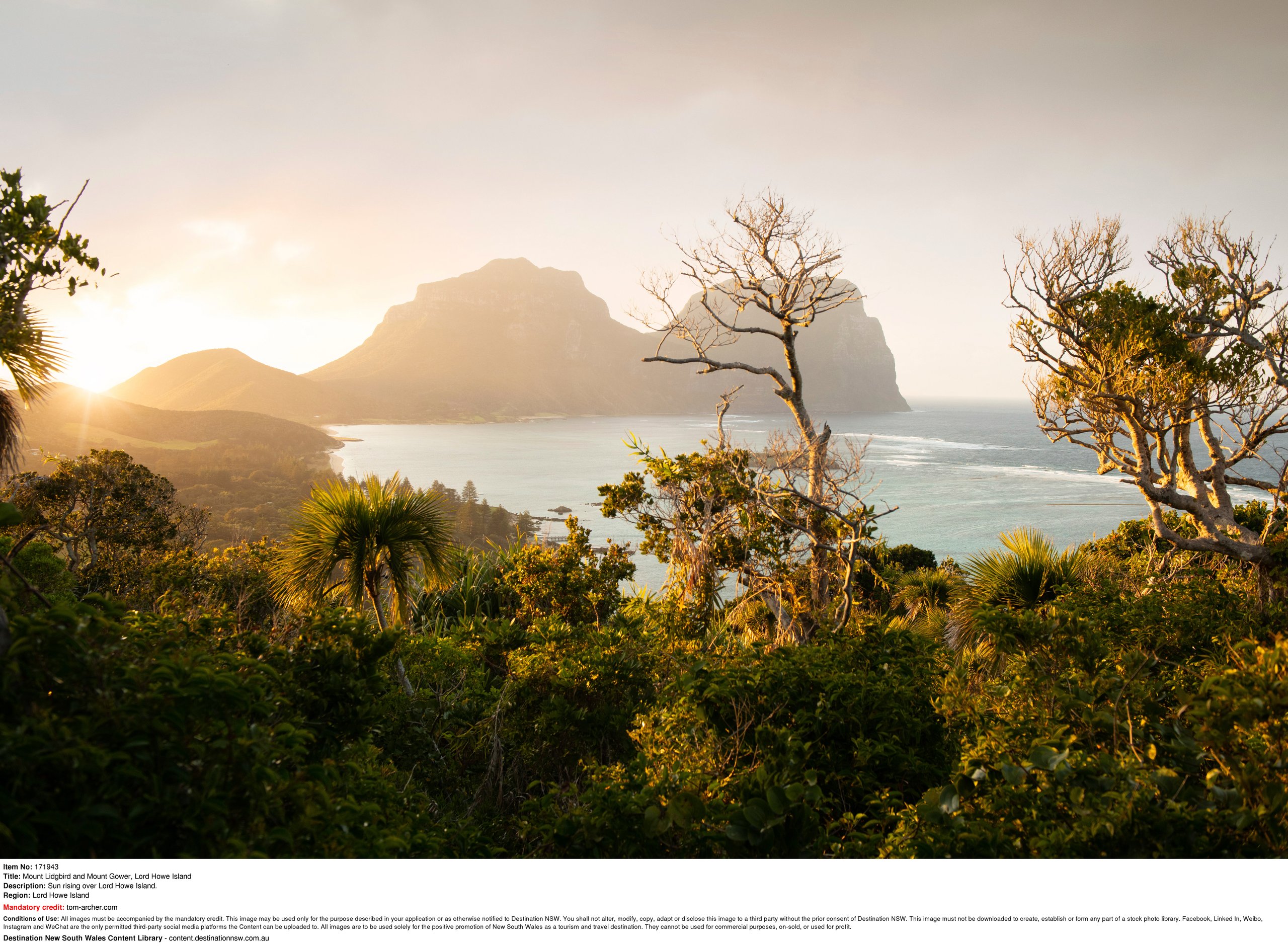
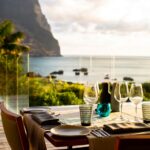
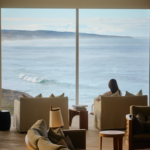
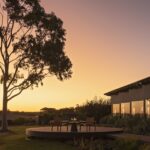
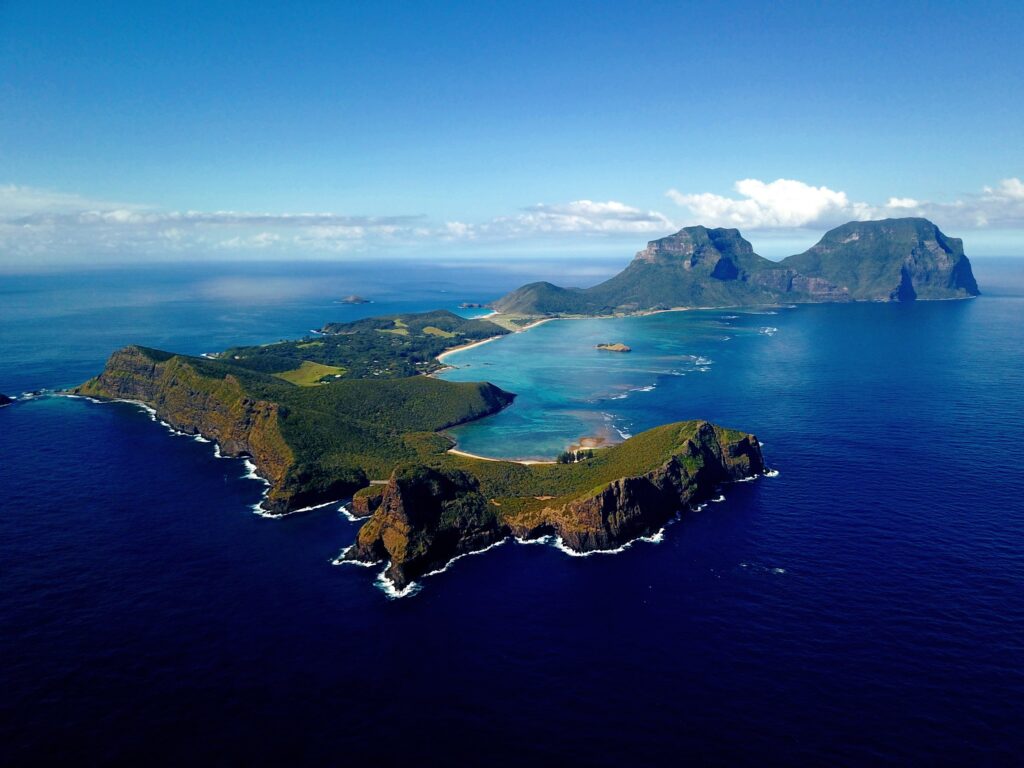
Just 11 kilometres long, Lord Howe Island feels wonderfully removed from the world, with few cars, no crowds, and much of the landscape protected. At its secluded southern end, Capella Lodge sits beneath Mounts Gower and Lidgbird, perfectly placed for exploring from coast to summit.
Lord Howe Island measures just 11 kilometres from end to end and 2.8 kilometres at its widest point.
Around 75% of the island is protected as permanent national and marine park.
Only 400 visitors are permitted on Lord Howe Island at any one time, helping preserve its uncrowded character.
Lord Howe Island was added to the UNESCO World Heritage List in 1982 for its exceptional natural beauty and biodiversity.
For such a small island, Lord Howe holds an astonishing variety of landscapes, with something new around every bend.
Out in the Tasman Sea, Lord Howe packs mountains, beaches, forests, and reef into an island easily explored at your own pace.
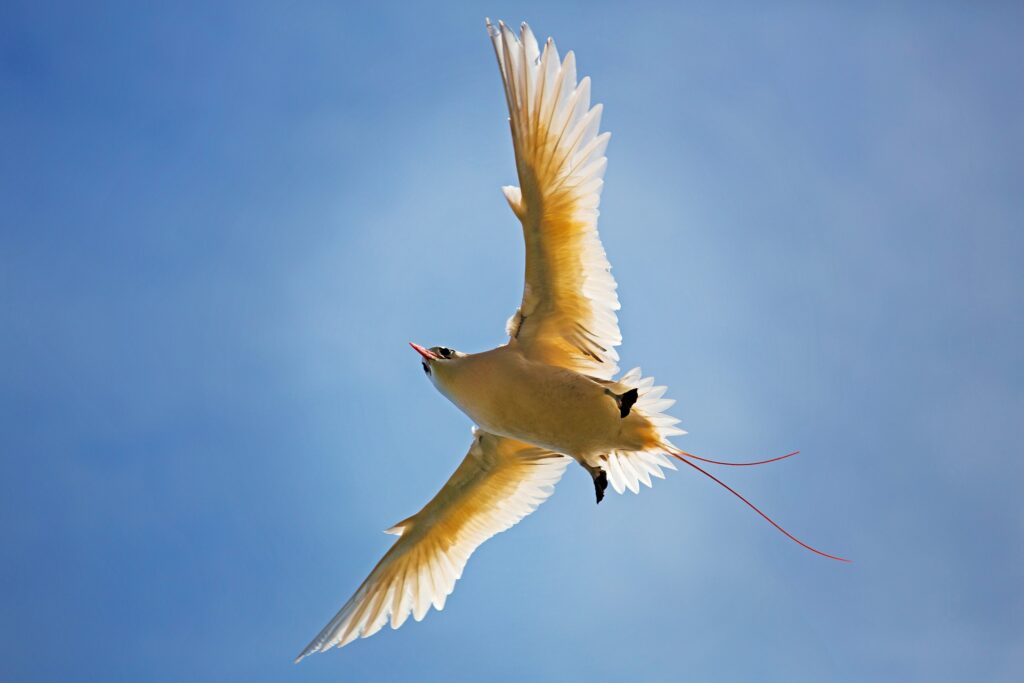
Much of Lord Howe is protected, preserving an unusual concentration of landscapes, habitats, and endemic species.
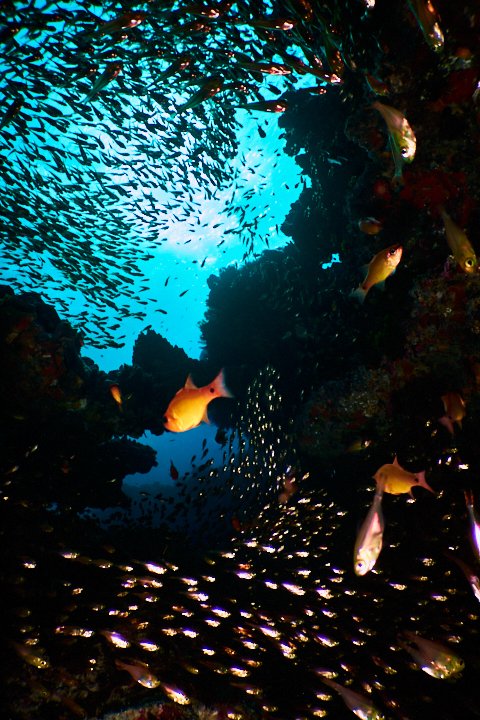
The world’s southernmost coral reef brings colourful marine life remarkably close to shore.
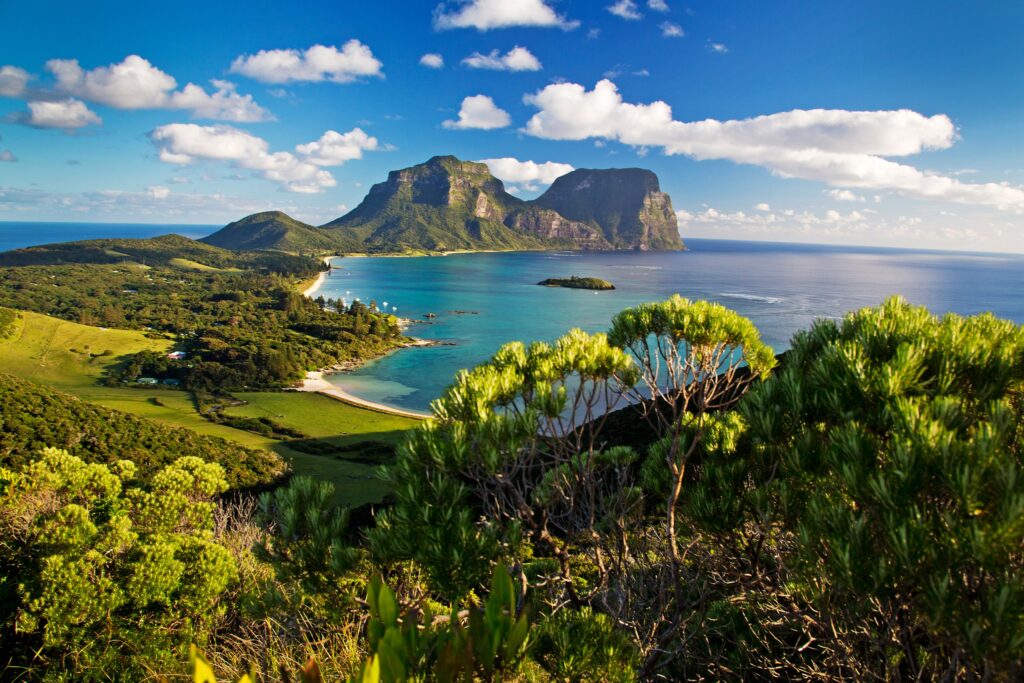
Centuries of isolation have given rise to plants and animals found nowhere else on Earth.
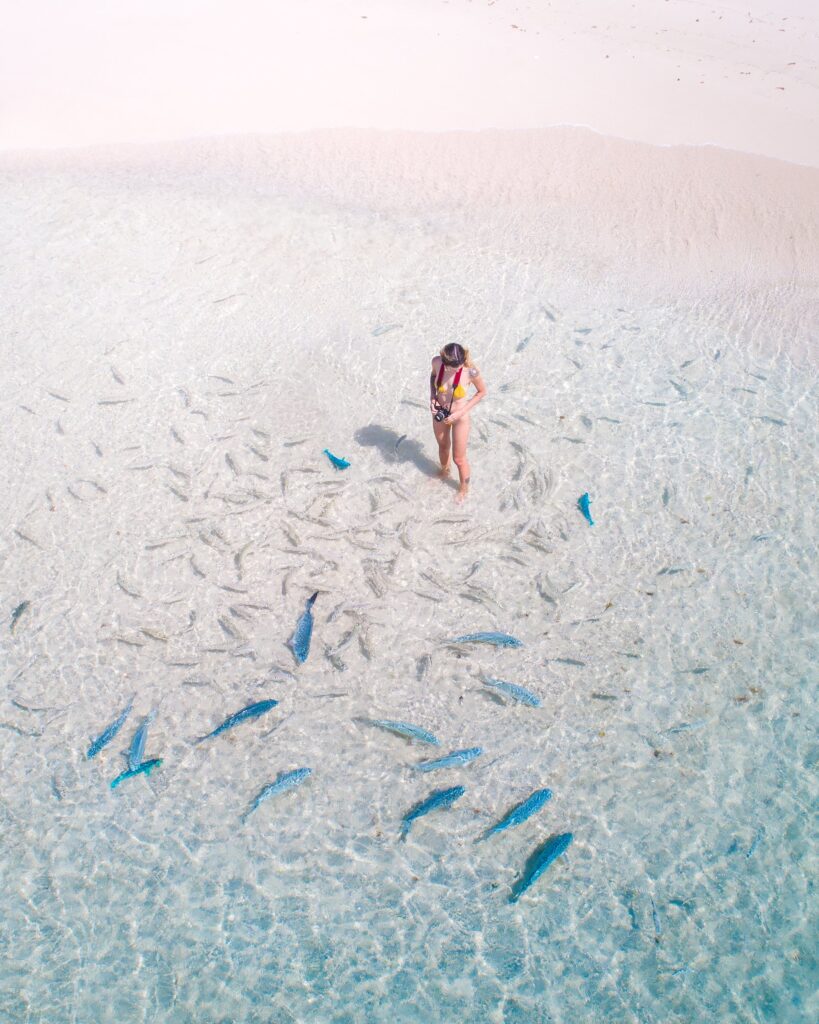
Clear shallows reveal coral gardens, tidal pools, grazing turtles, and marine life just offshore.
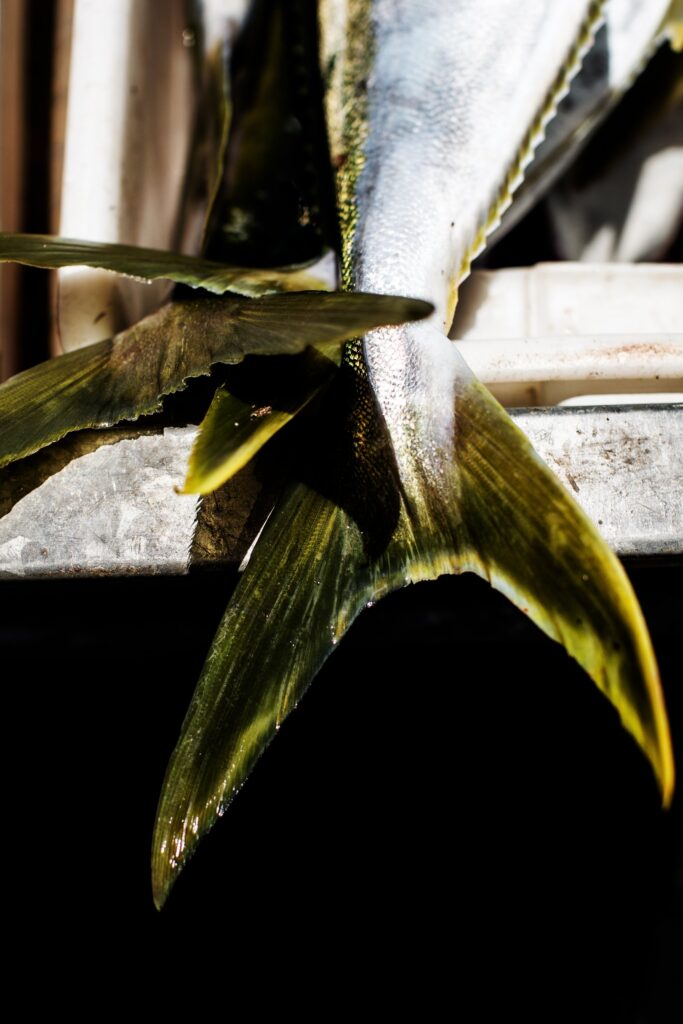
Line-caught seafood, island-grown fruit, and heirloom vegetables bring a distinctly local flavour to the table.
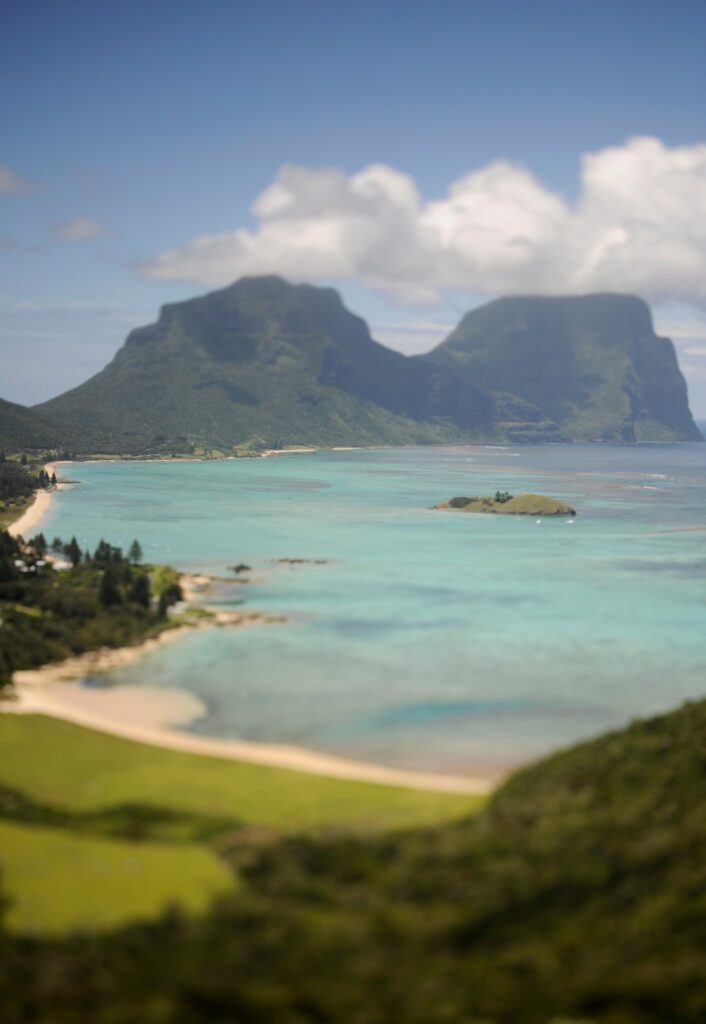
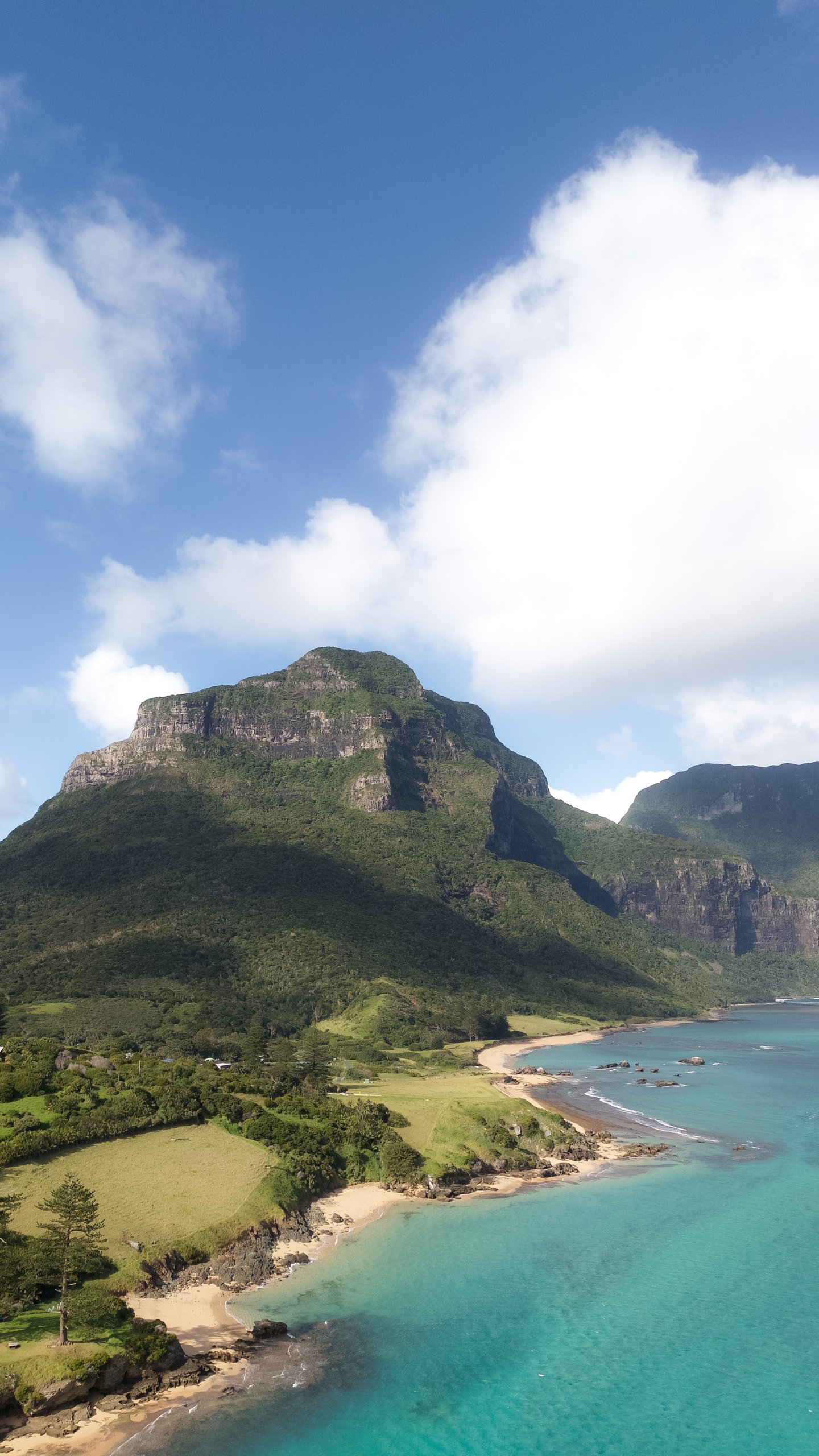
Mounts Gower and Lidgbird rise dramatically from the island’s southern end, creating Lord Howe’s unmistakable silhouette.
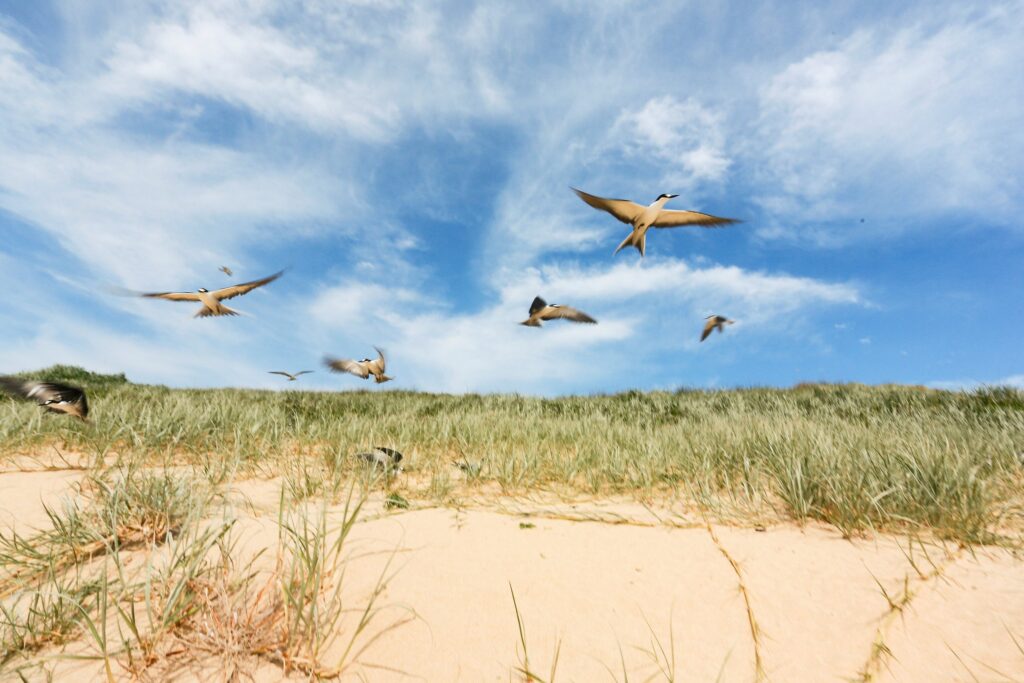
Seabirds arrive by the thousands, while rare and endemic species make the island a remarkable place for birdwatching.
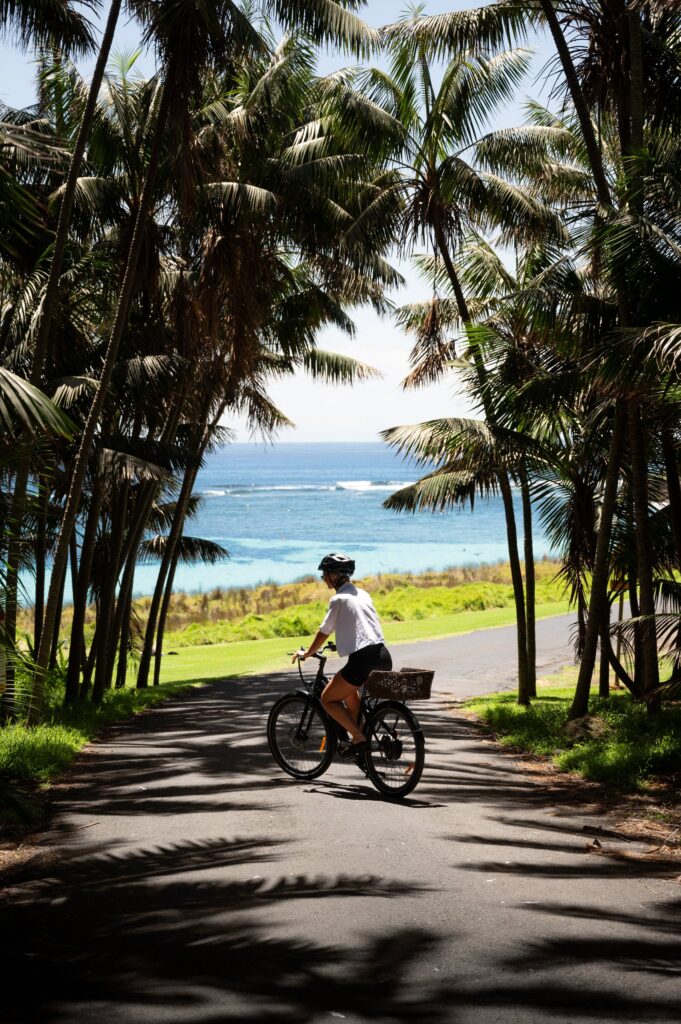
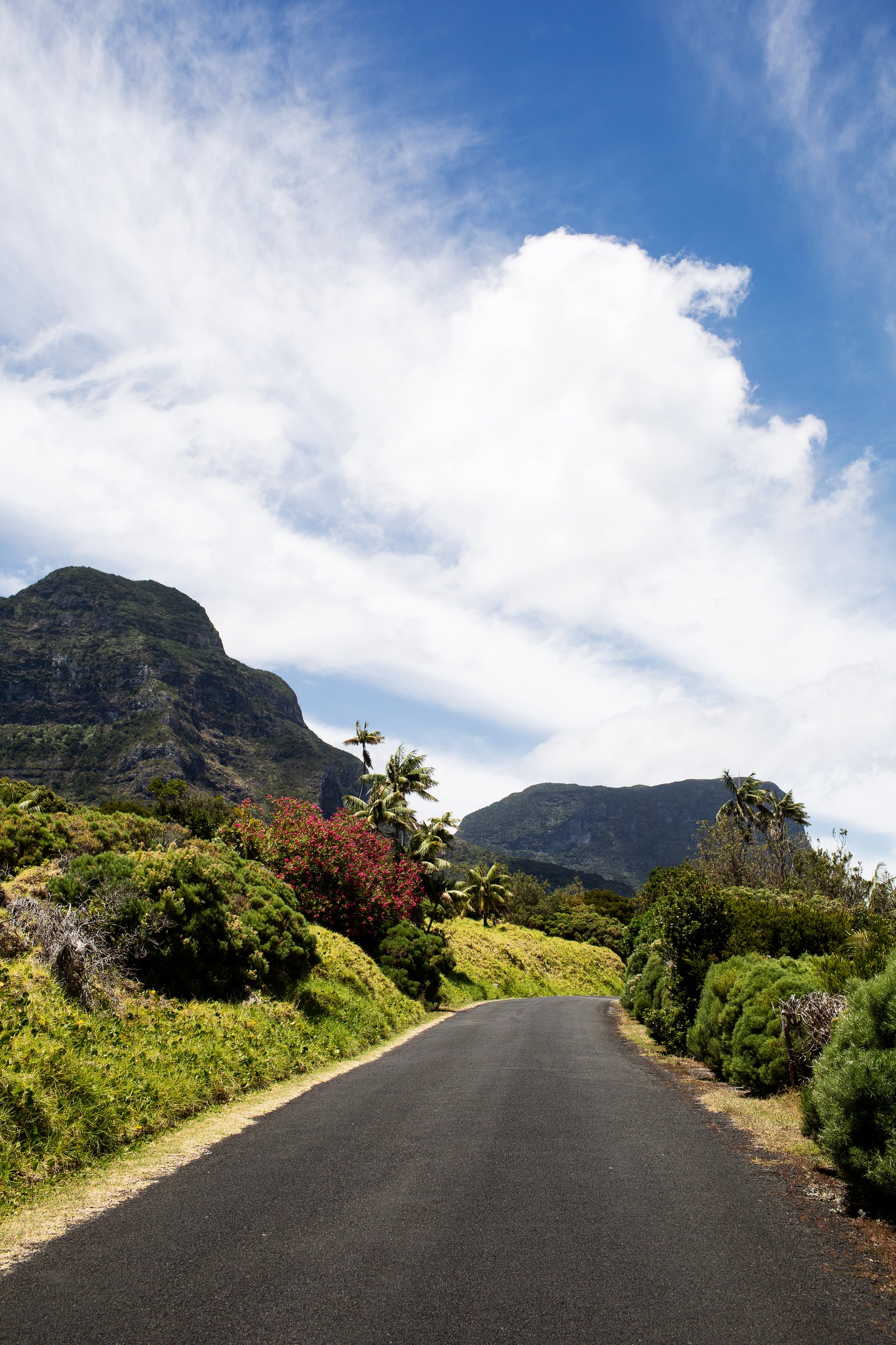
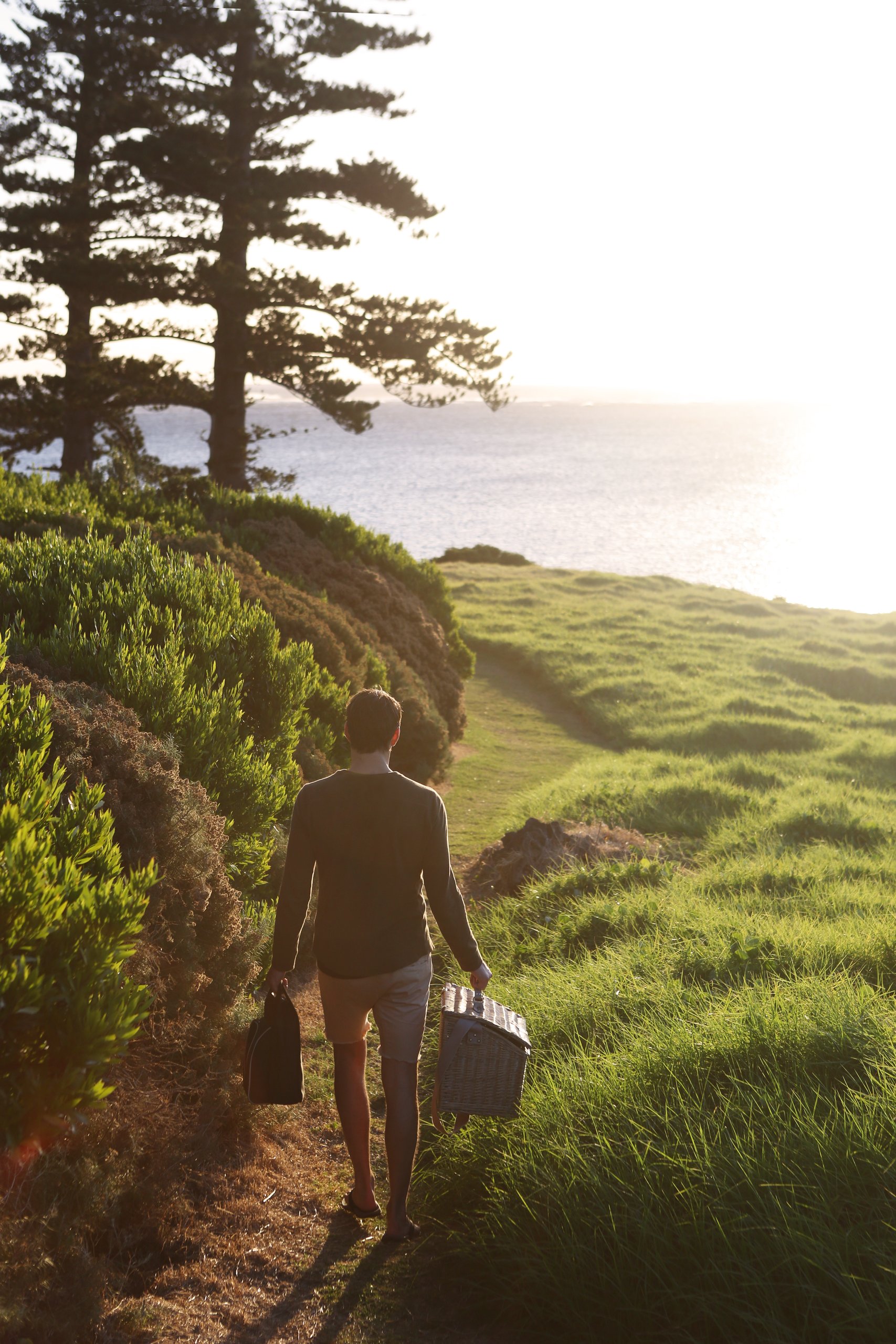
With few cars and no need to rush, bicycles and walking trails make getting around part of the pleasure.
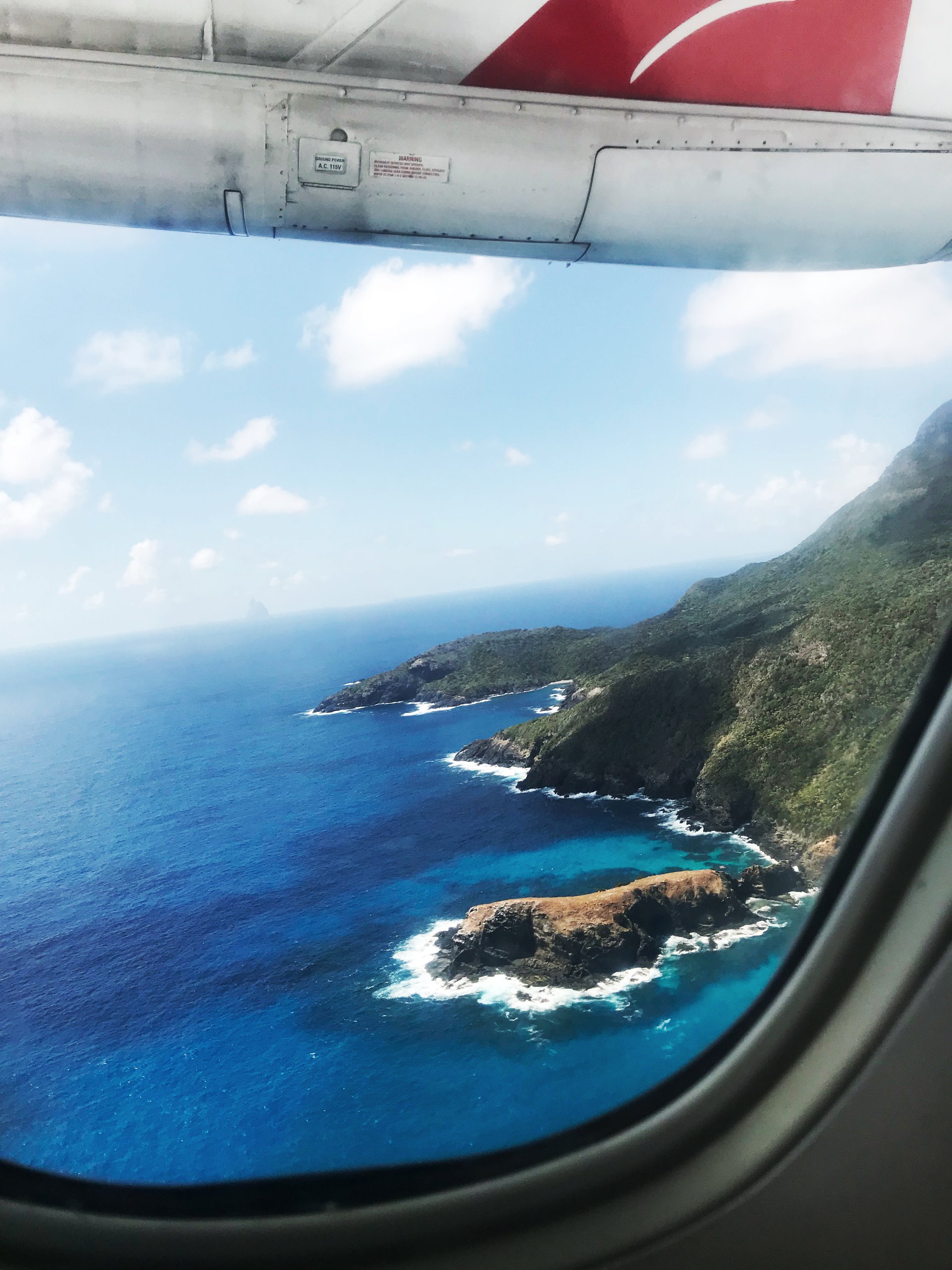
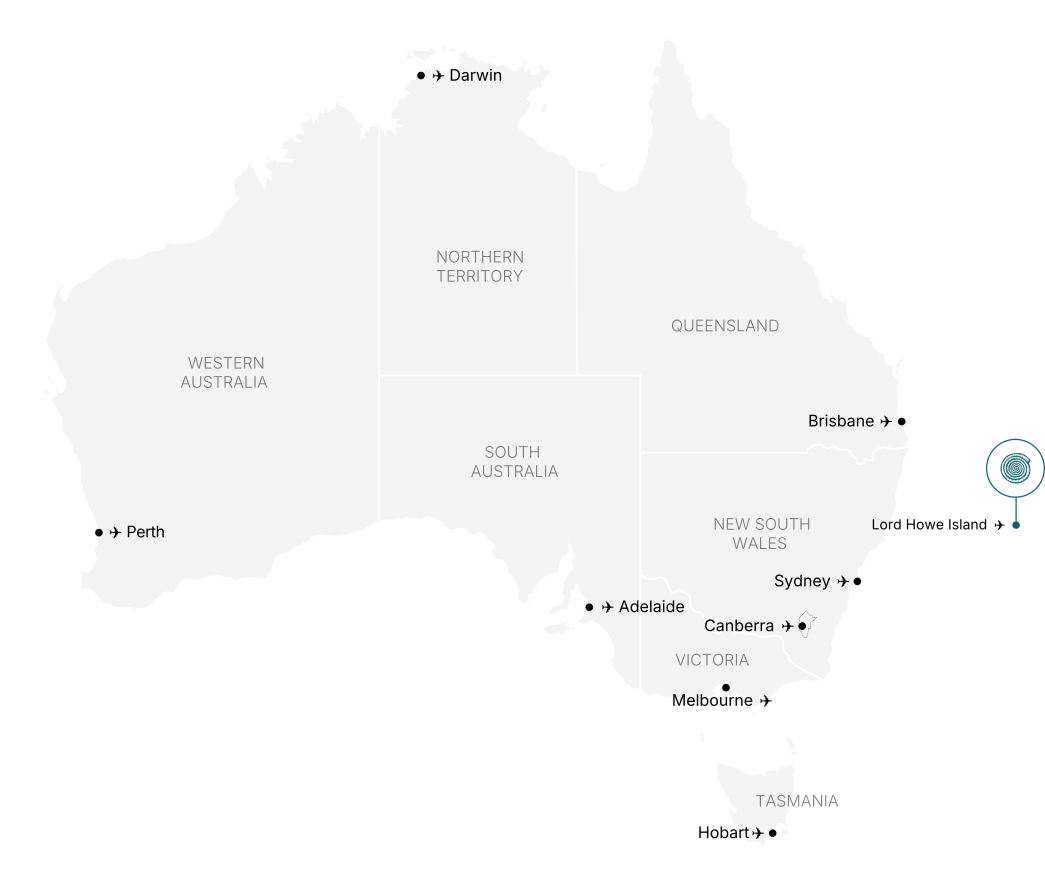
Lord Howe Island sits in the Tasman Sea, about 780 kilometres northeast of Sydney. The island is reached by air, with daily two-hour Skytrans flights from Sydney operating in partnership with Qantas, as well as scheduled services from select regional airports.
Skytrans Australia operates daily flights from Sydney, with a flight time of about two hours and services also sold through Qantas. Eastern Air Services connects the island with Port Macquarie, Newcastle, and the Gold Coast.
On Skytrans flights, checked baggage is limited to one main item up to 14kg per person, plus an additional item up to 9kg and up to 7kg of carry-on baggage. The additional checked item and excess baggage are subject to operational restrictions and cannot be guaranteed to travel on the same flight. Guests connecting through Sydney who wish to through-check baggage must book all flights with Qantas on the same ticket.
Private charters can be arranged between Sydney’s Bankstown Airport and Lord Howe Island through Capella Lodge’s aviation partner, Navair Jet Services.
The Capella Lodge team will meet you at Lord Howe Island Airport for the complimentary transfer to the lodge, with return transfers provided for your departing flight.
SEASONALITY
Summer brings warm days made for swimming, snorkelling, and time on the water. Autumn stays mild as the island settles into a quieter rhythm, while winter brings cooler days ideal for walking and exploring. By spring, warmer weather returns and the island begins its shift back toward swimming season.
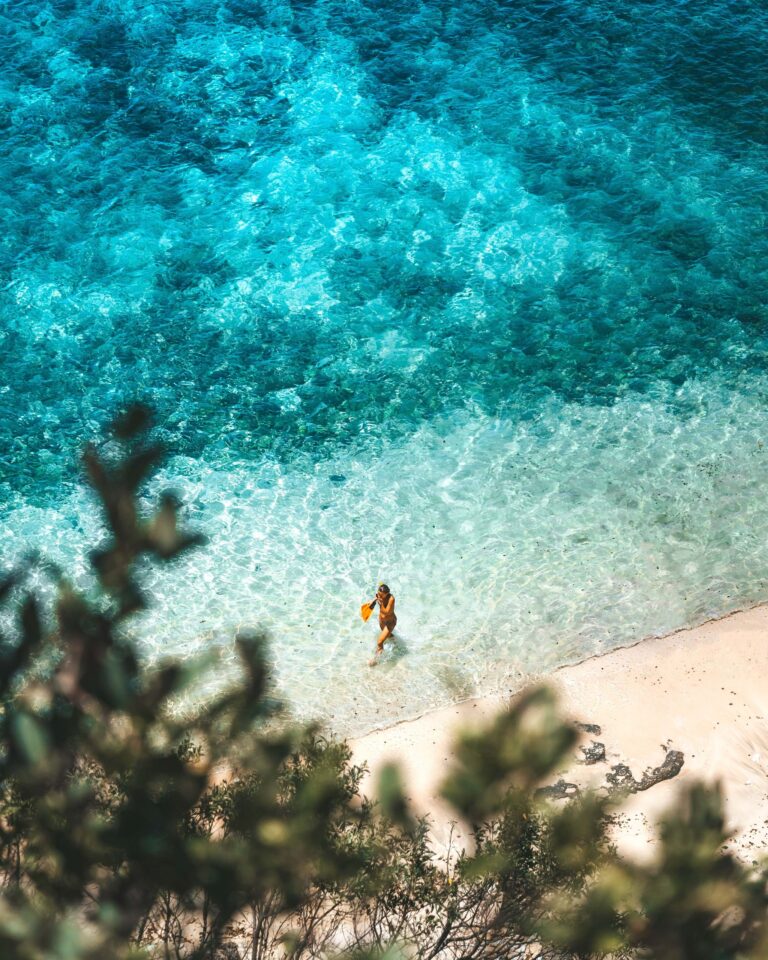
Warm days invite swimming and snorkelling, while sea breezes keep the island comfortable well into the afternoon.
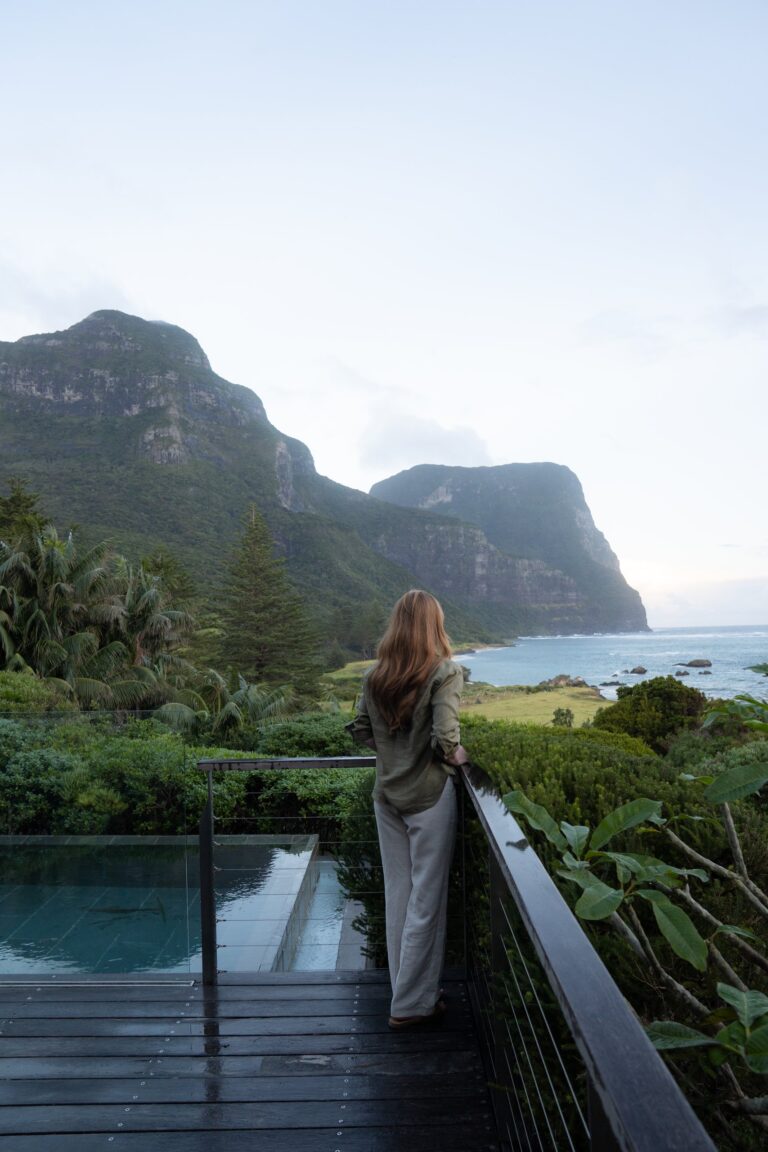
Mild days and warm water continue as Providence petrels return, bringing a new rhythm to the island’s birdlife.
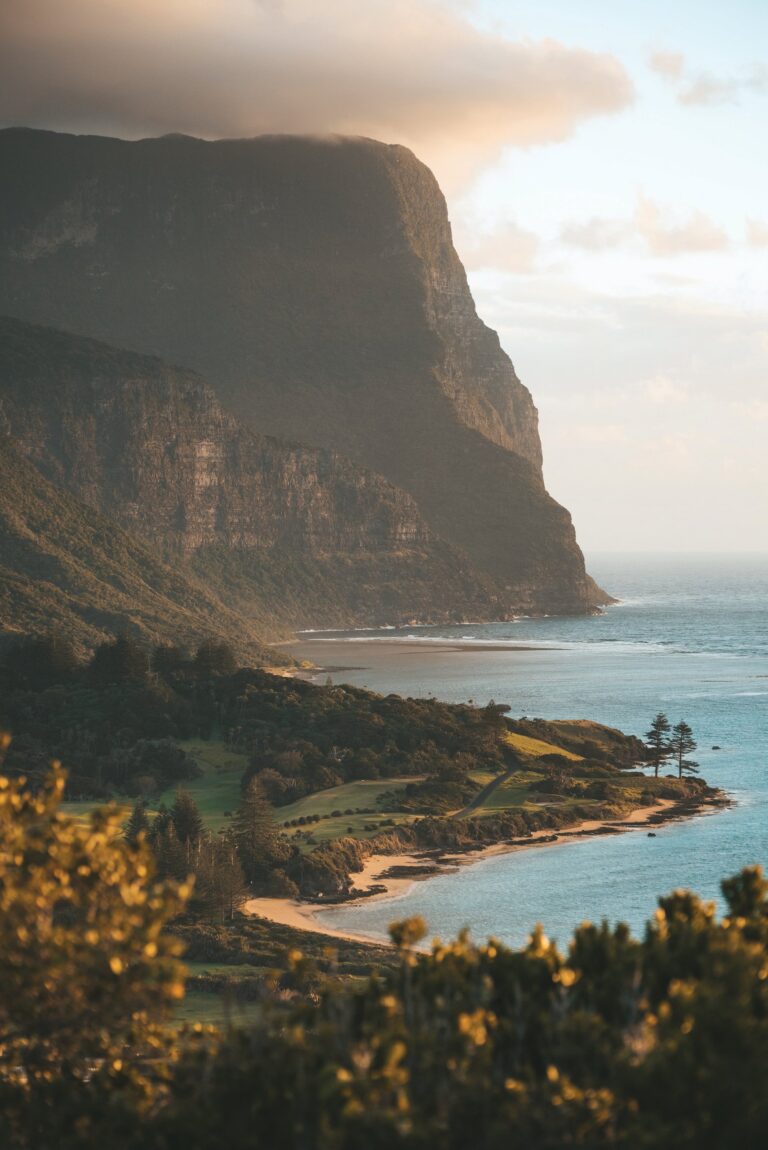
Cooler days are made for long walks through palm forests and across basalt ridges, with clear views of island and sea.
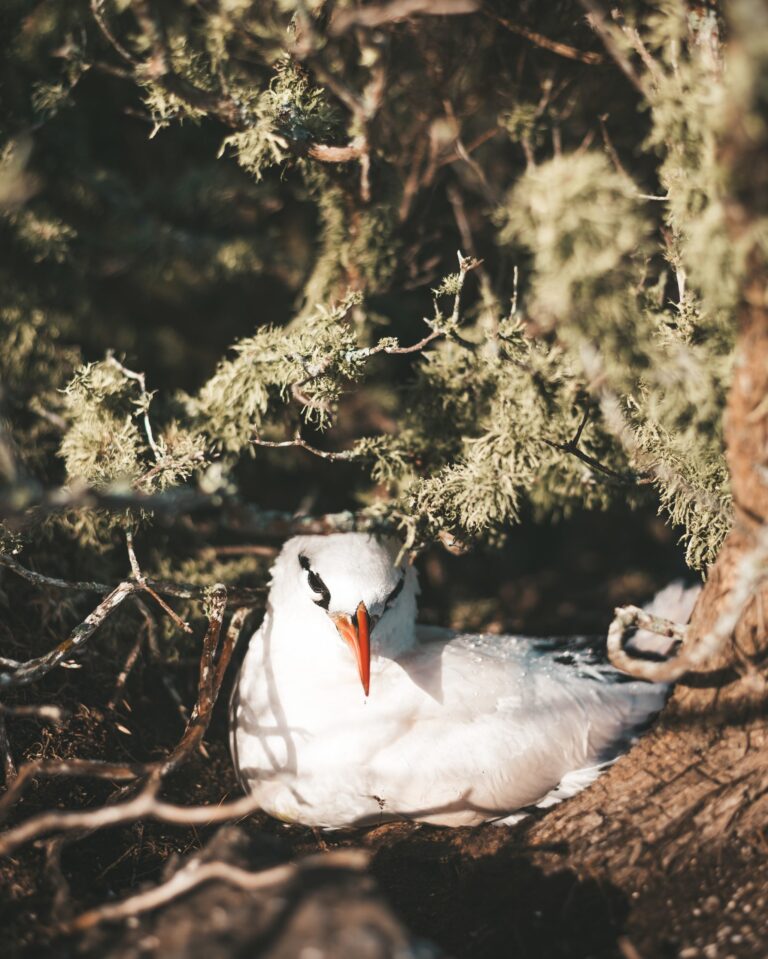
Nesting season brings birdlife into focus as warmer days return and the island shifts toward summer.
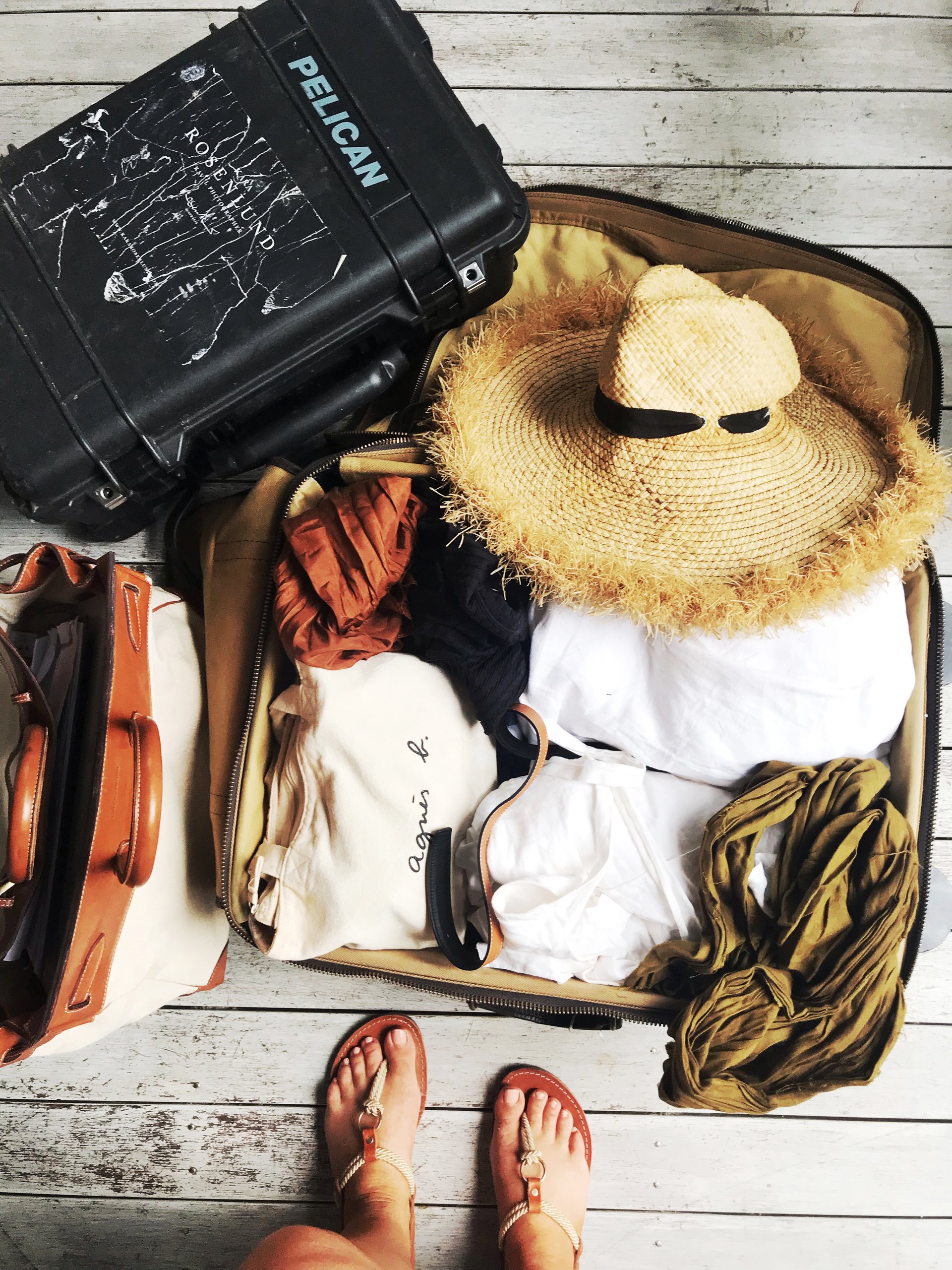
Pack comfortable walking shoes, a warm layer, and a rain jacket for exploring the island year-round. A hat and sunscreen are essentials, and smart-casual clothing is all you’ll need back at the lodge. There will be backpacks, water bottles, snorkelling gear, and walking poles available for guest use.
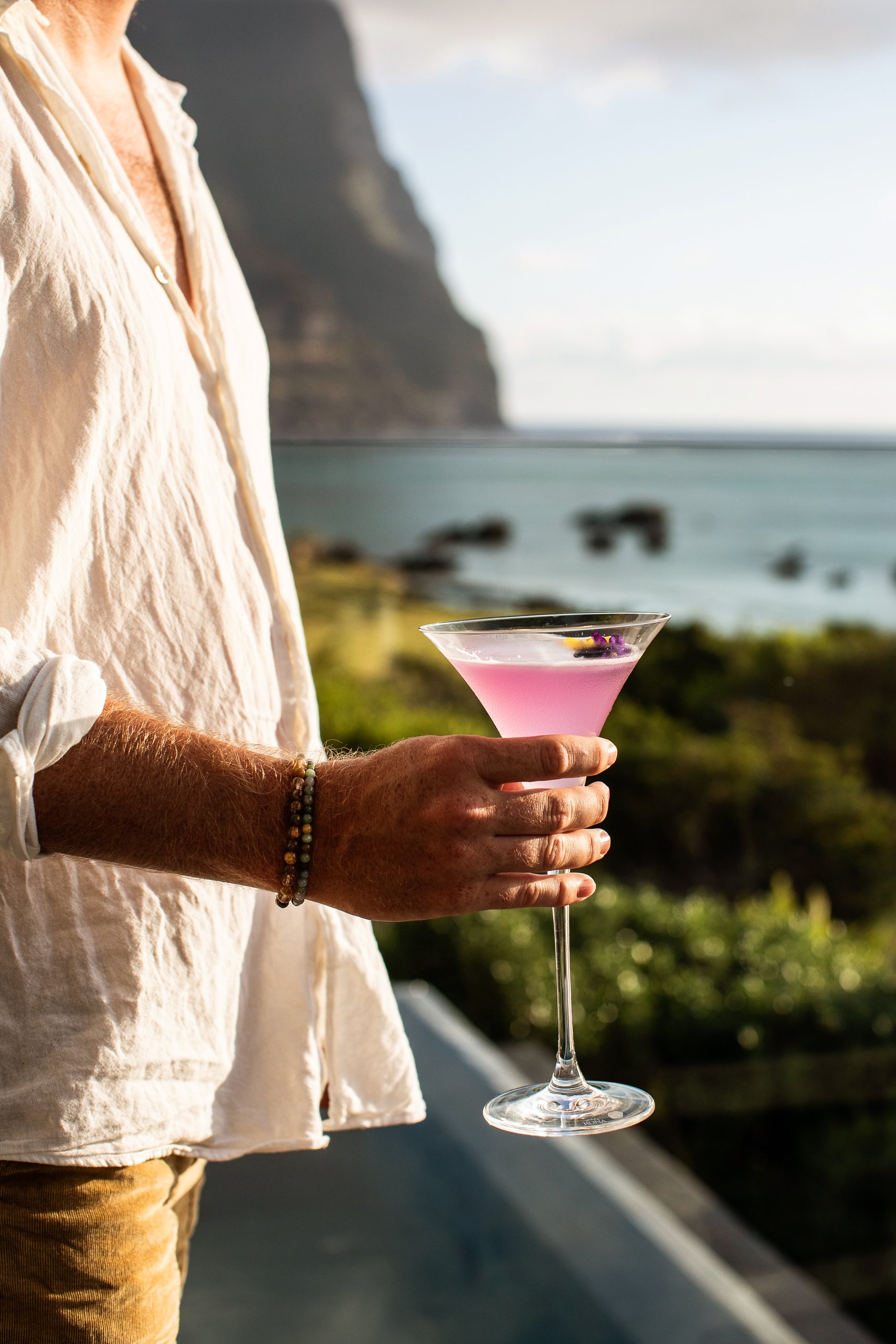
Your stay includes breakfast, selected nonalcoholic beverages, sunset drinks and canapés, dinner with a daily-changing menu, an open bar from 6 pm, and a selected in-suite bar.
Daily laundry service is available for an additional charge. Dry cleaning is not available on Lord Howe Island.
Wi-Fi is available at the lodge, but there is no mobile service on Lord Howe Island, making it an especially easy place to switch off.
Some island experiences operate seasonally or on limited days and are weather dependent. The Mount Gower hike and fishing trips are particularly worth booking in advance.
For peace of mind, we recommend you protect yourself with comprehensive travel insurance to cover any cancellation fees. No refunds or credits can be given in the event of non-arrival, any unused services or unused nights due to travel and/or weather disruption.
Complimentary adult mountain bikes are available to explore the island at leisure. E-bikes may also be hired at the lodge, subject to availability and at an additional charge, and an electric buggy is available to hire with bookings managed on-property.
Still have questions? Our specialists can help with the details before your stay.
Get in TouchThe local currency is the Australian Dollar (AUD).
Lord Howe Island follows Lord Howe Standard Time (LHST), UTC+10:30, with daylight saving observed seasonally.
English is the primary language spoken on Lord Howe Island.
Lord Howe Island was inscribed on the UNESCO World Heritage List in 1982 for its exceptional natural beauty, biodiversity, and rare endemic species.
Lord Howe is home to hundreds of rare and endemic species, with especially rich birdlife and marine life. Its forests, beaches, reefs, and surrounding waters each offer something different to look for.
Several nights gives you time to explore the beaches, reef, walking trails, and island landscapes without rushing. Allowing extra time also gives you more flexibility for the Mount Gower hike, fishing, and weather-dependent adventures.
Yes. Capella Lodge welcomes children ages 10 and older, with swimming, snorkelling, walking, wildlife encounters, and plenty of ways to explore the island together.