






Soaring Heights
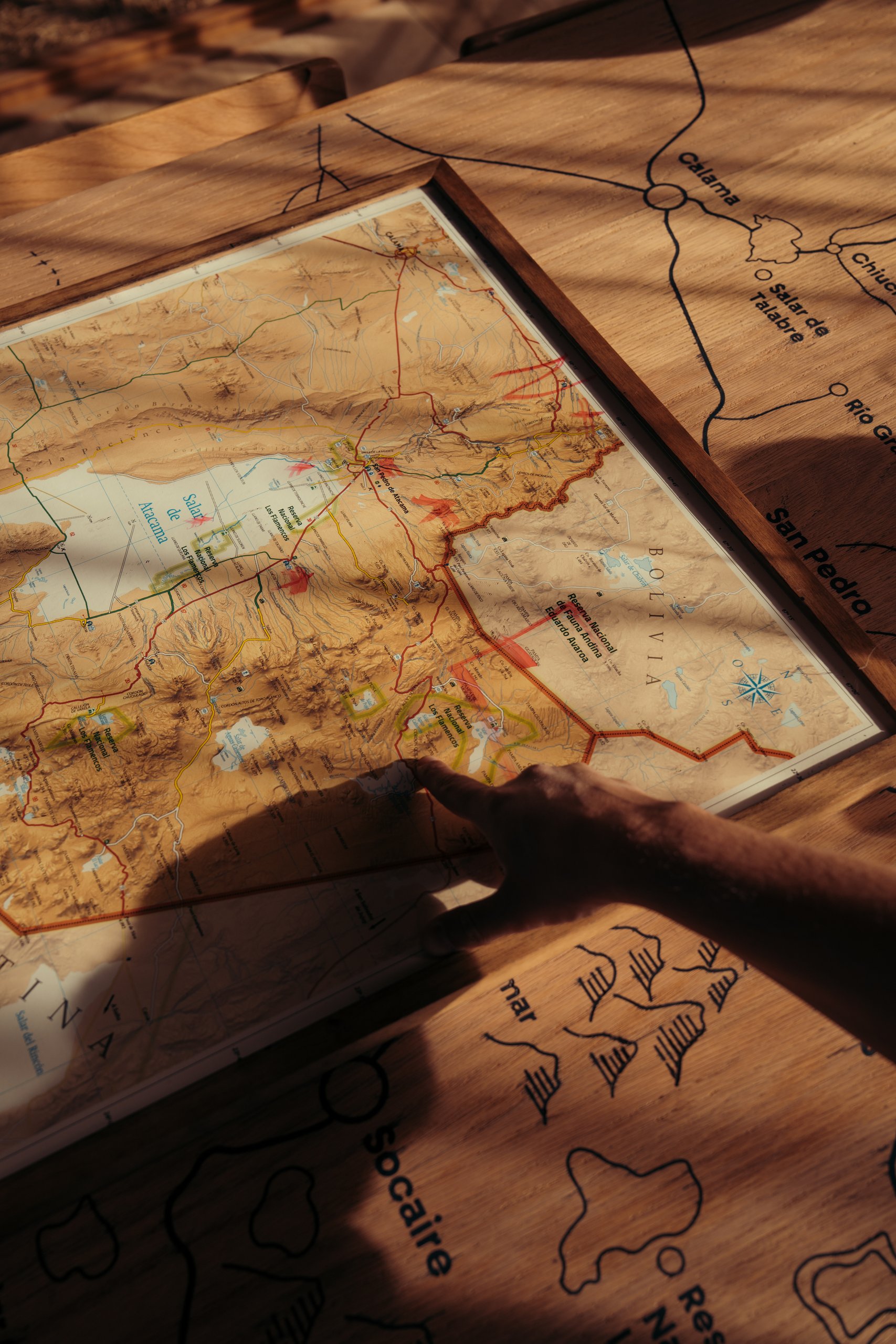
At 2,407 meters above sea level, San Pedro sits on a high desert plateau with the Andes rising dramatically to the east.
AN OTHERWORLDLY ALTIPLANO
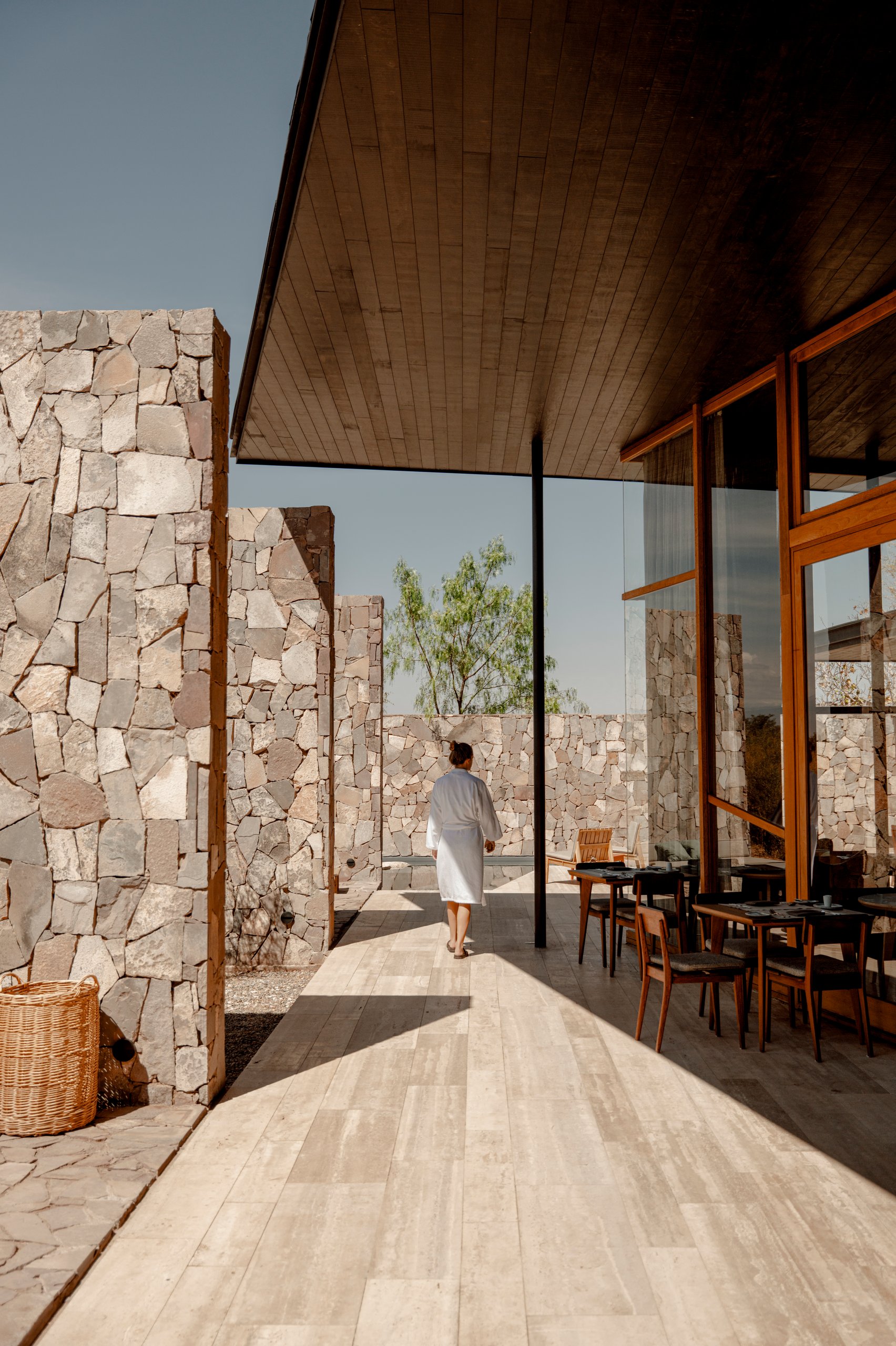
High in northern Chile, the Atacama unfolds in extremes, from wind-carved canyons and steaming geysers to glassy lagoons and vast salt flats. On the edge of San Pedro de Atacama, Tierra Atacama sits within this dramatic landscape, with centuries of desert culture woven through it.
The Atacama Desert stretches across nearly 80,000 square kilometers of northern Chile.
Human history in the Atacama reaches back some 10,000 years, with generations adapting to life in the high desert.
Cardones, the giant cacti of the Atacama, can grow up to nine meters tall.
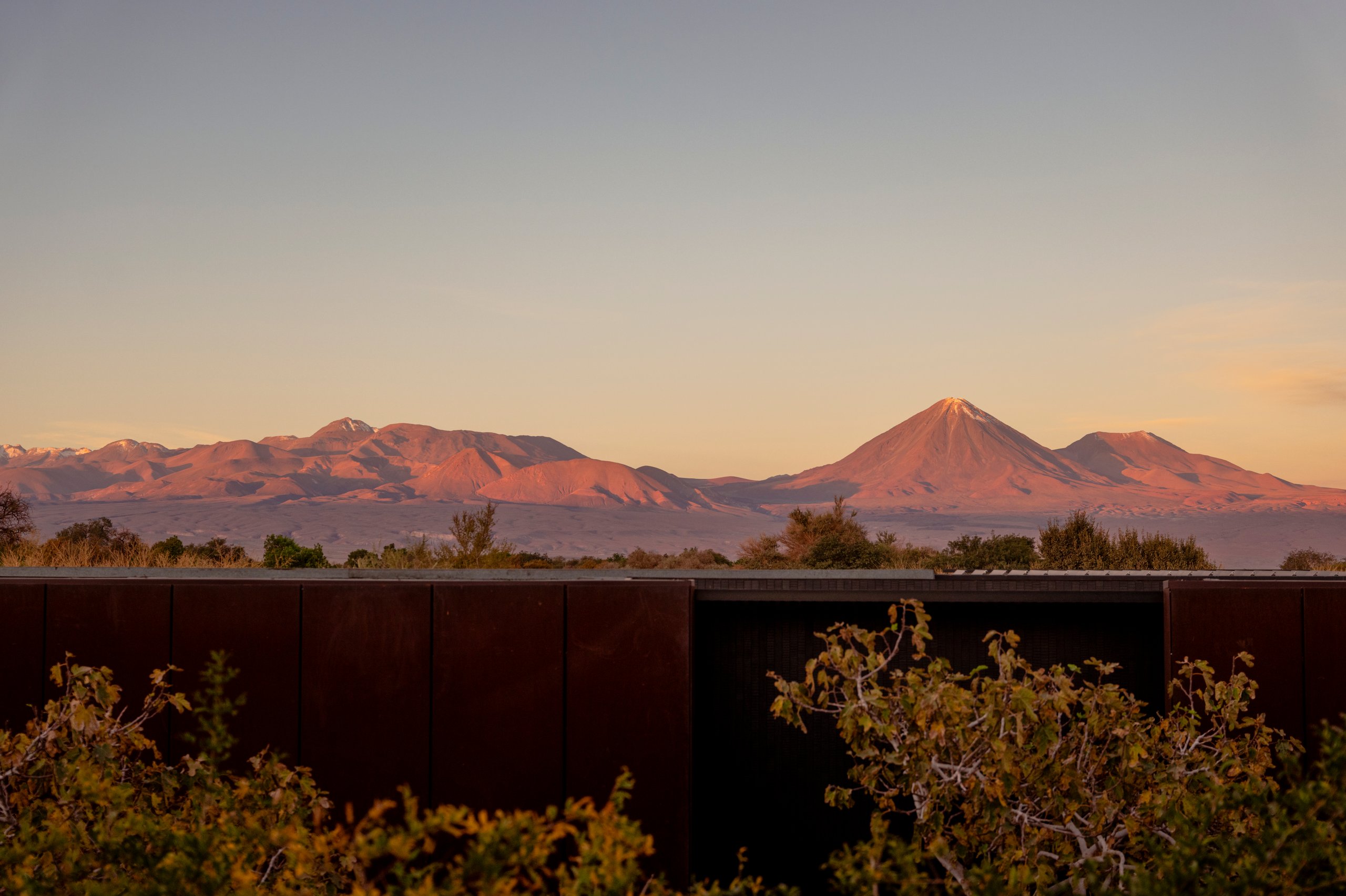
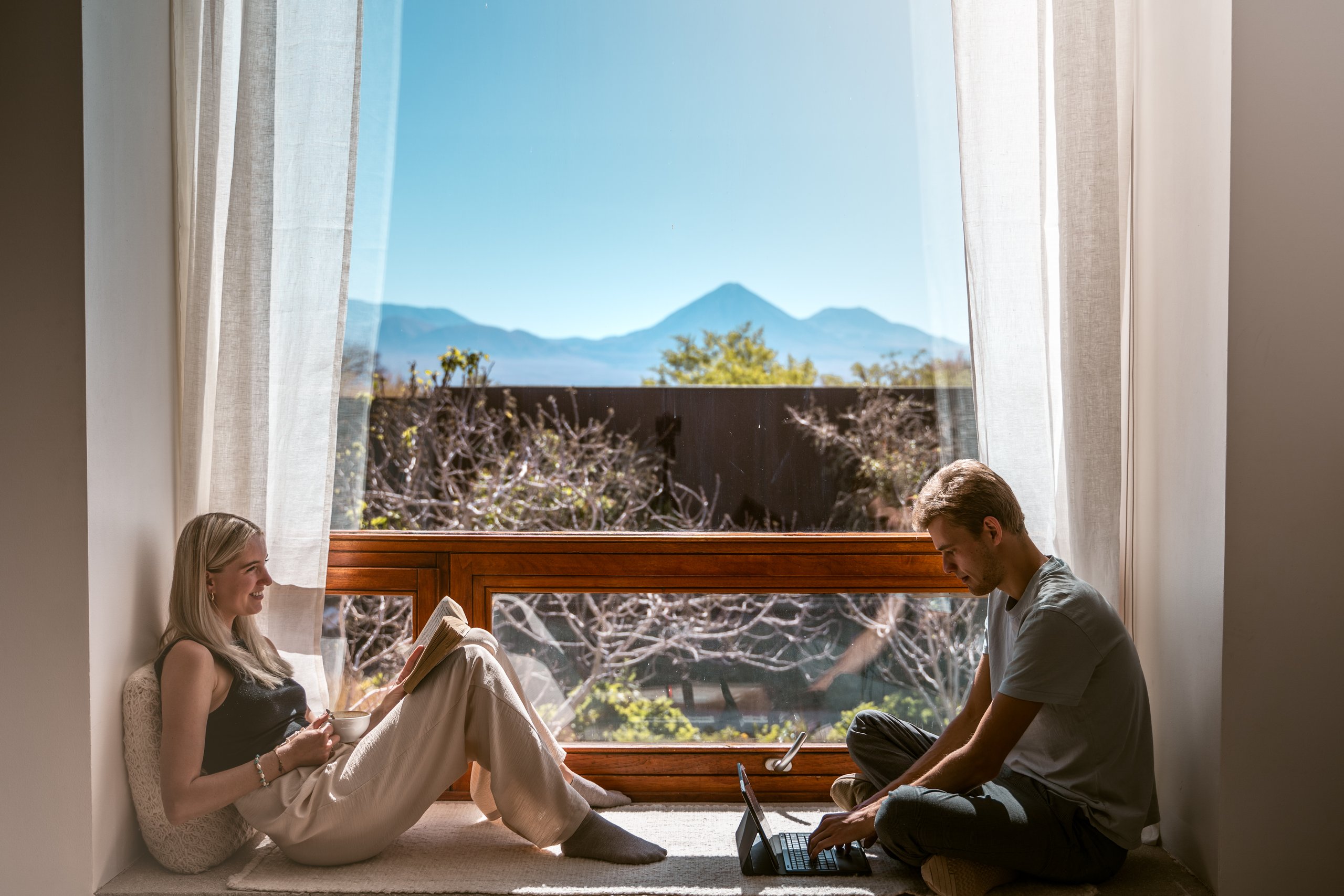
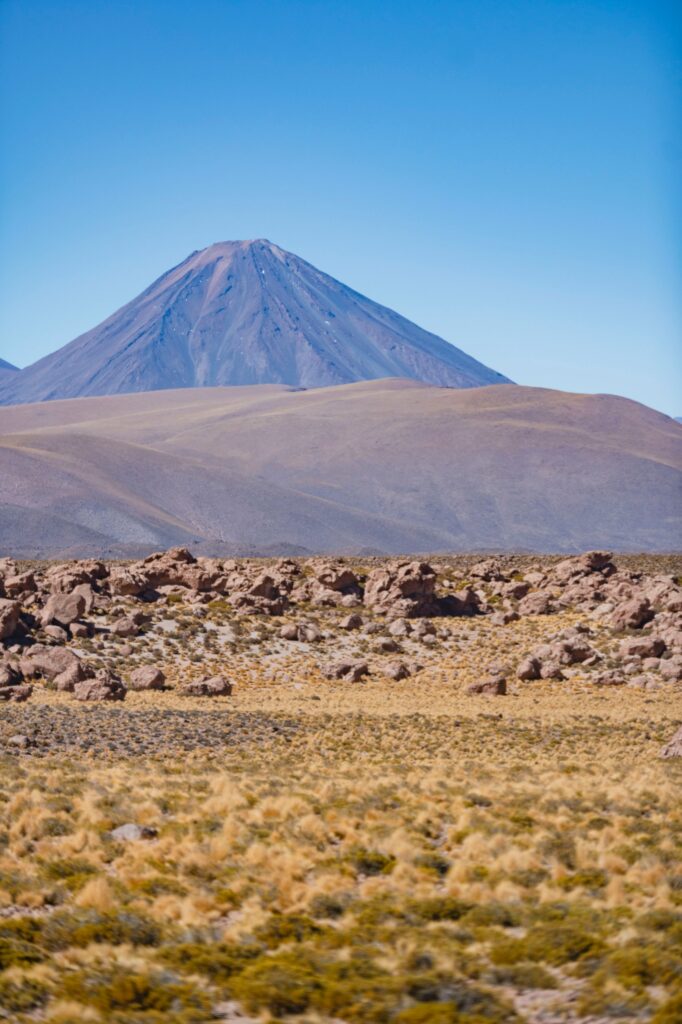
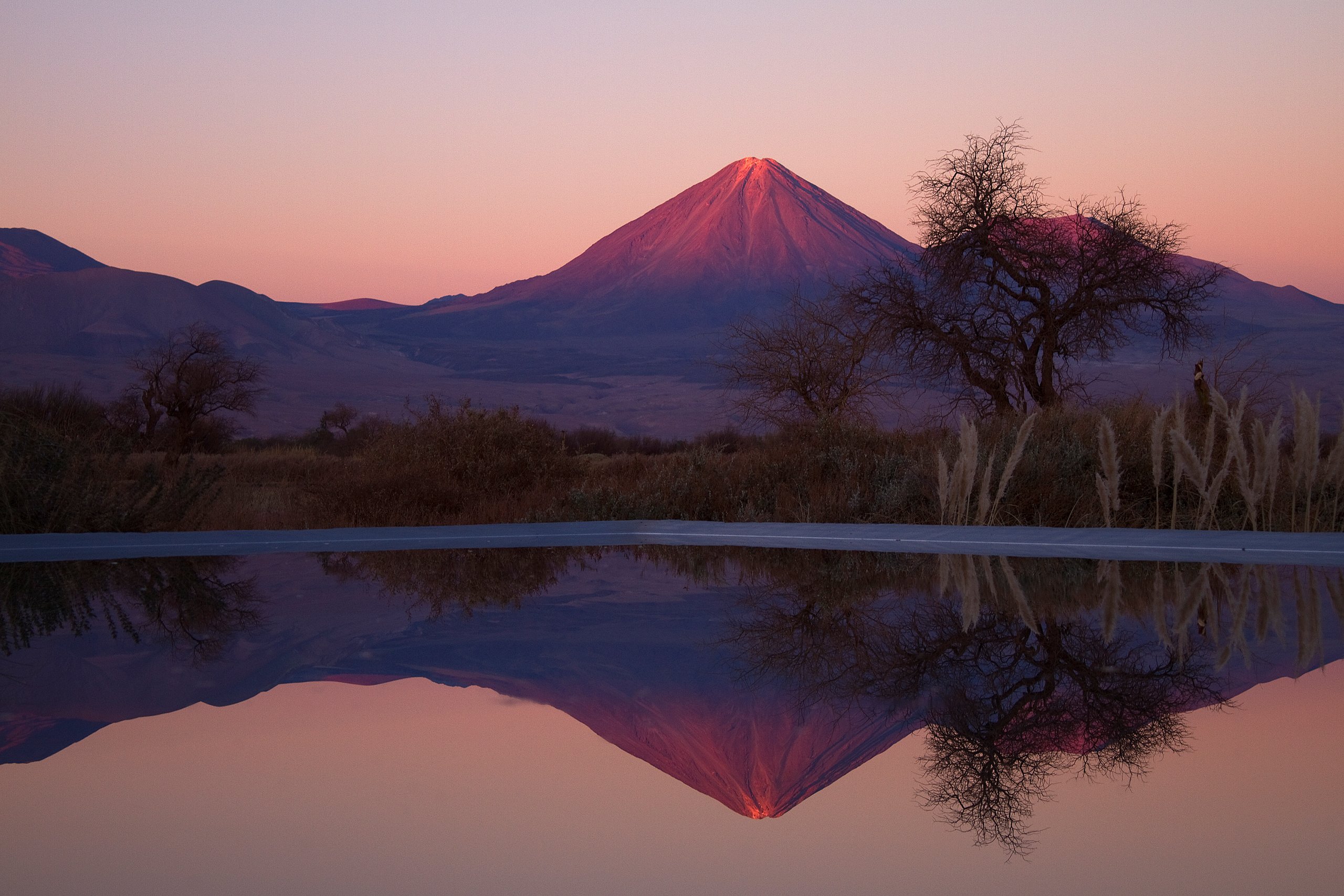
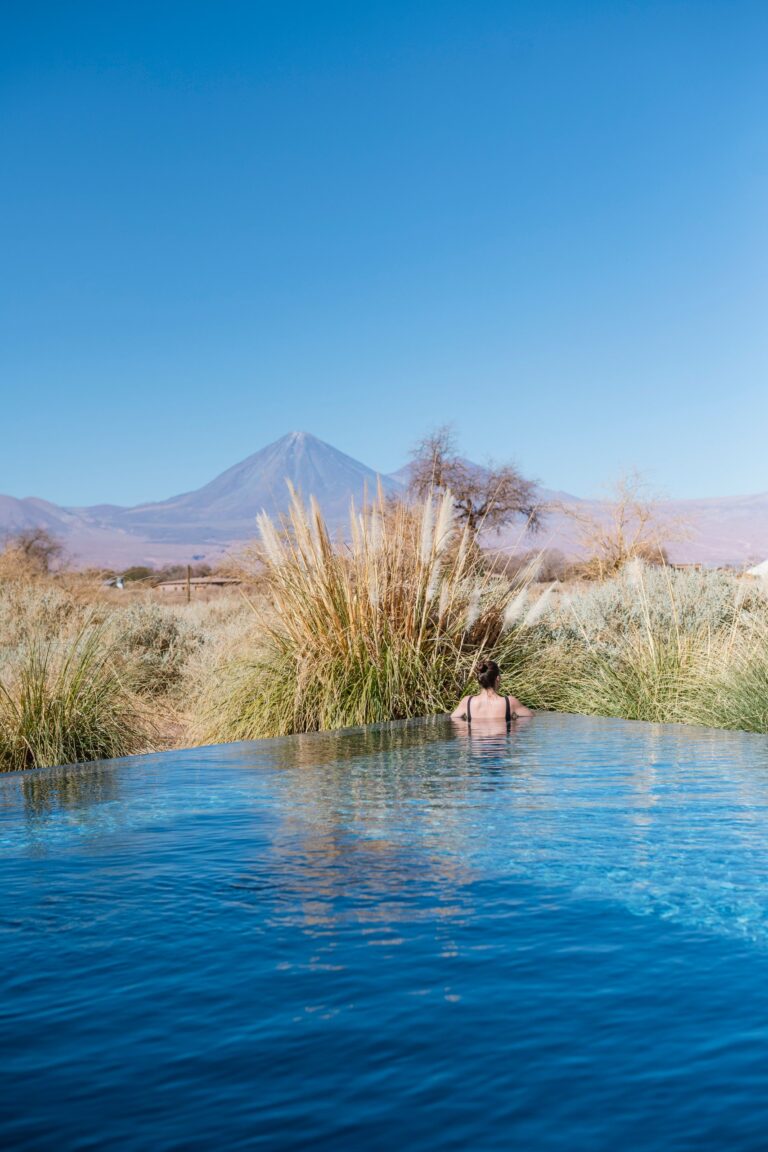
Licancabur Volcano rises 5,919 meters above sea level, forming one of the Atacama’s most recognizable peaks.
Look beyond the vast desert horizon and a landscape of salt flats, volcanoes, lagoons, wildlife, and ancient culture comes into view.
At 2,407 meters above sea level, San Pedro sits on a high desert plateau with the Andes rising dramatically to the east.
Dunes, salt flats, canyons, geothermal fields, and turquoise lagoons reveal a landscape that rarely looks the same twice.
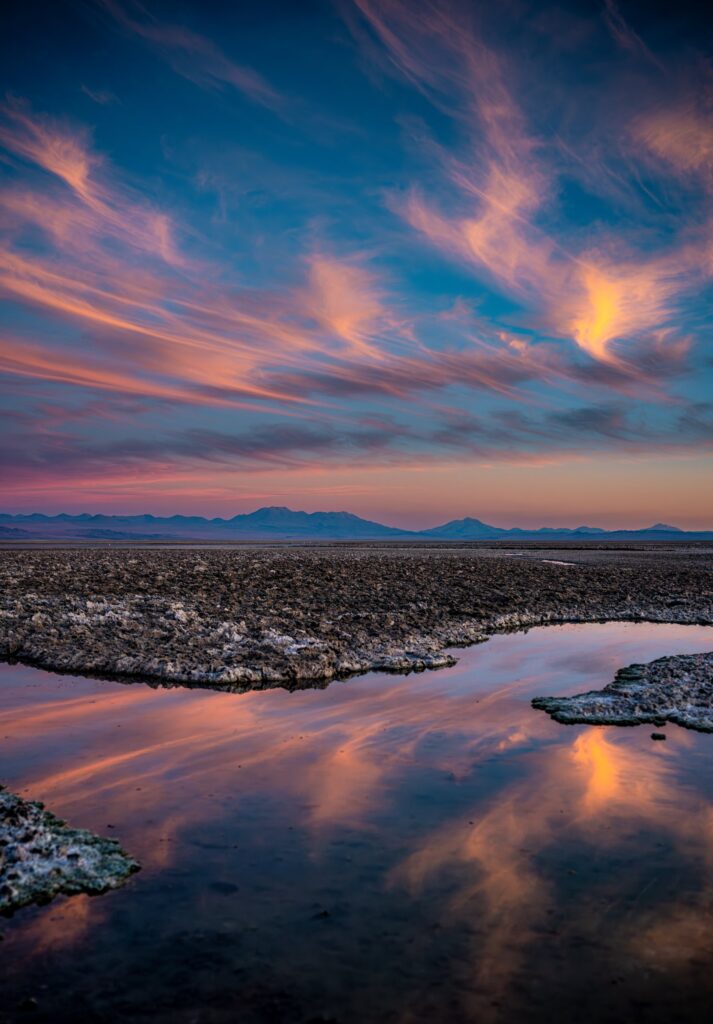
Sunrise and sunset transform the desert, while exceptionally clear nights reveal a sky crowded with stars.
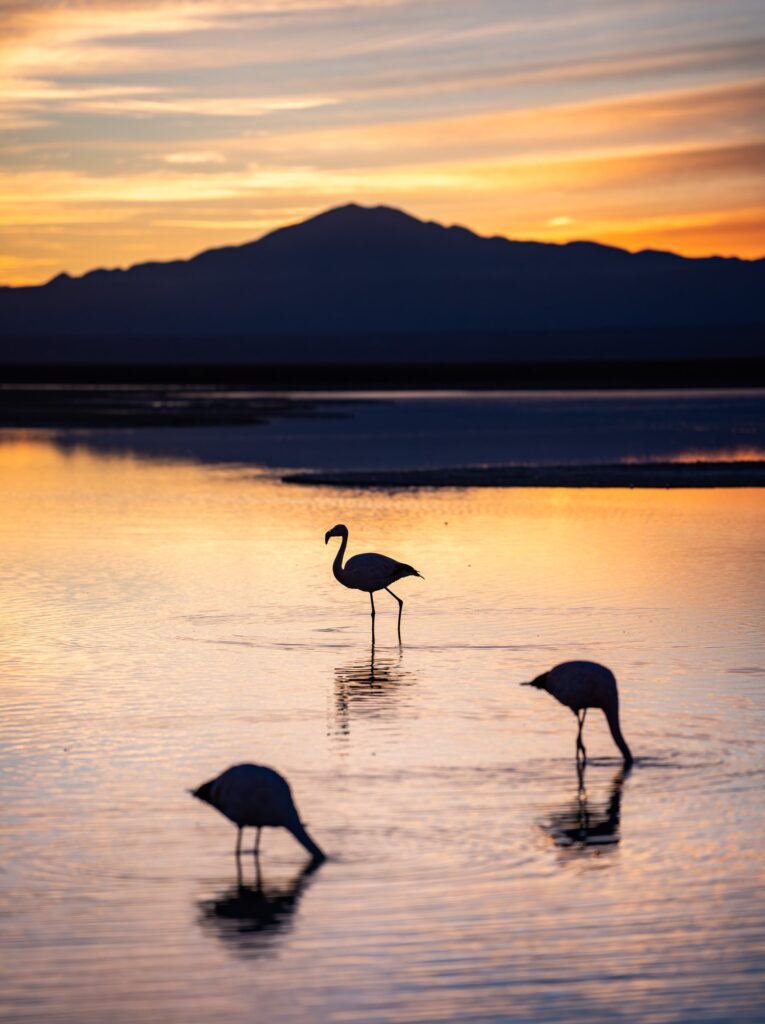
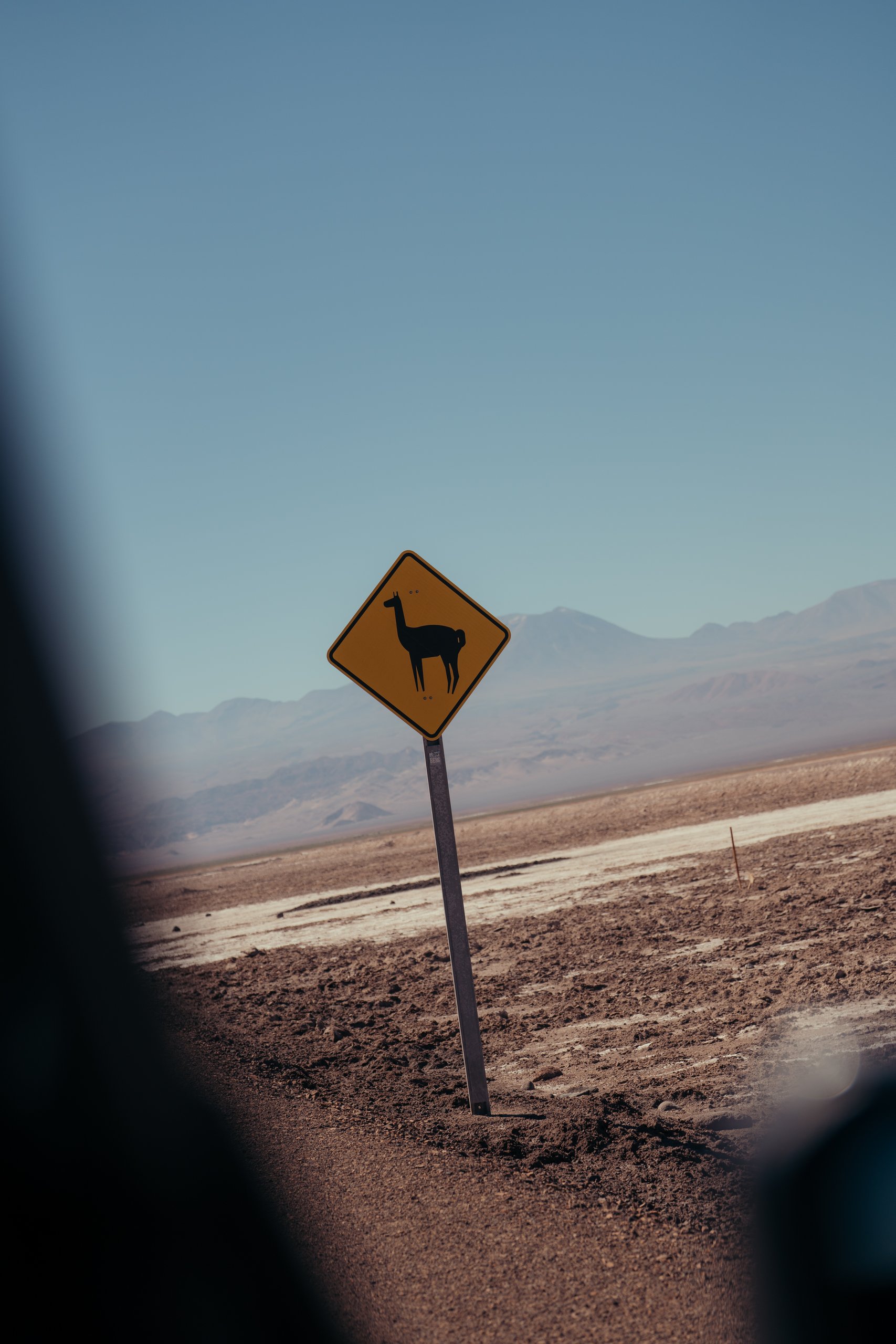
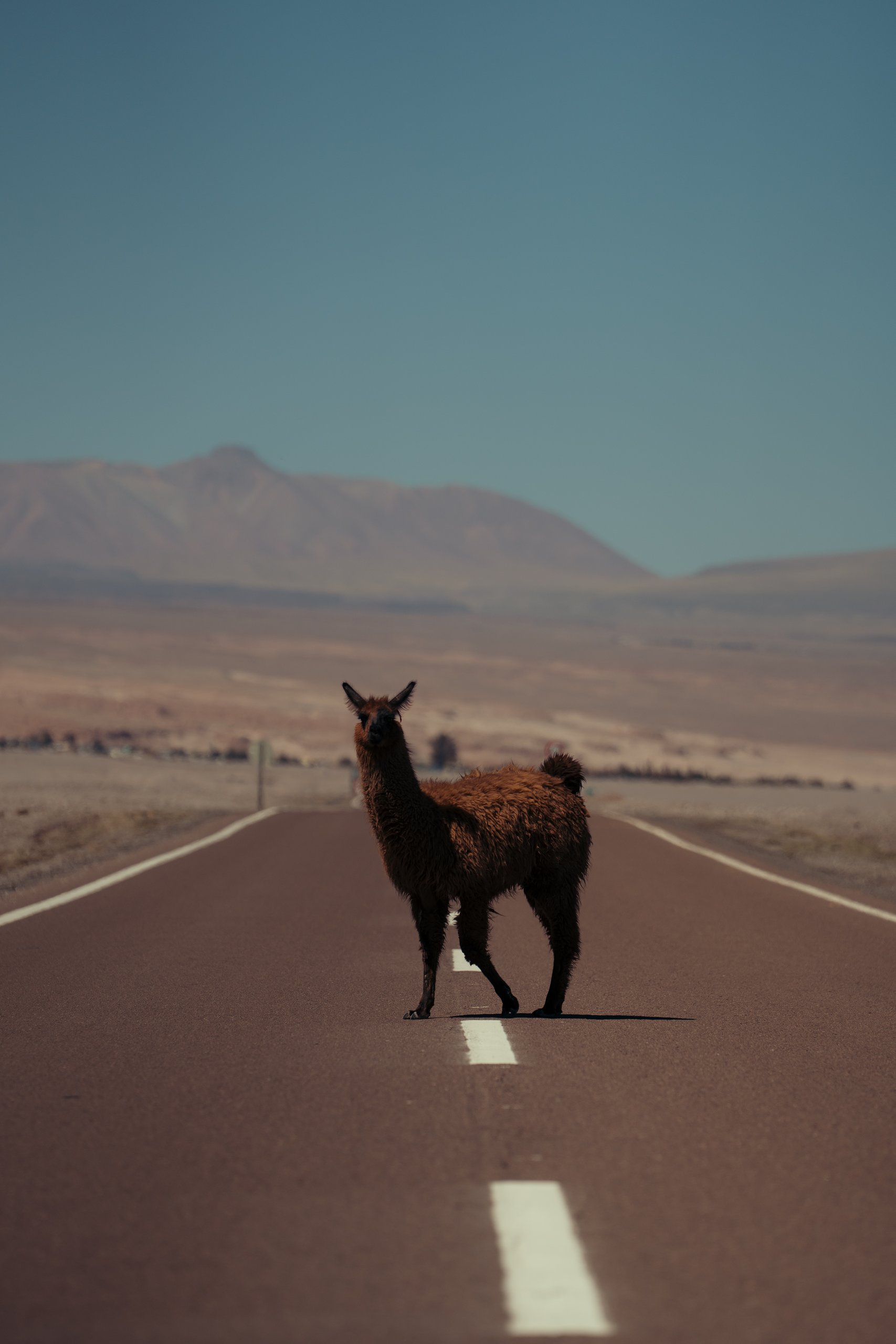
Flamingos gather on high-altitude lagoons, while vicuñas, vizcachas, and other wildlife thrive in this seemingly spare landscape.
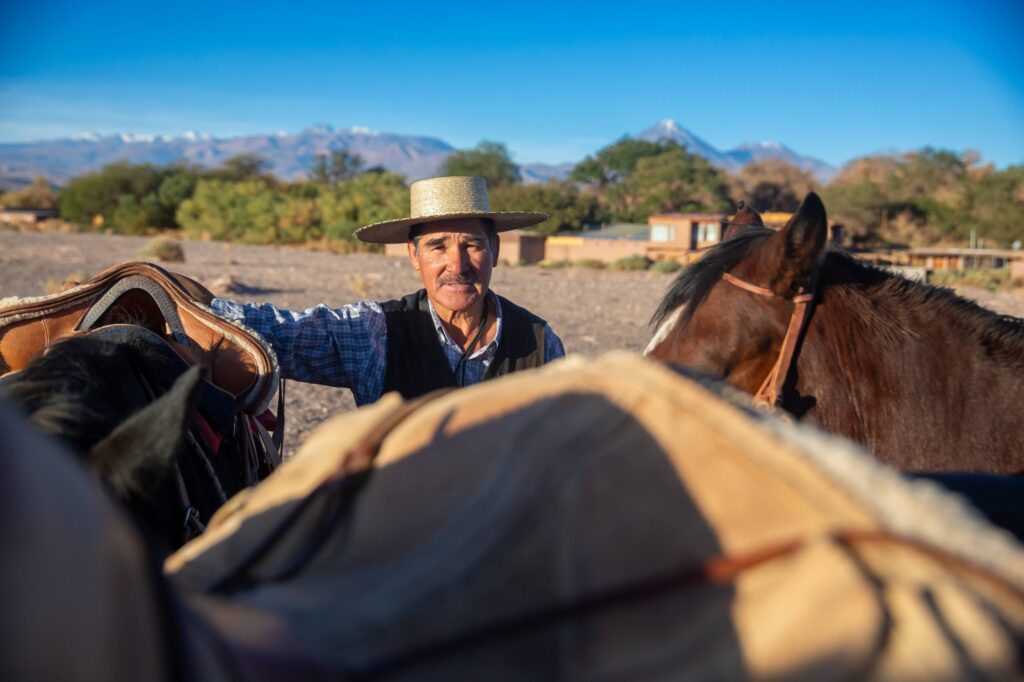
Indigenous communities have shaped life here for generations, with traditions and knowledge deeply connected to the desert.

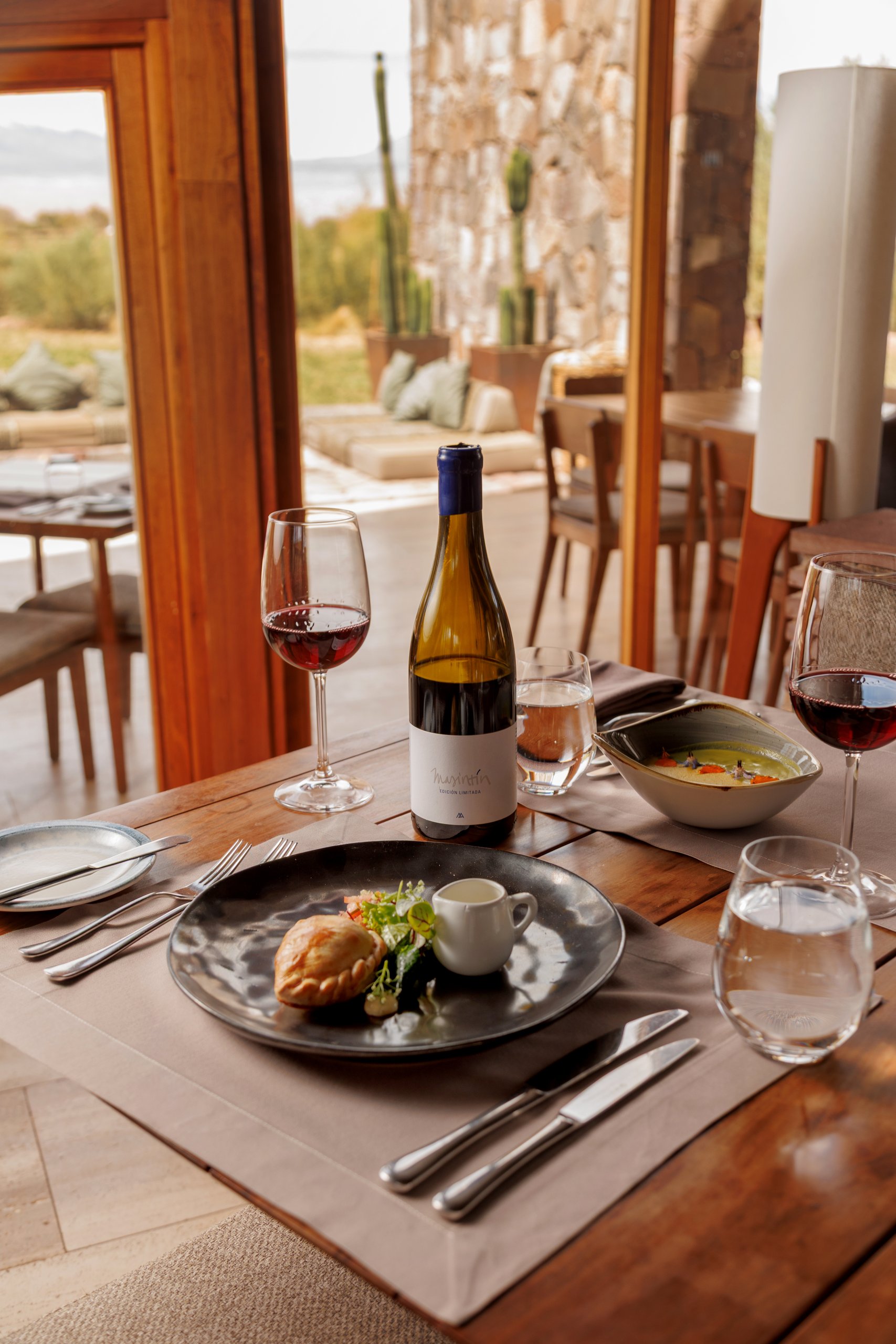
High-altitude grains, corn, herbs, and other regional ingredients bring the flavors of northern Chile into the kitchen.
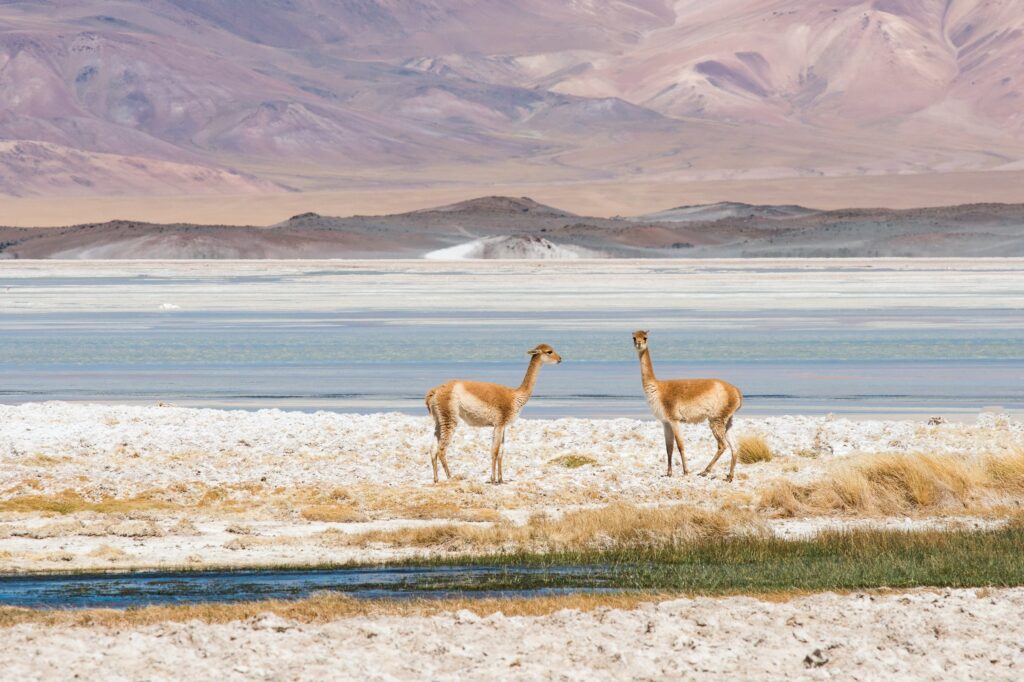
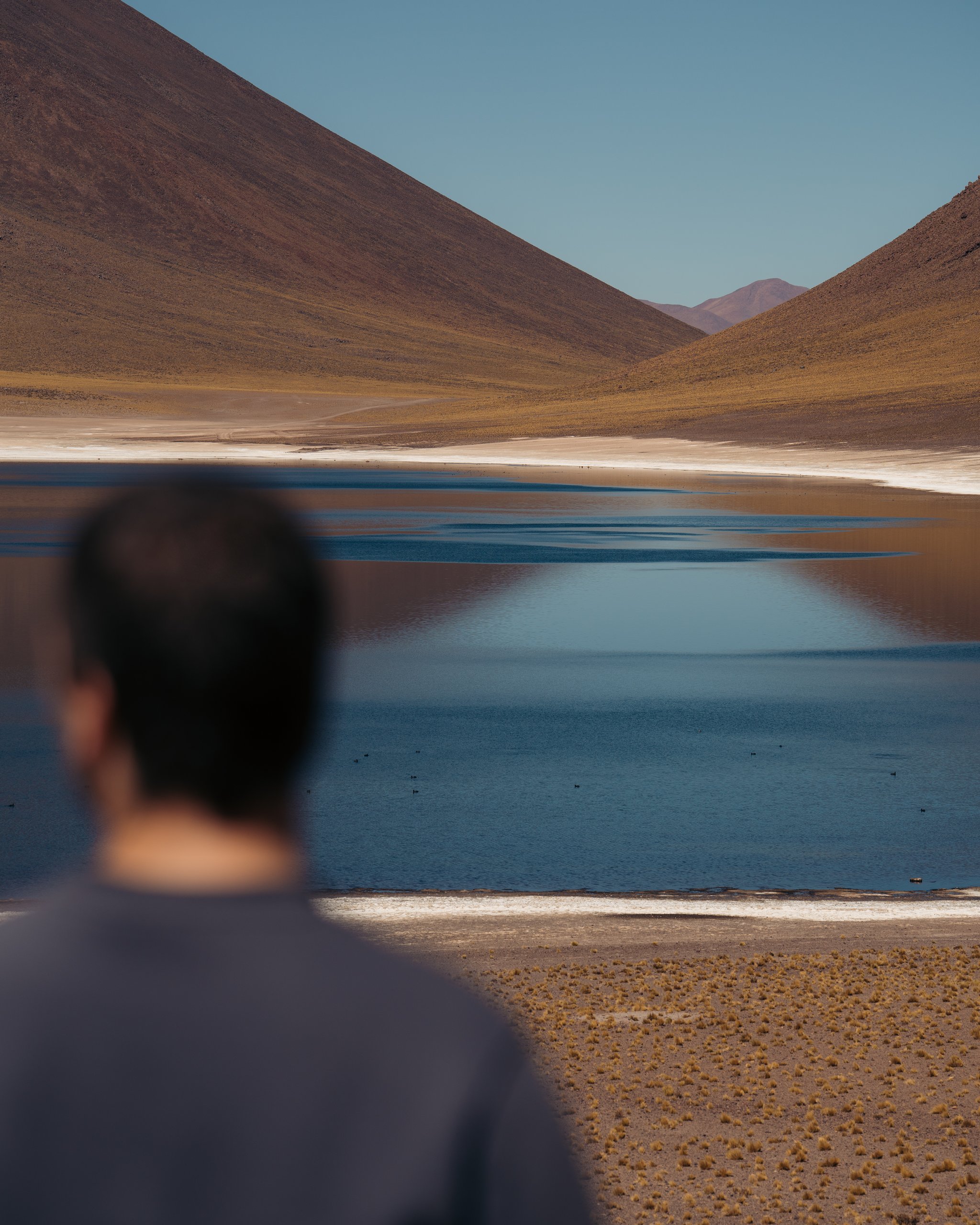
Across the Salar de Atacama, crusts of salt are broken by shallow lagoons where wildlife feeds against a backdrop of volcanoes.
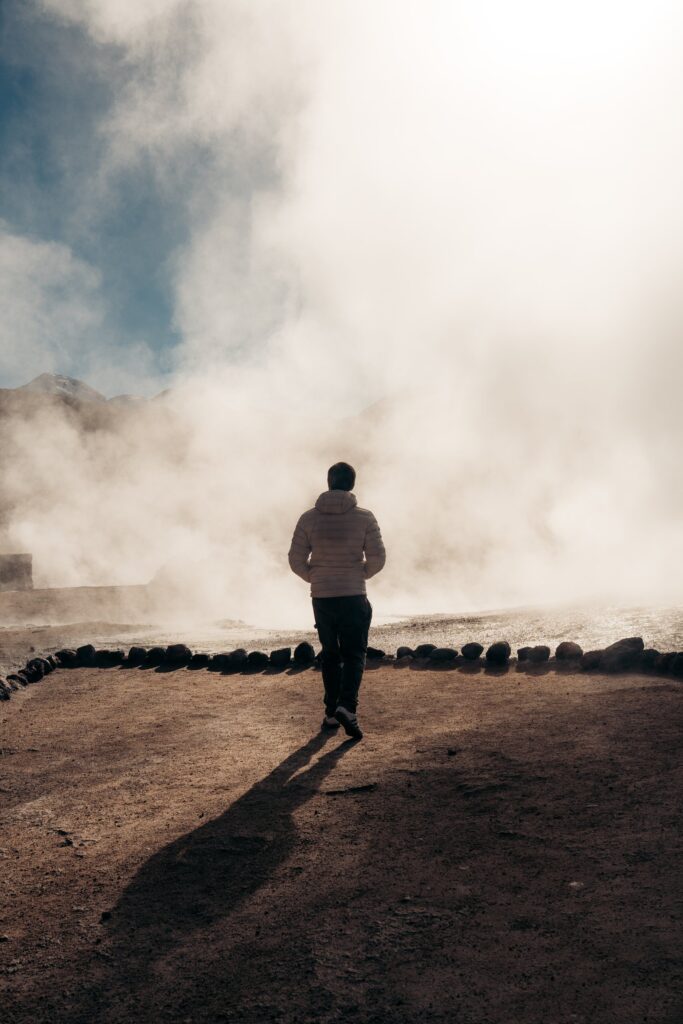
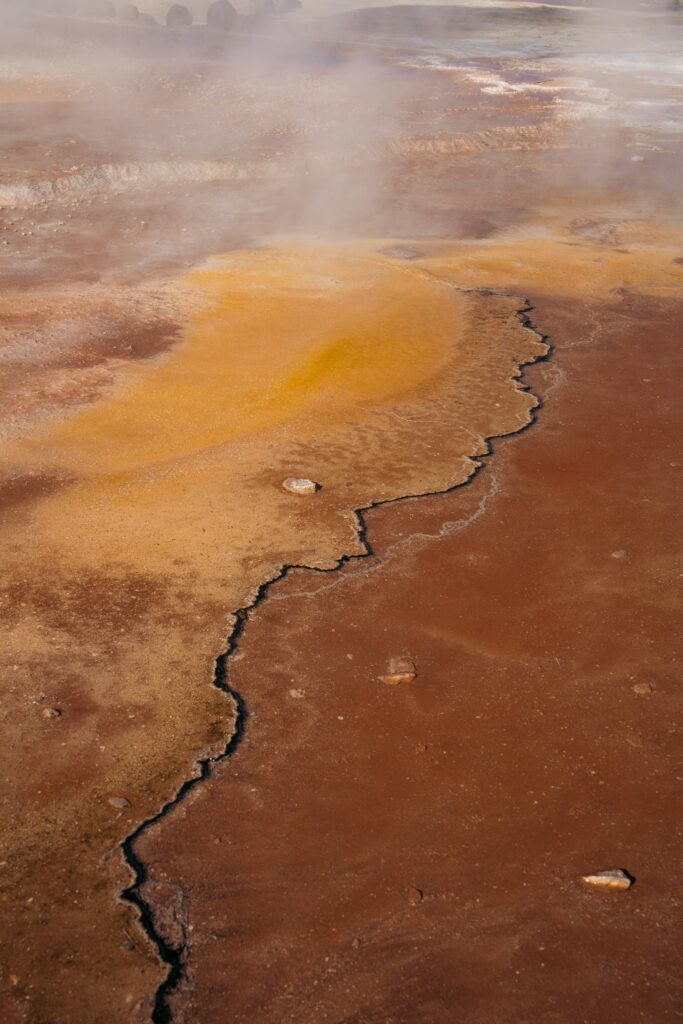
Geysers, steaming fumaroles, and volcanic peaks reveal a landscape that remains very much alive beneath the surface.
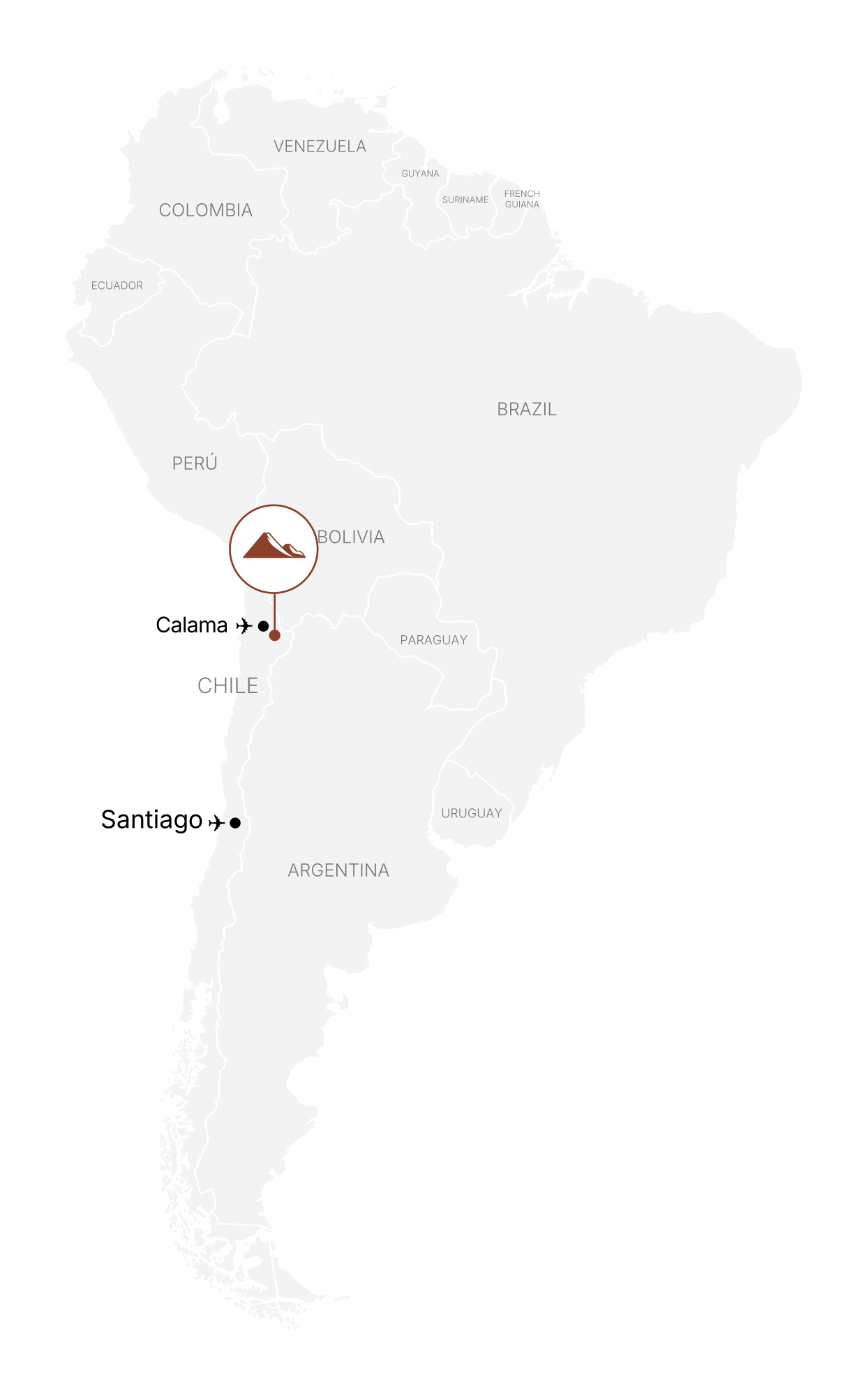
Tierra Atacama sits on the edge of San Pedro de Atacama in northern Chile. Calama Airport is the closest airport, about a one-hour-and-40-minute drive from the lodge.
LATAM, JetSMART, and SKY operate regular daily flights between Santiago and Calama, with a flight time of around two hours. Arrival in Calama between 10 a.m. and 5 p.m. is recommended for the smoothest onward transfer.
Santiago is the main international gateway for the Atacama, with direct connections from major cities in North America, Europe, and Australia. Travelers arriving from Asia typically connect through New Zealand, Australia, or the United States.
Complimentary shared return transfers between Calama Airport and Tierra Atacama are included for guests arriving on scheduled flights. The drive to the lodge takes about one hour and 15 minutes.
Private airport transfers outside scheduled transfer times can be arranged for an additional charge. Private aircraft can also be chartered to Calama Airport, with Beckons Reservations available to assist with arrangements.
SEASONALITY
Summer brings warm days and the possibility of brief afternoon storms, particularly from January through April. Fall turns drier and cooler, followed by winter’s crisp days and cold nights. By spring, temperatures begin to climb again beneath the clear skies that define the Atacama year-round.
Flamingos gather across the salt flats as hot, sunny days invite early excursions and slower afternoons at the lodge.
Warm days and cooler nights make this an inviting time for longer excursions across the altiplano.
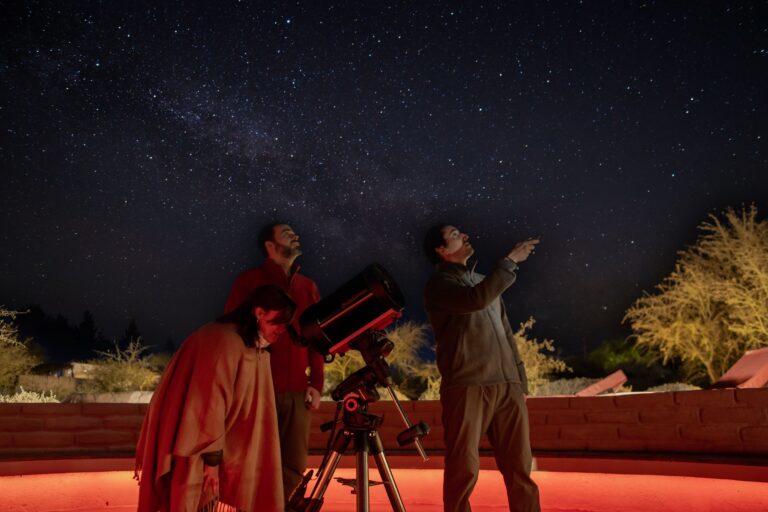
Snow dusts the peaks as cooler days arrive, while cold, clear nights create ideal conditions for stargazing.
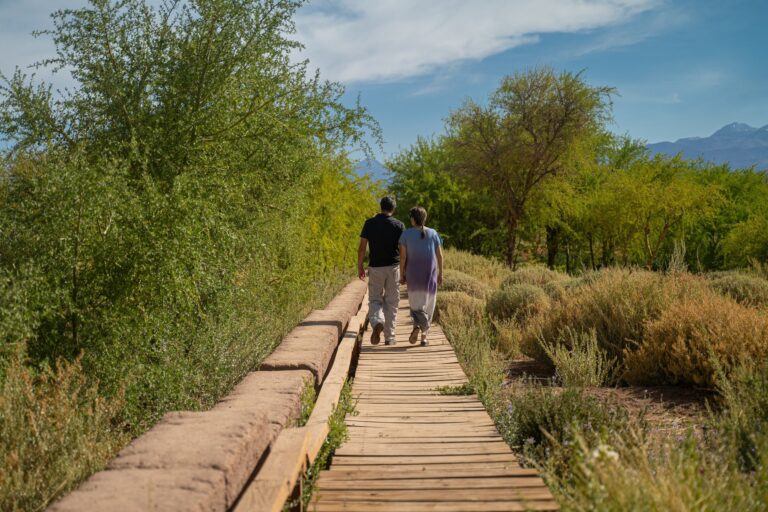
Longer days and warmer temperatures draw you outdoors as bird and wildlife activity picks up across the desert.
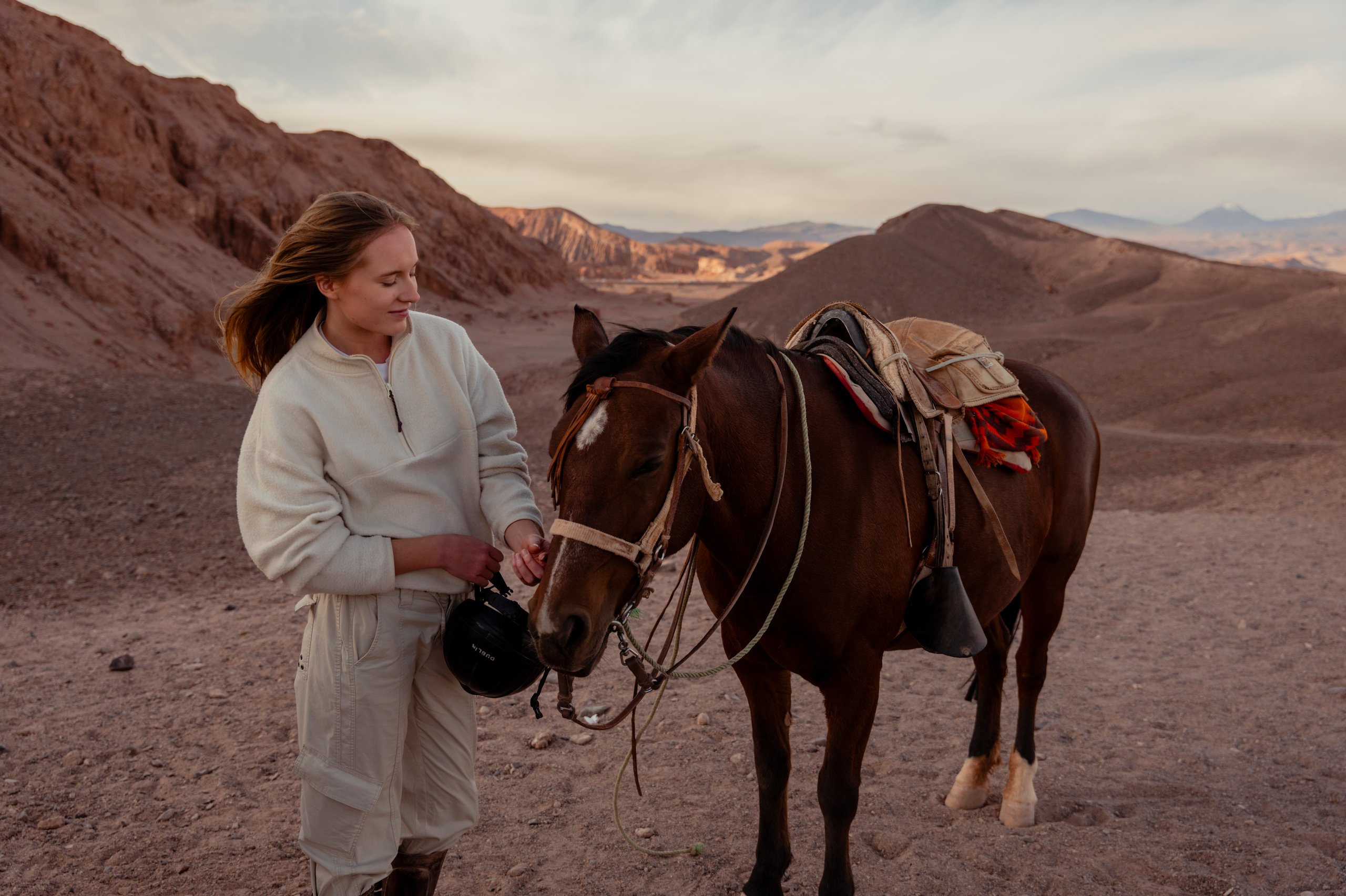
Pack comfortable clothing, sturdy walking or hiking shoes, activewear, warm layers, a hat, sunglasses, and swimwear. Temperatures can shift considerably between day and night, so layers are especially useful.
Your stay includes all dining, an open bar with house wines and spirits, a complimentary yoga class each day, and a choice of two half-day signature excursions or one full-day excursion each day. Shared return transfers from Calama Airport and use of lodge facilities are also included.
Daily laundry service is available for an additional charge. Dry cleaning is not available.
Complimentary Wi-Fi is available at Tierra Atacama.
Tierra Atacama sits at 2,407 meters, with some excursions climbing above 4,000 meters. Itineraries are designed to begin with gentler excursions before progressing to higher elevations and more demanding terrain. Guests planning to climb Cerro Toco must spend at least five nights acclimatizing at Tierra Atacama beforehand.
Still have questions? Our specialists can help with the details before your stay.
Get in TouchThe local currency is the Chilean Peso (CLP).
San Pedro de Atacama follows Chile Standard Time (CLT), UTC−4, with daylight saving observed seasonally. The clocks change at the start of winter, which is worth checking when planning flights to and from Santiago.
Spanish is Chile’s official language. Most Tierra Atacama staff speak both Spanish and English, and English is widely spoken across the tourism and hospitality industry.
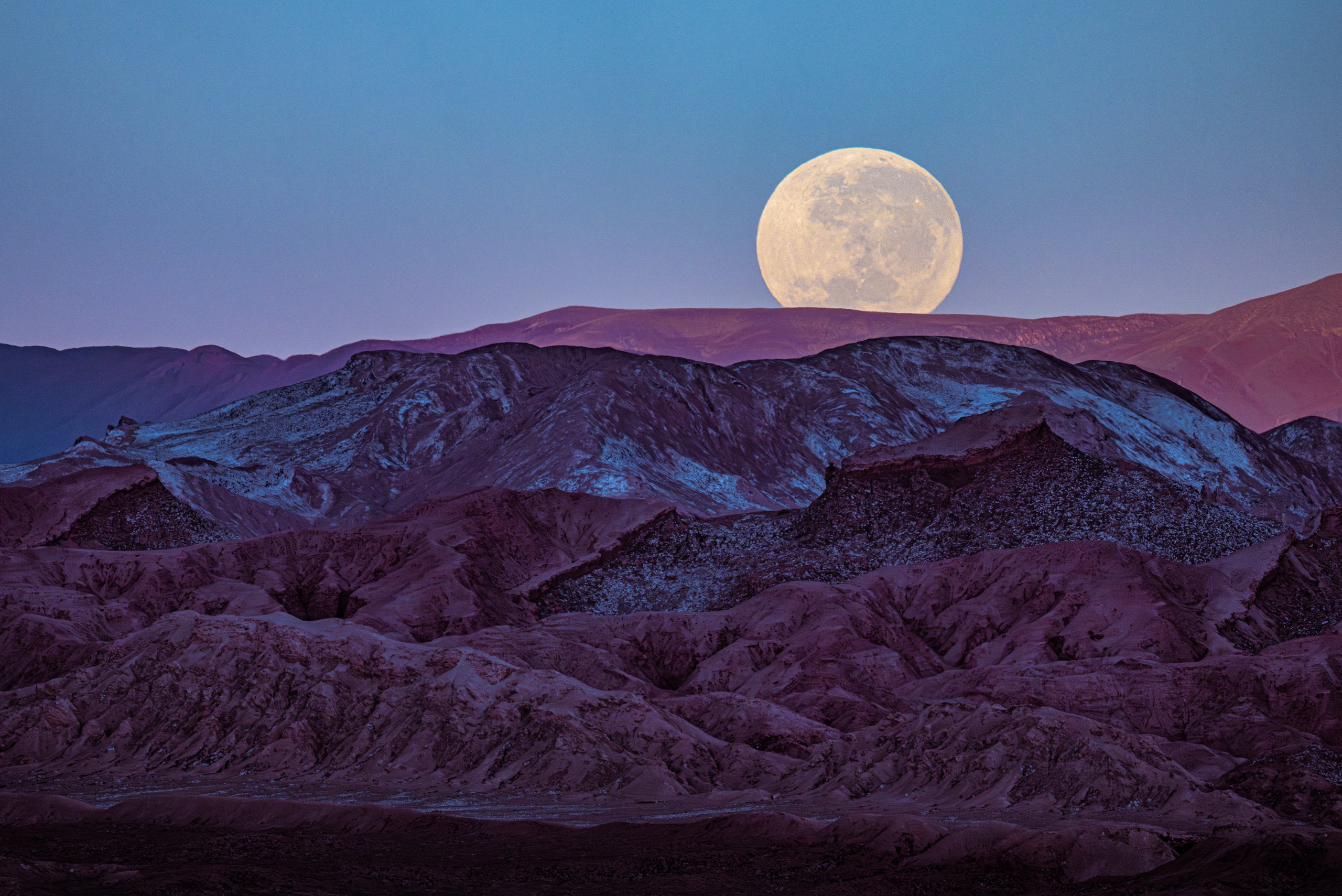
Stargazing is excellent throughout much of the year thanks to the desert’s altitude, aridity, and low light pollution. Winter is especially strong for clear skies, though bright full-moon nights can reduce visibility of fainter stars and constellations.
Spring brings increased bird and wildlife activity during breeding season, while summer is a particularly good time to see flamingos gathering around the salt flats.
Yes. Tierra Atacama sits at 2,407 meters, and some excursions climb above 4,000 meters. It’s best to begin with lower-altitude activities, stay hydrated, and give your body time to adjust before heading higher.
Yes, particularly for families with older children interested in nature, astronomy, and outdoor exploration. Tierra Atacama welcomes children ages 10 and older.
Yes. Desert excursions, stargazing, spa time, and quiet evenings back at the lodge make it easy to balance adventure with time together.
It can. Between January and April, occasional afternoon storms can affect higher elevations and temporarily change access to certain routes or attractions. Excursion plans may be adjusted accordingly.