
Wild Coastal Beauty
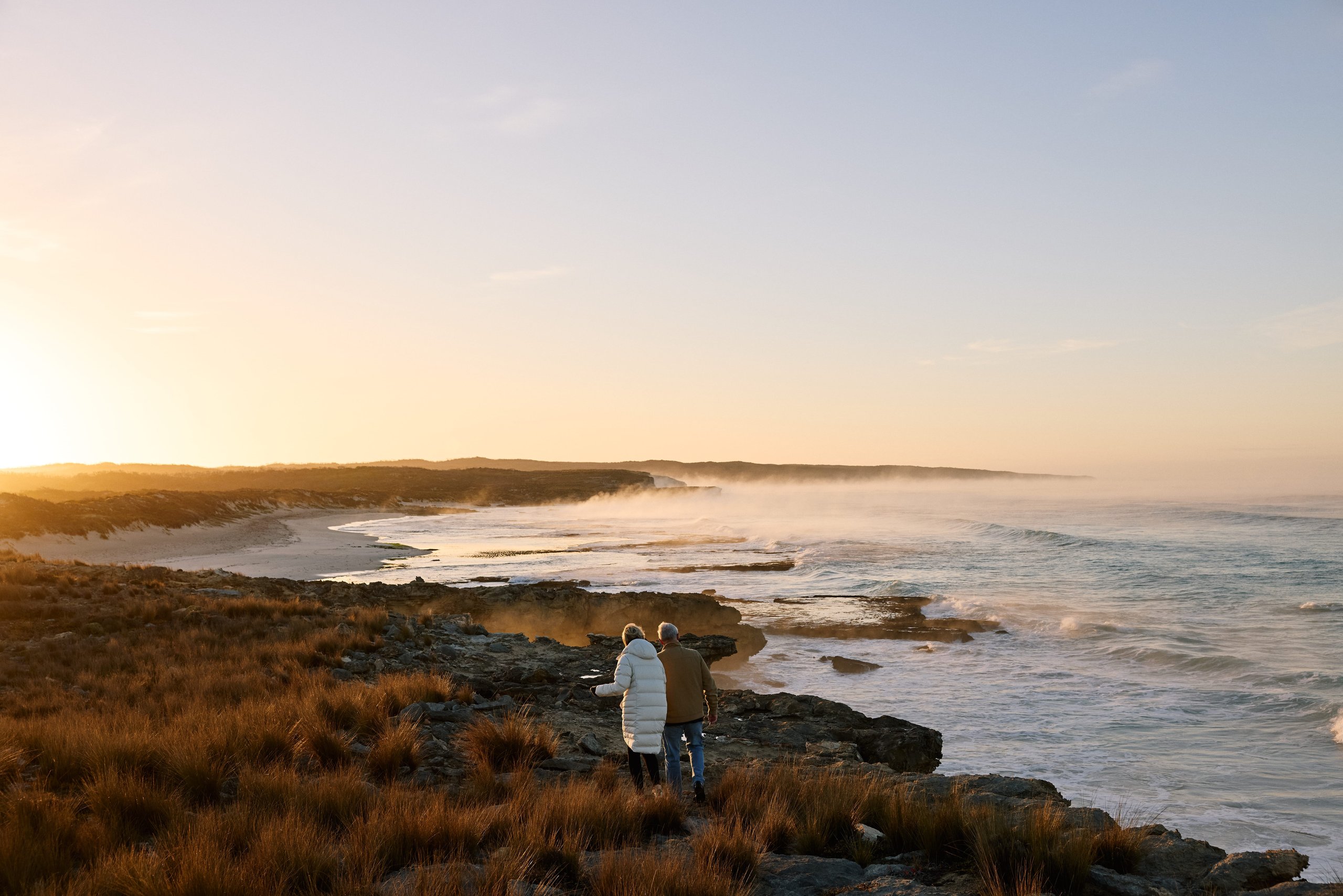
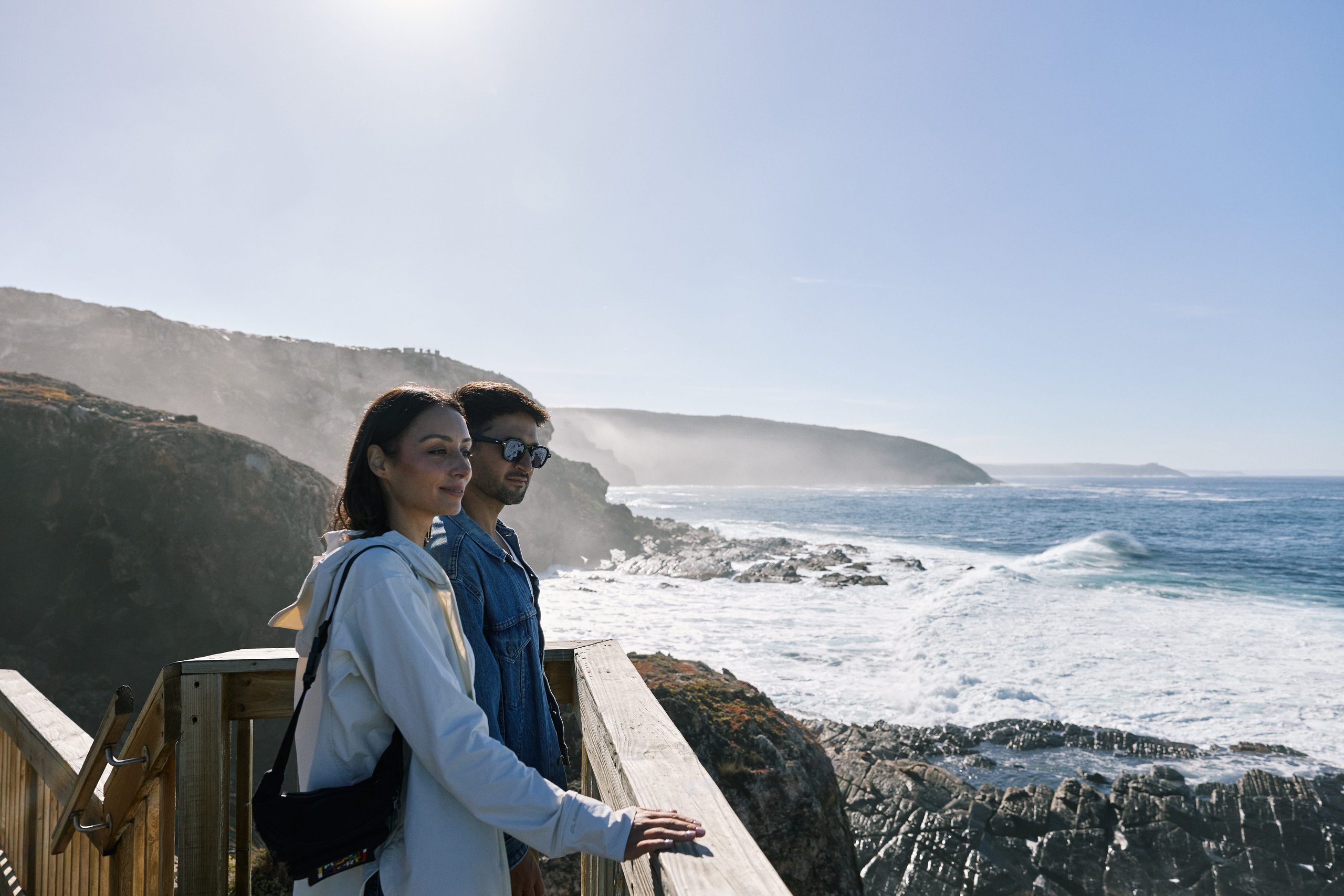
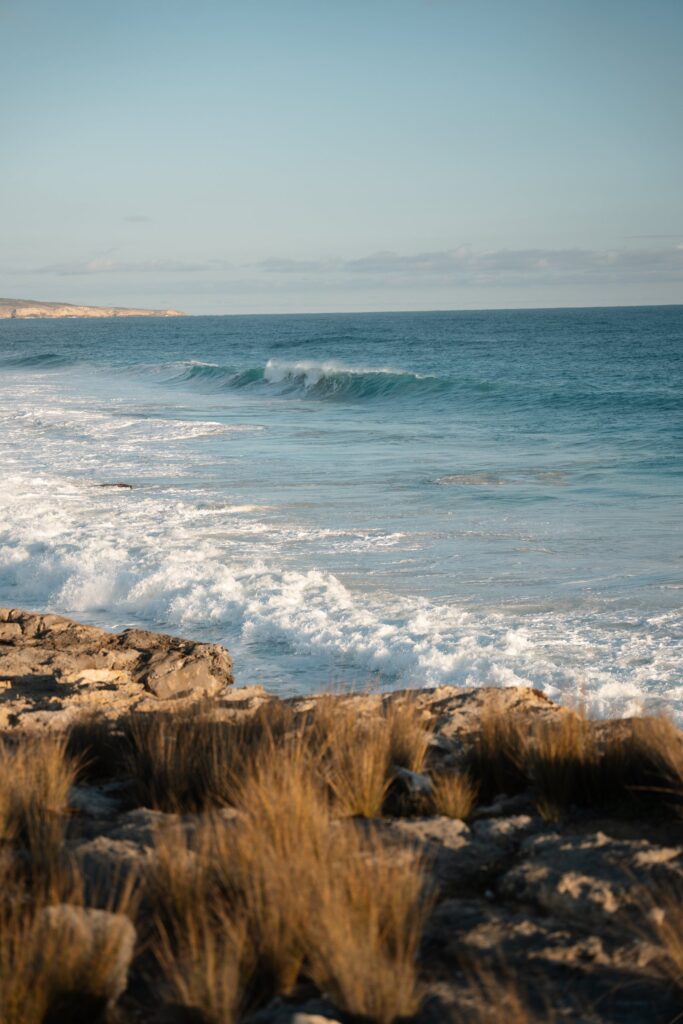
Sheer limestone cliffs give way to secluded coves, pale beaches, and the untamed waters of the Southern Ocean.
AT THE EDGE OF AUSTRALIA
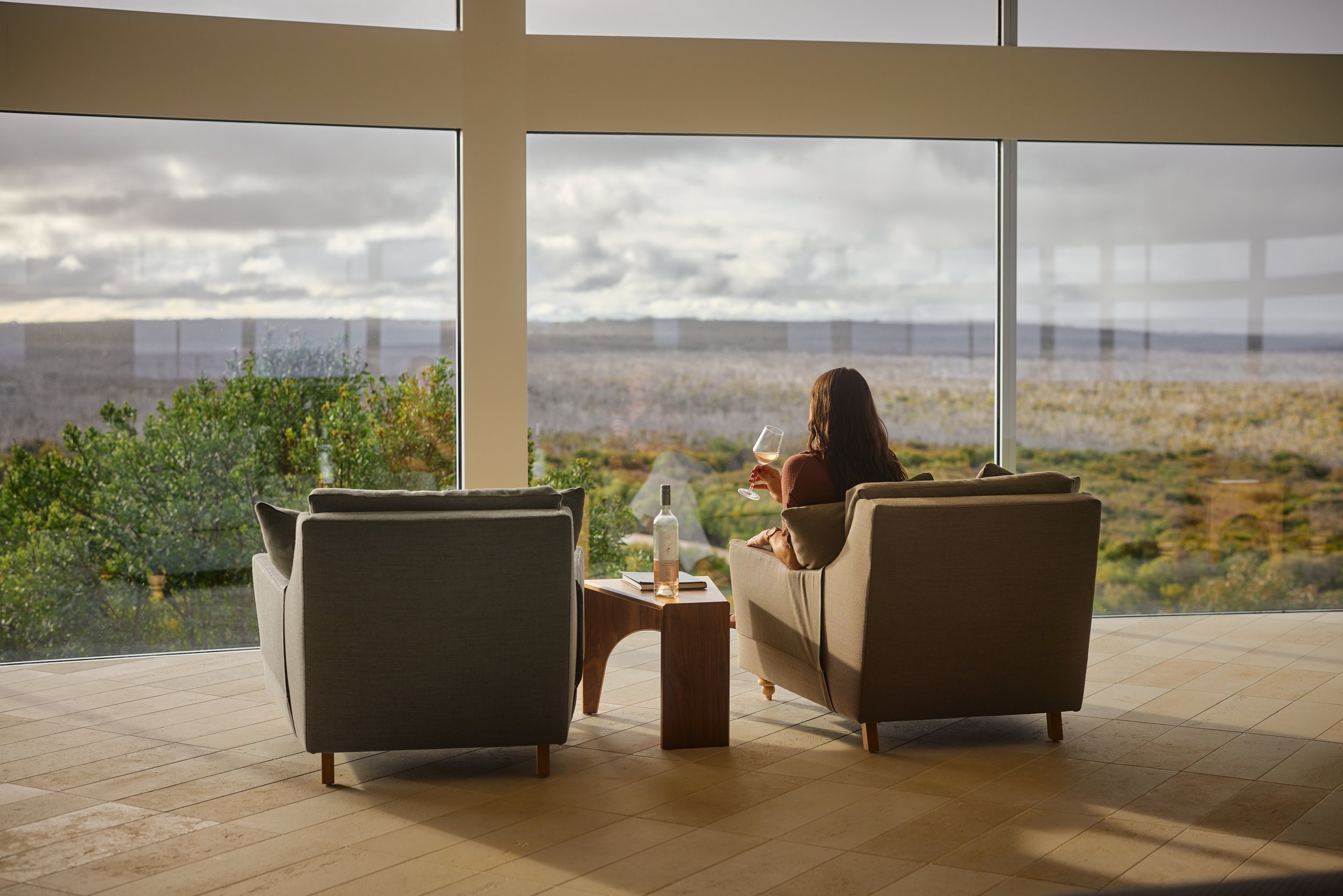
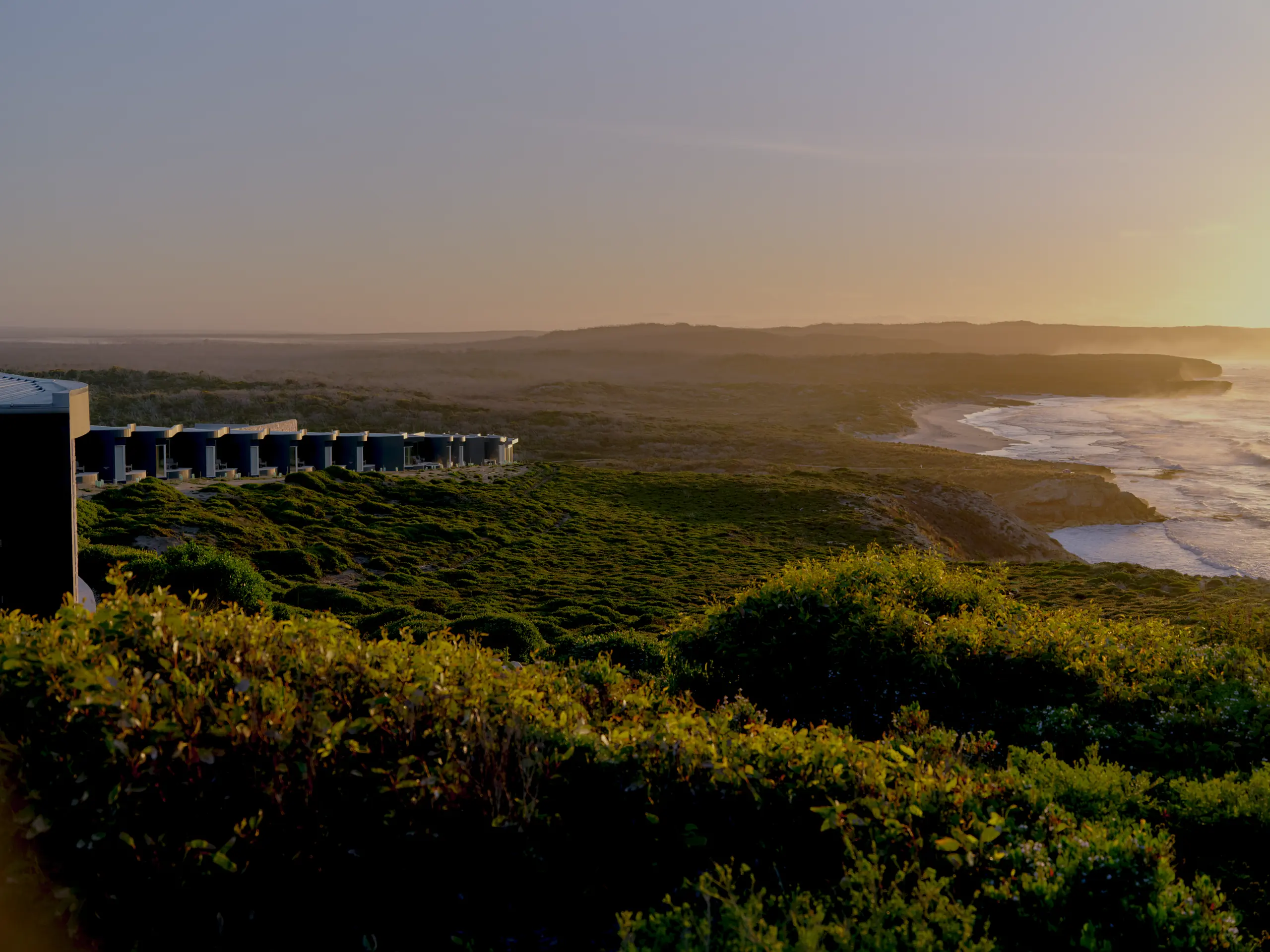
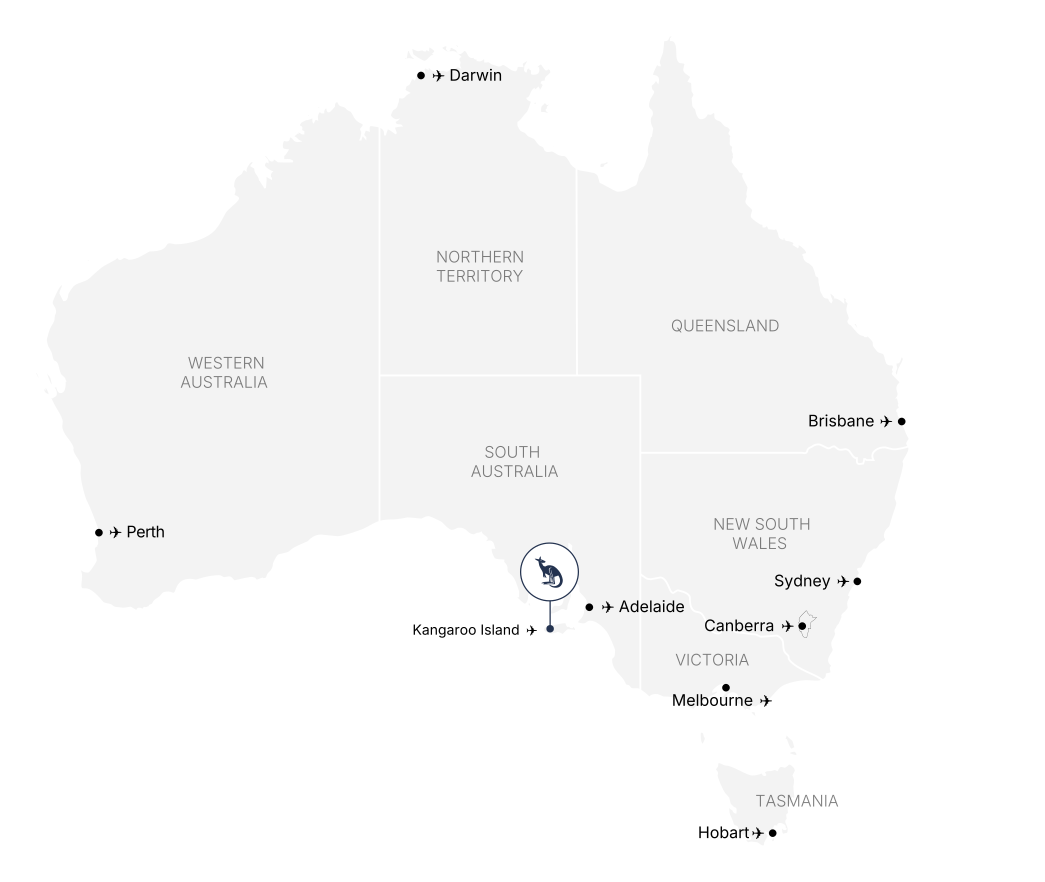
Off South Australia, Kangaroo Island is a world apart. Protected wilderness, empty beaches, windswept headlands, and native bush stretch across the island, with wildlife woven into the landscape. The lodge sits on the remote southwest coast, within easy reach of its most striking corners.
Protected wilderness stretches across 4,400 square kilometers of Kangaroo Island.
Seal Bay is home to Australia’s third-largest colony of Australian sea lions.
More than one-third of Kangaroo Island is protected as conservation sanctuary or national park.
With no foxes or rabbits introduced to the island, native wildlife has evolved in unusual isolation.
Kangaroo Island rewards a closer look, with wild coastlines, protected habitats, and a landscape that changes dramatically from one part of the island to the next.
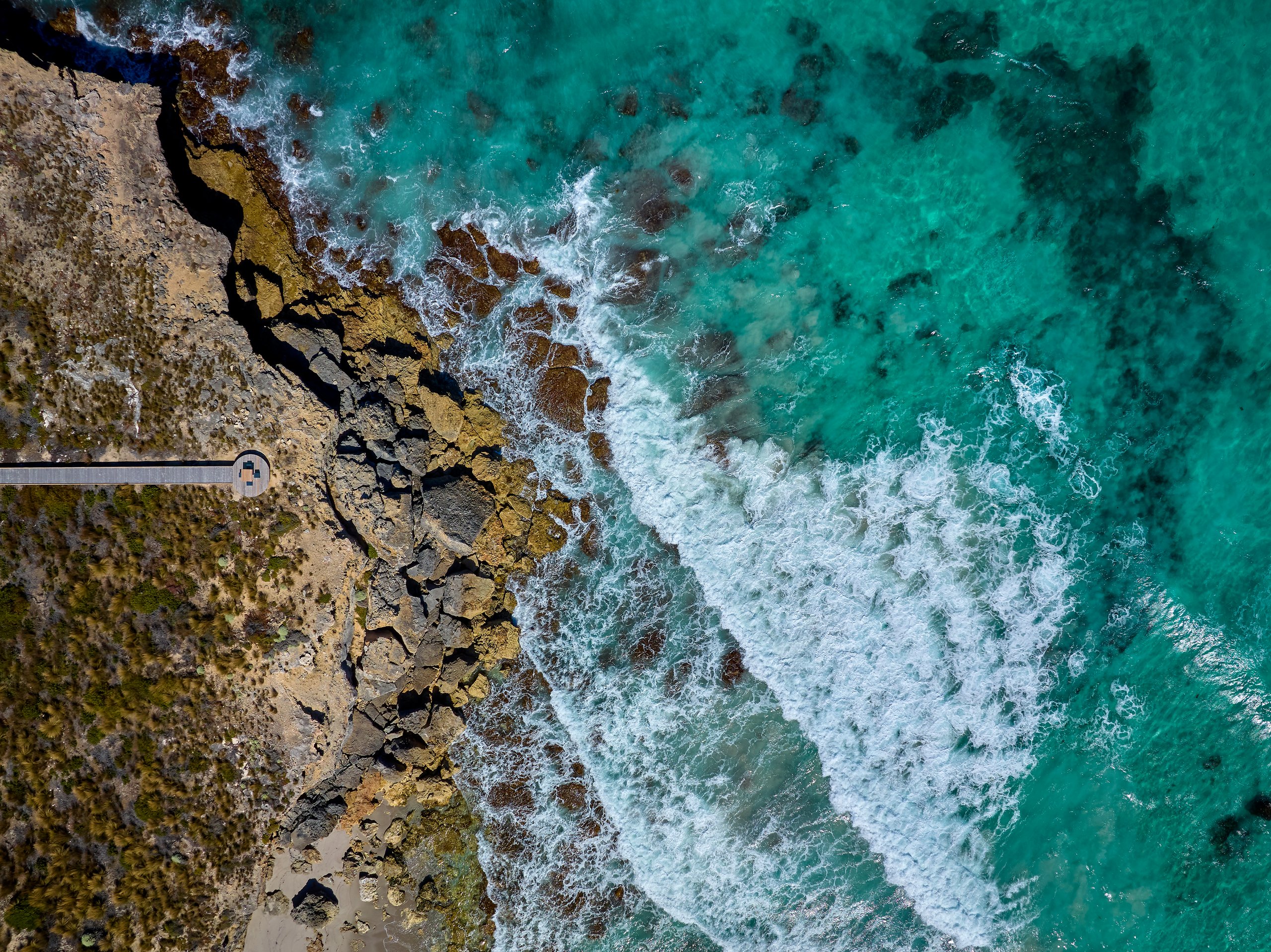
Sheer limestone cliffs give way to secluded coves, pale beaches, and the untamed waters of the Southern Ocean.
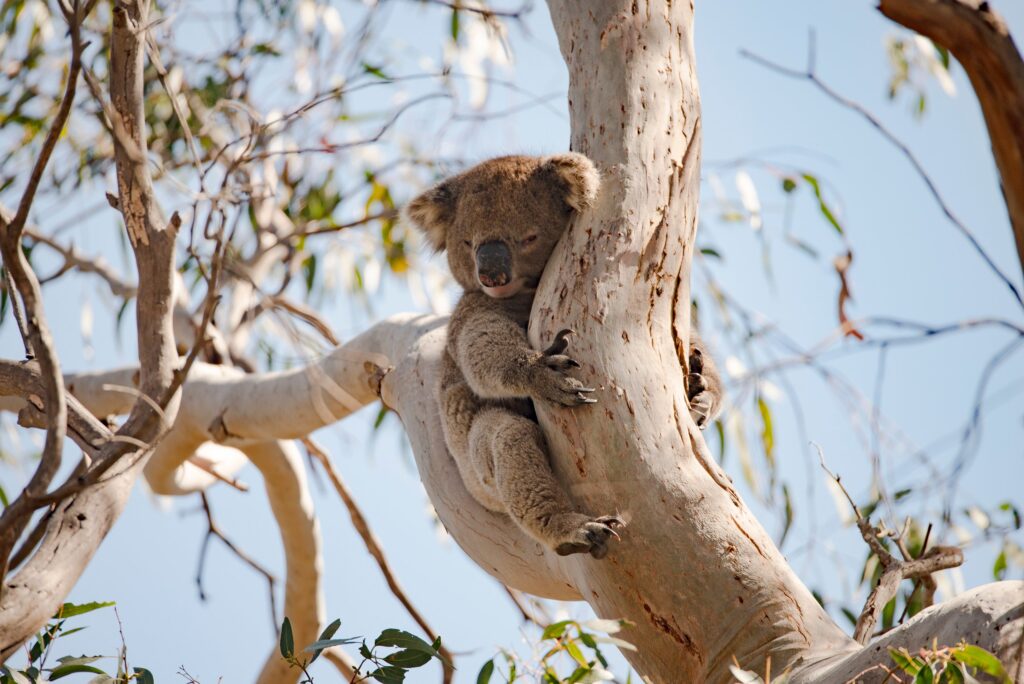
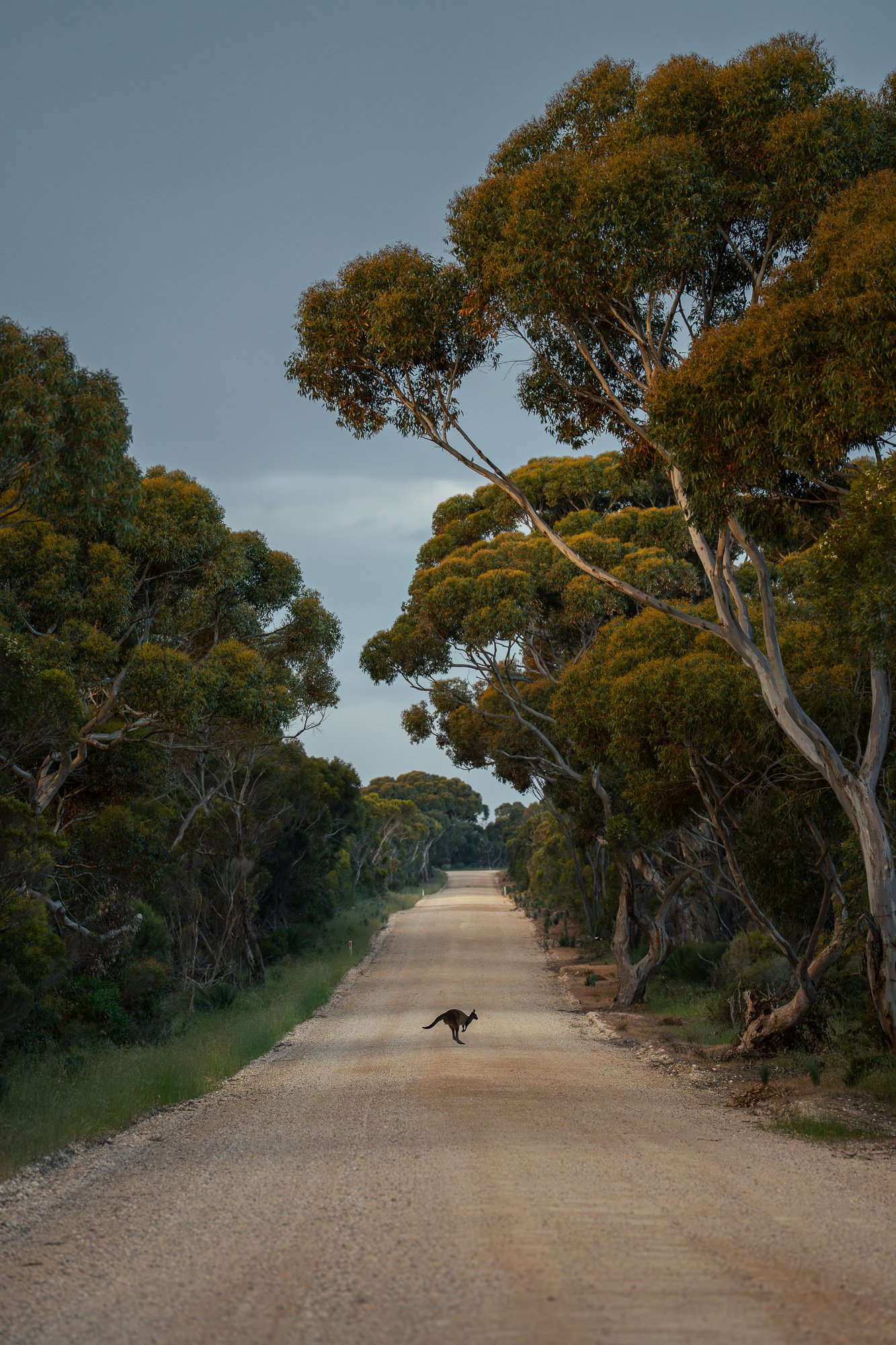
Wildlife is part of everyday life, roaming through bushland, gathering along the coast, and appearing when you least expect it.
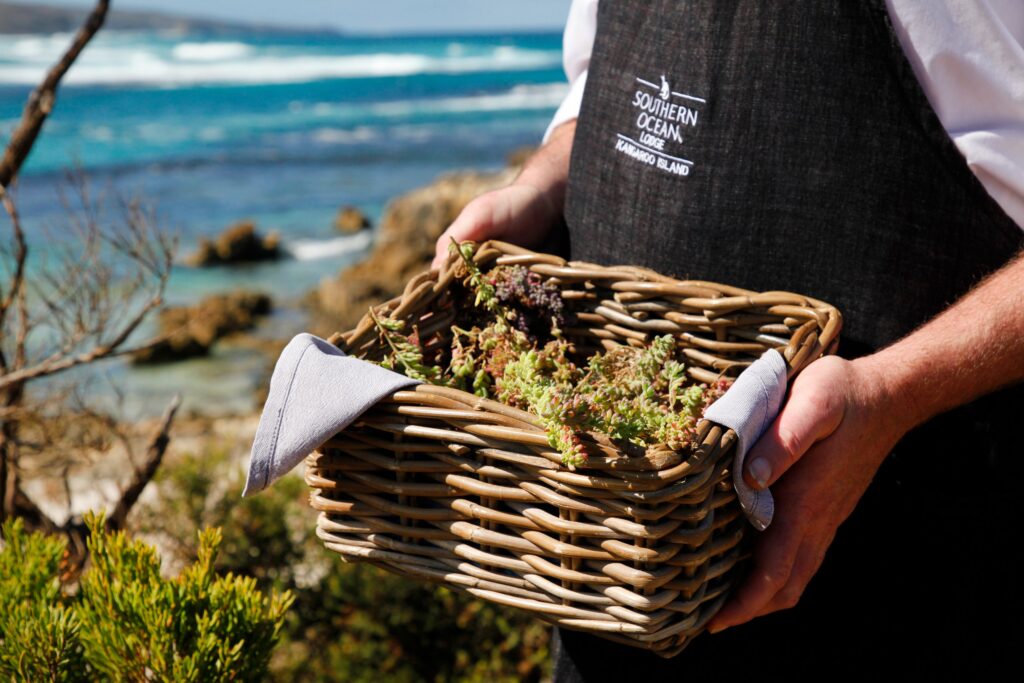
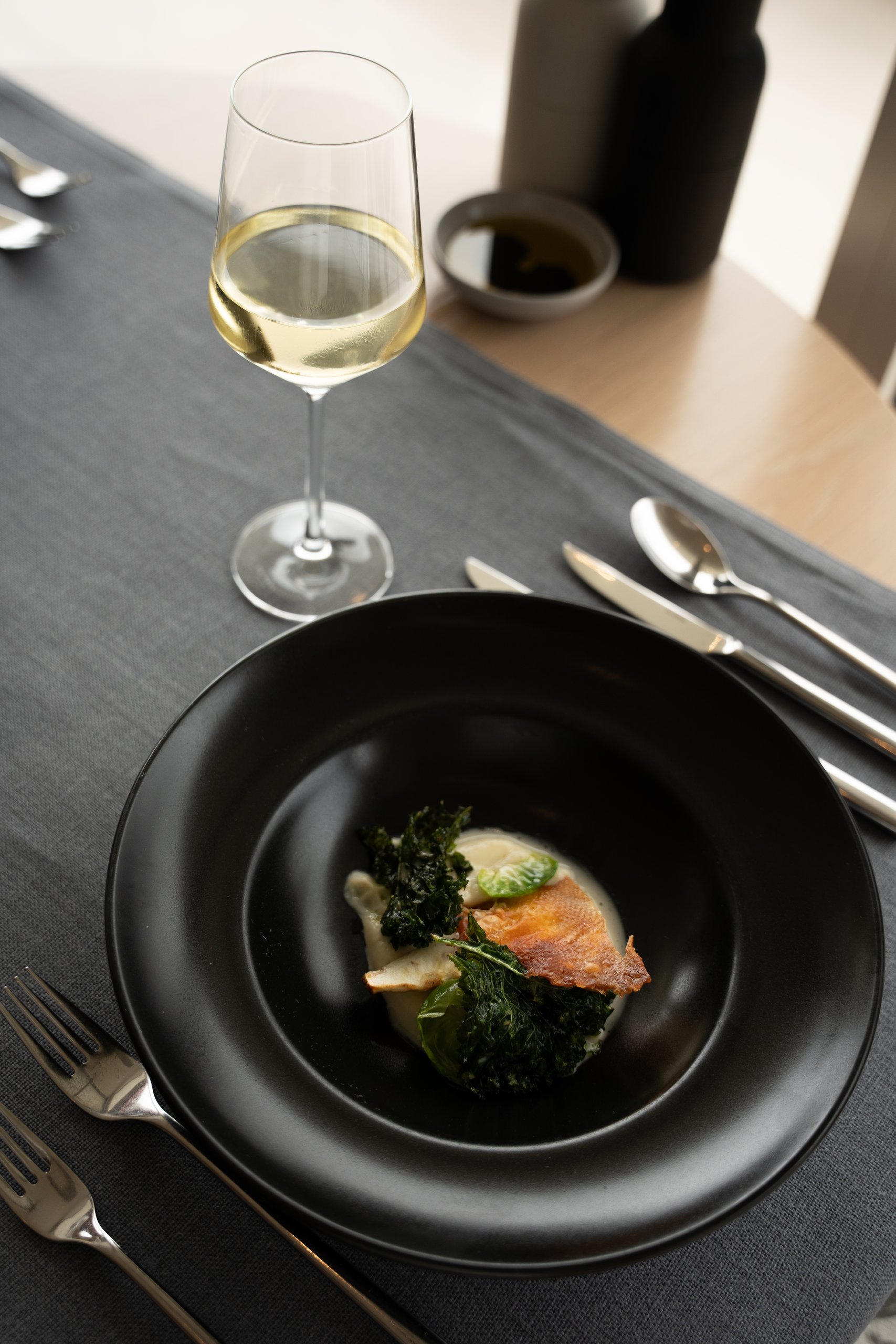
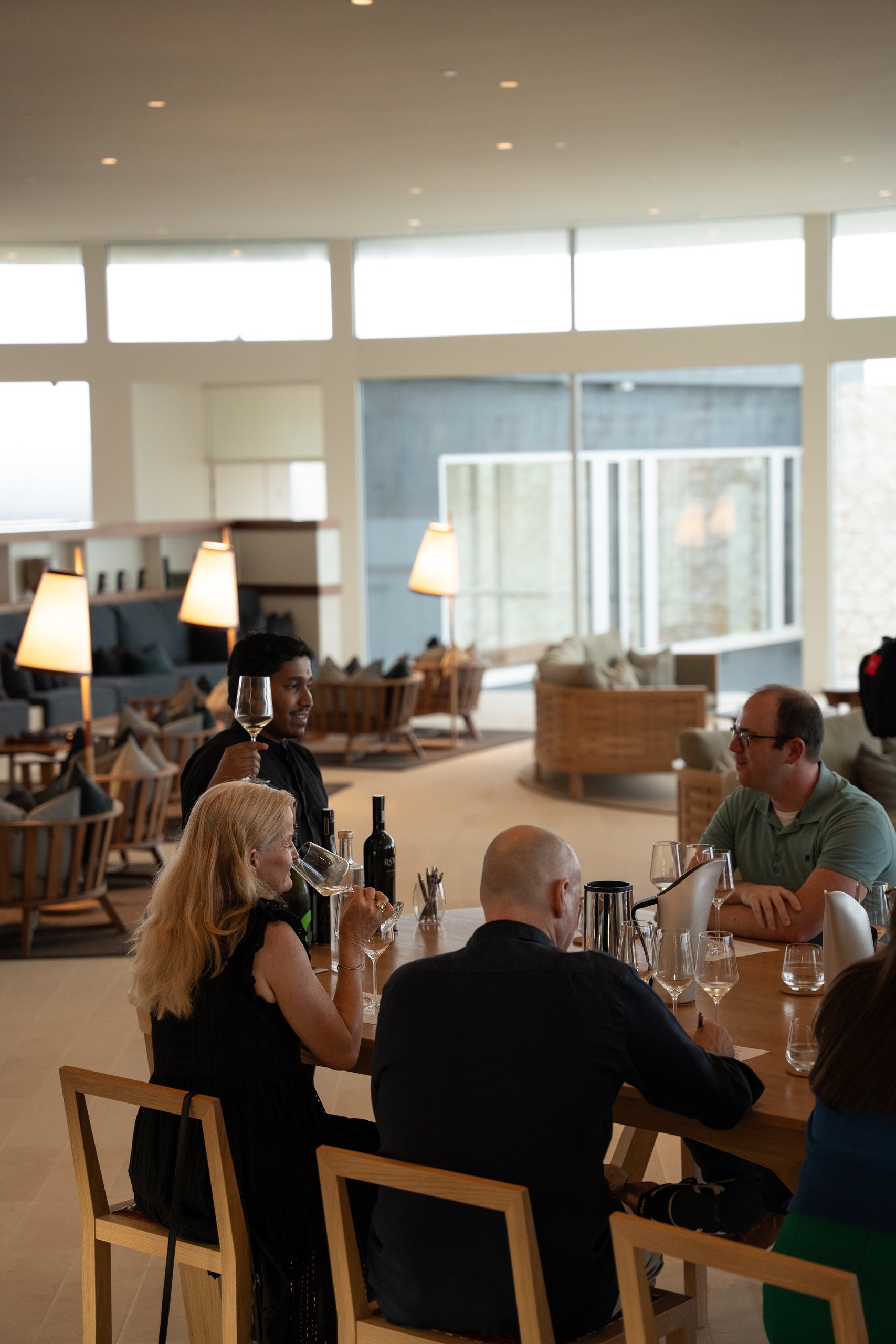
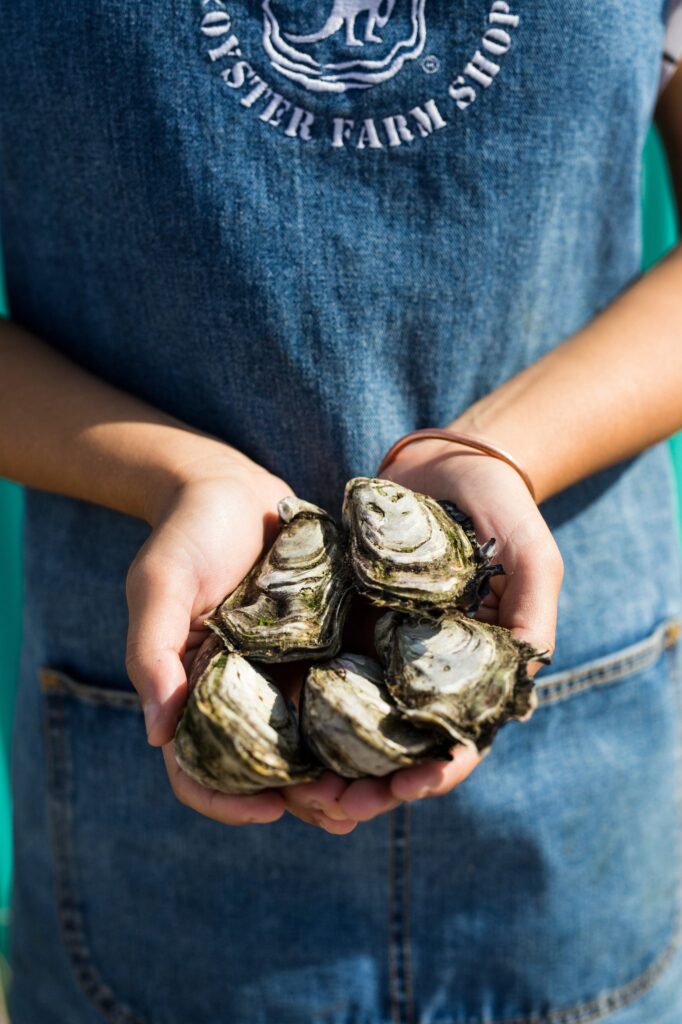
Farmers, growers, winemakers, and makers have turned the island’s natural abundance into a thriving food and wine culture.
Shipwrecks and generations of farming families tell a history shaped by isolation, resilience, and the surrounding sea.
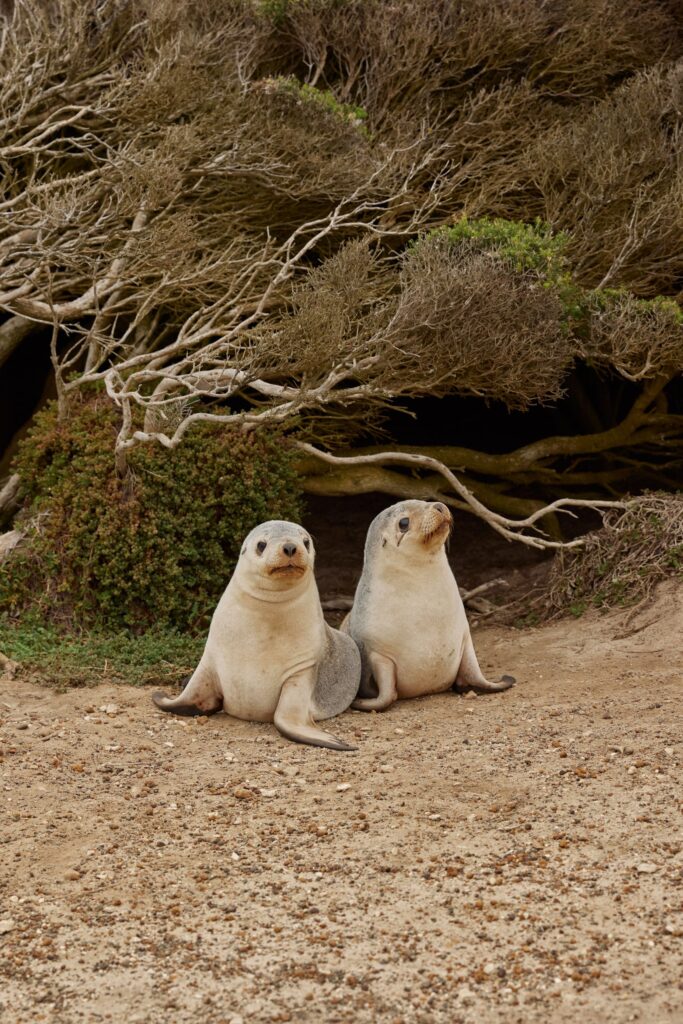
National parks and conservation areas protect vast stretches of the island, from native bushland to rugged coastline.
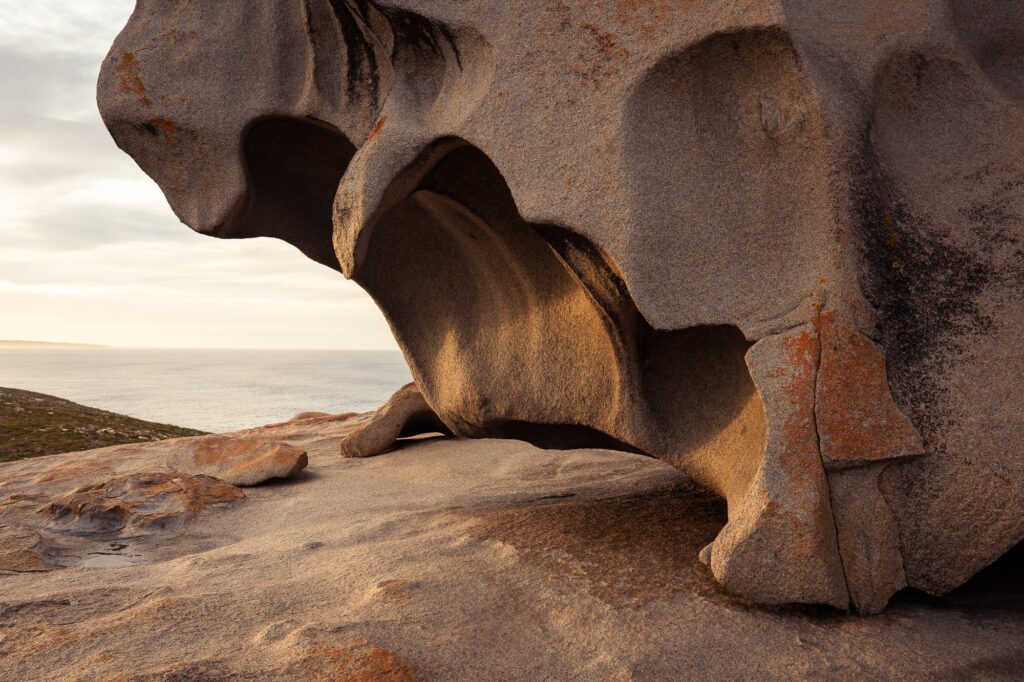
Wind, rain, and sea have sculpted ancient granite into the surreal formations that rise above the coast at Remarkable Rocks.
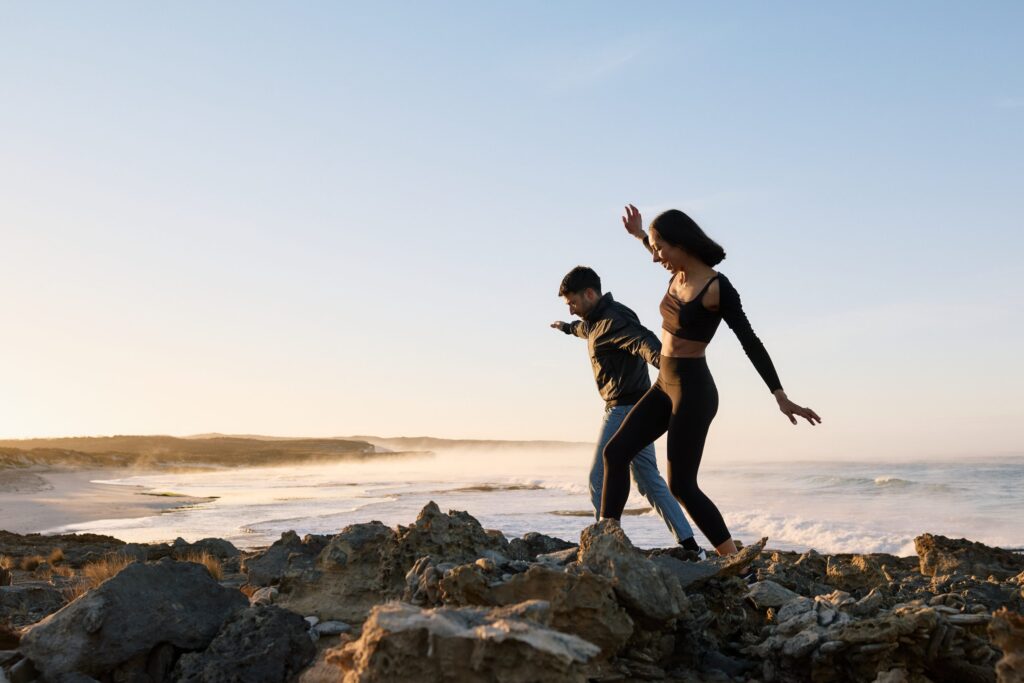
Beyond the better-known stretches of sand, quiet coves and tucked-away beaches reward those willing to venture farther.
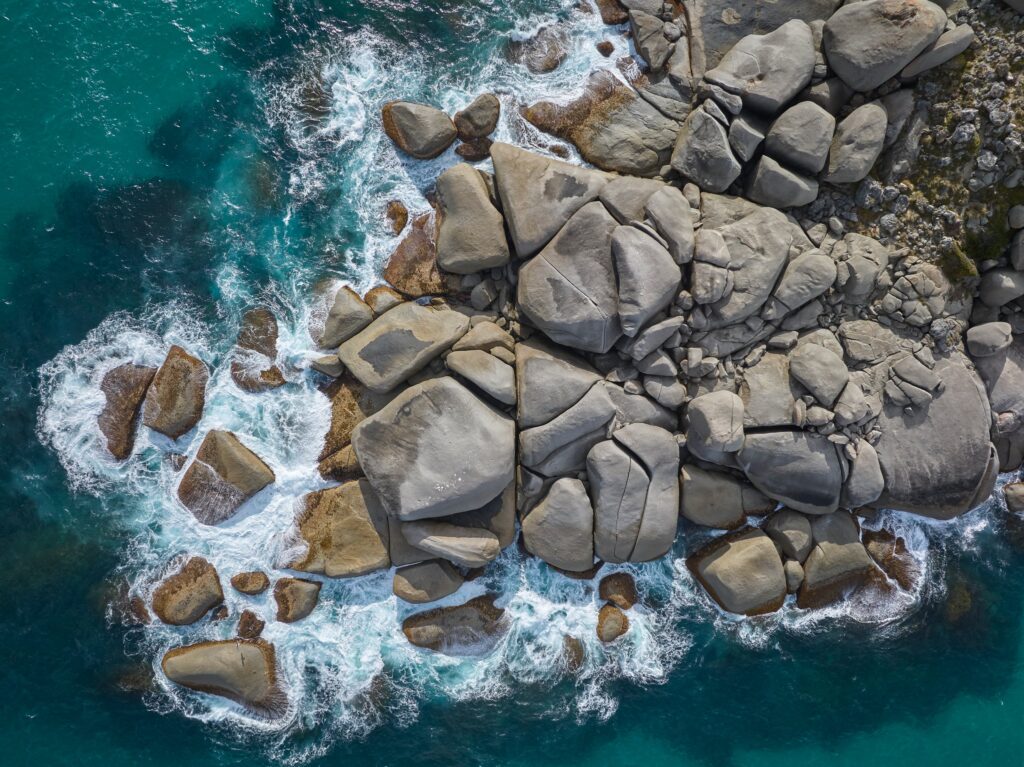
Granite headlands, limestone cliffs, caves, dunes, and dense bush reveal millions of years of geological change.
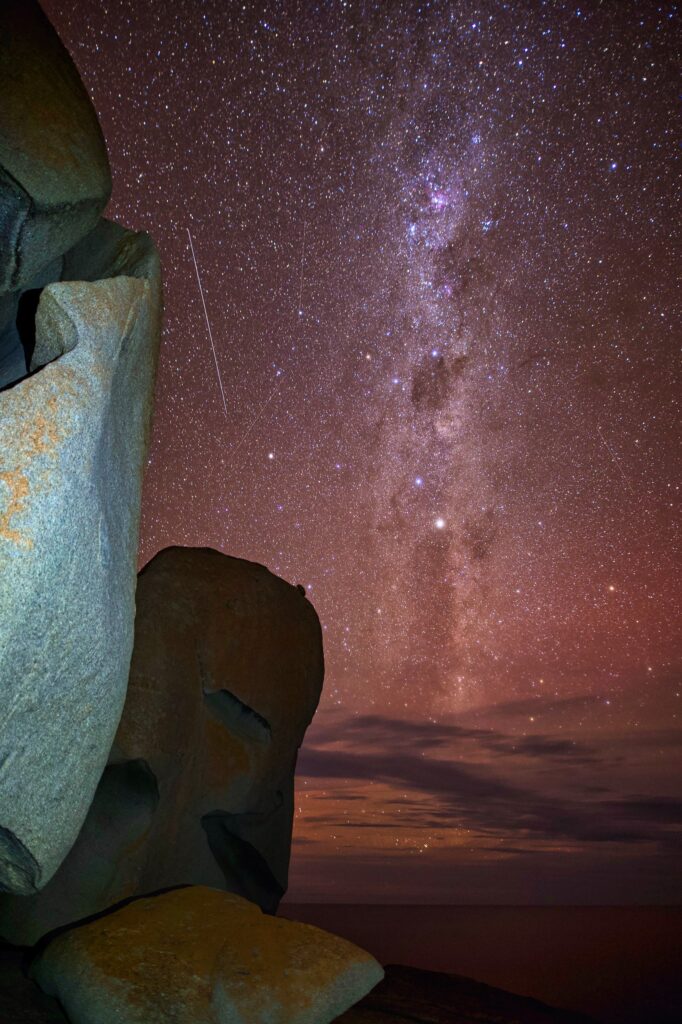
As daylight fades, the island shifts, with nocturnal wildlife emerging from the bush and some of the clearest skies overhead.
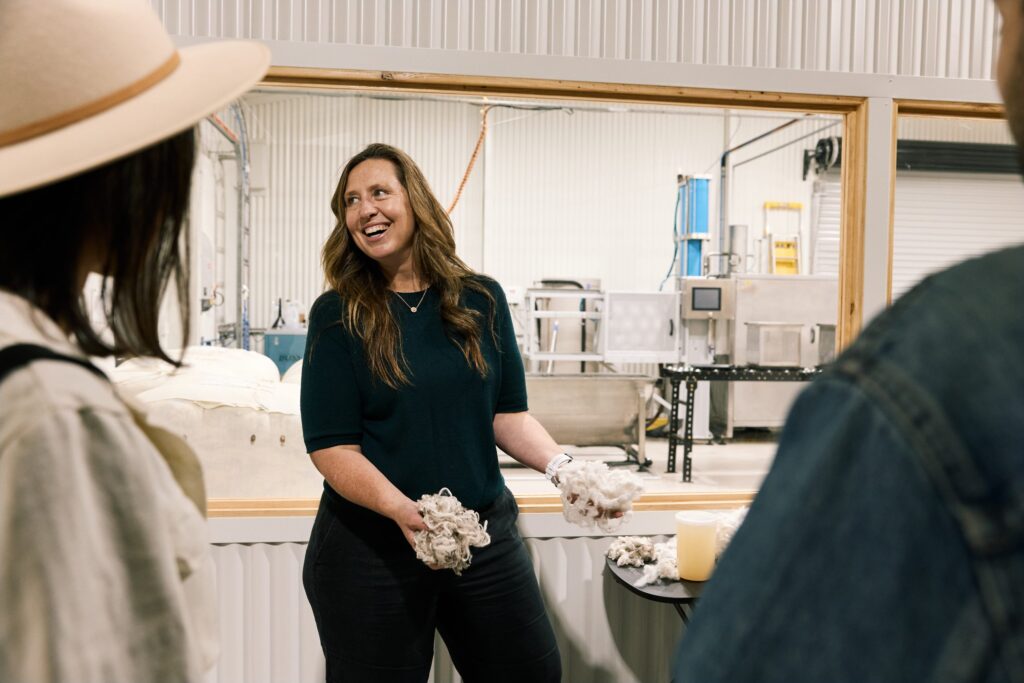
Honey, wine, spirits, seafood, and produce reflect an island where what’s grown and made is closely tied to the land around it.
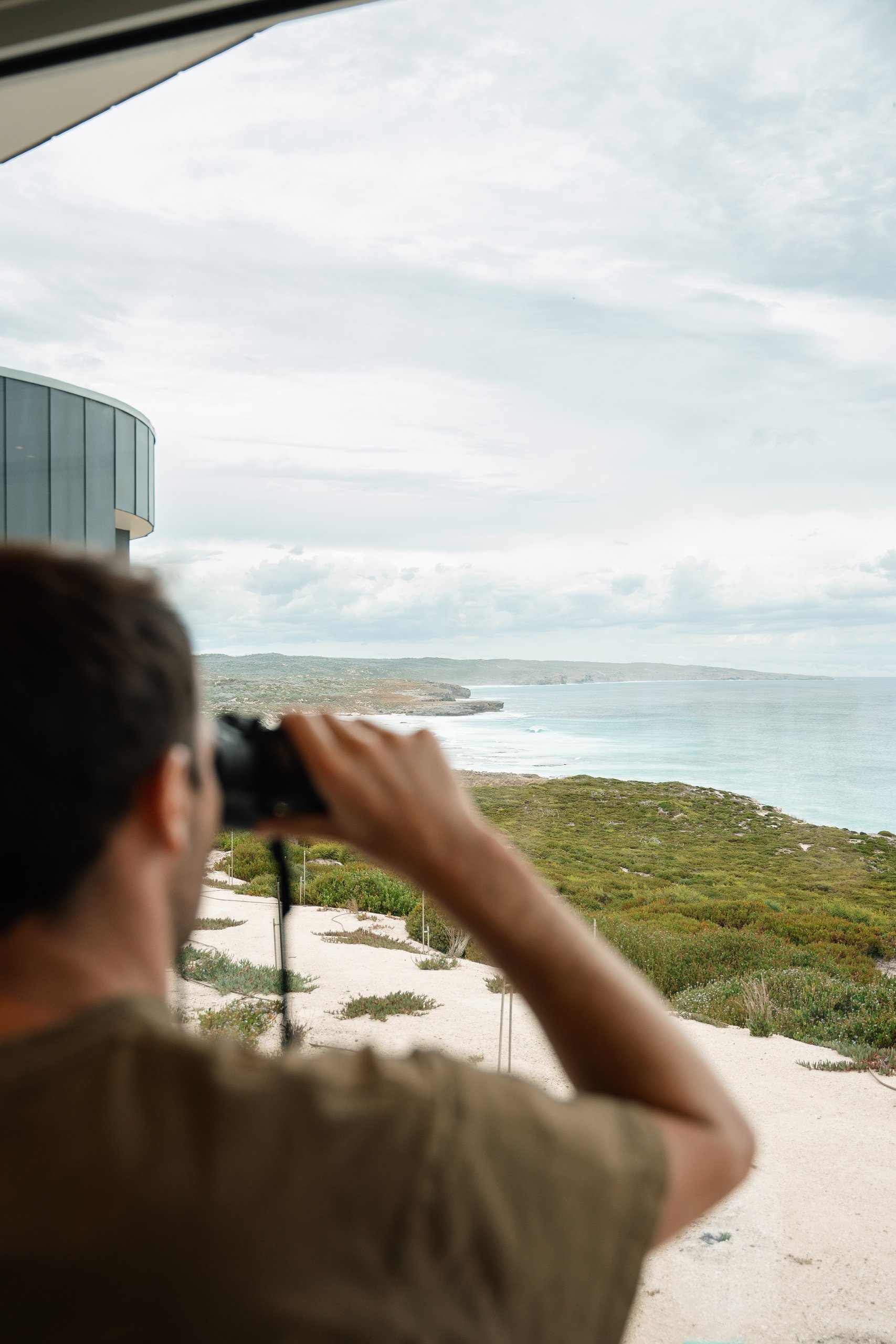
Kangaroo Island sits 110 kilometers south of Adelaide, a 40-minute flight from the mainland. Southern Ocean Lodge is on the island’s southwest coast at Hanson Bay, about 50 minutes from Kangaroo Island Airport and 90 minutes from the Penneshaw ferry terminal.
Flights from Adelaide to Kangaroo Island Airport take about 40 minutes. QantasLink operates scheduled service on most days, with domestic and international connections available through Adelaide.
Shared transfers between Kangaroo Island Airport and Southern Ocean Lodge are included for guests arriving on scheduled flights. Private transfers can also be arranged for an additional charge and are required for guests arriving by private charter.
SeaLink operates regular 45-minute ferry crossings from Cape Jervis to Penneshaw. Cape Jervis is about two hours by road from Adelaide, and Southern Ocean Lodge is a further 90 minutes (130 km) from Penneshaw. Guests can bring a car across or rent one on the island, though restrictions on mainland rental cars should be checked in advance.
Private flights can be organized from Adelaide to Kangaroo Island Airport, with departures from other cities available on request. Guests arriving by charter will need a private transfer from the airport to the lodge. For a more direct arrival, a helicopter can be arranged to the lodge’s helipad. Private charters, charter airport transfers, and helicopter arrivals are not included in your stay and are available at an additional cost.
SEASONALITY
Summer brings long days for exploring the coast and swimming in the cool sea. Autumn softens the landscape and brings milder days, while winter draws wildlife into greater view. By spring, wildflowers spread across the island, wildlife remains active, and warmer days invite more time outdoors.
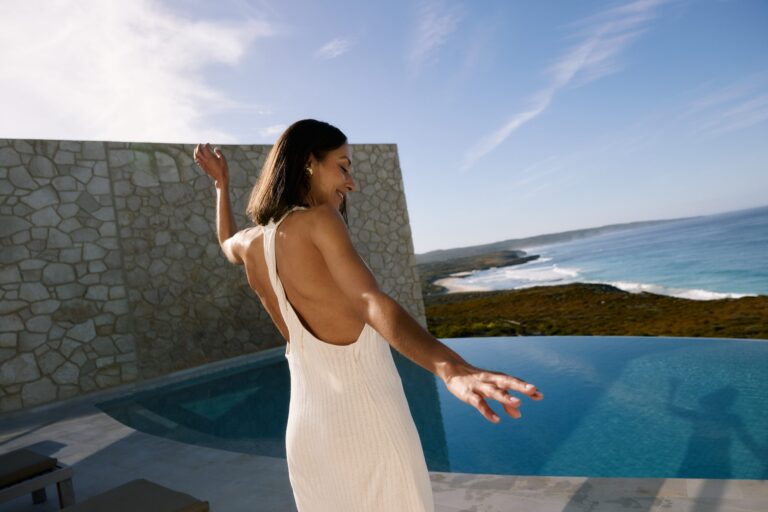
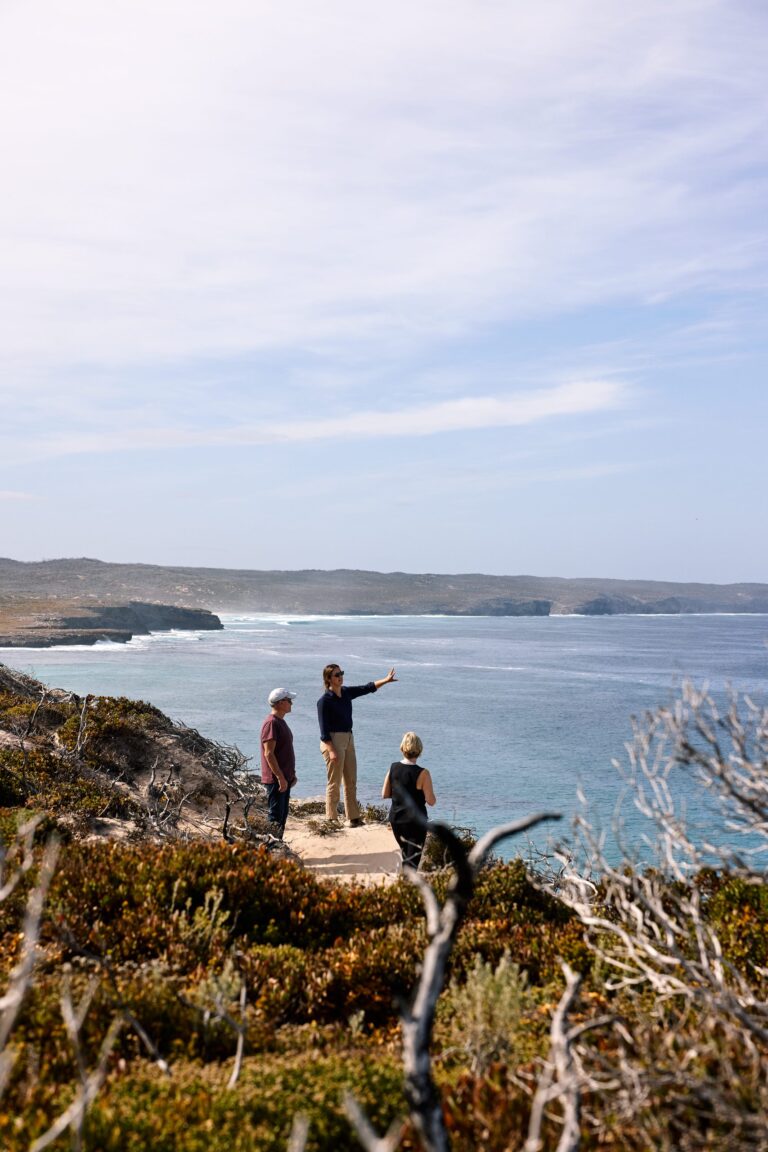
Golden grasslands, long days, and young wildlife give the island a sunlit energy made for exploring the coast.
Cooler days and fresh rainfall begin to green the landscape, with comfortable conditions for exploring farther afield.
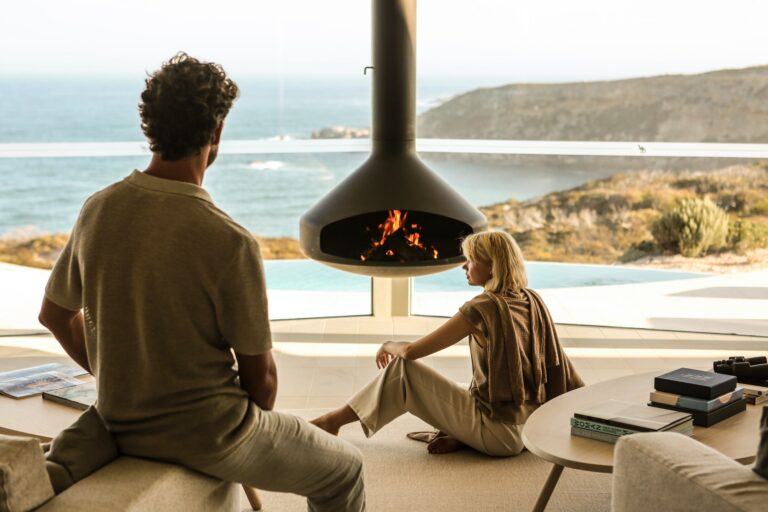
Active wildlife and dramatic weather bring a wilder side of the island into view, followed by cozy evenings by the fire.
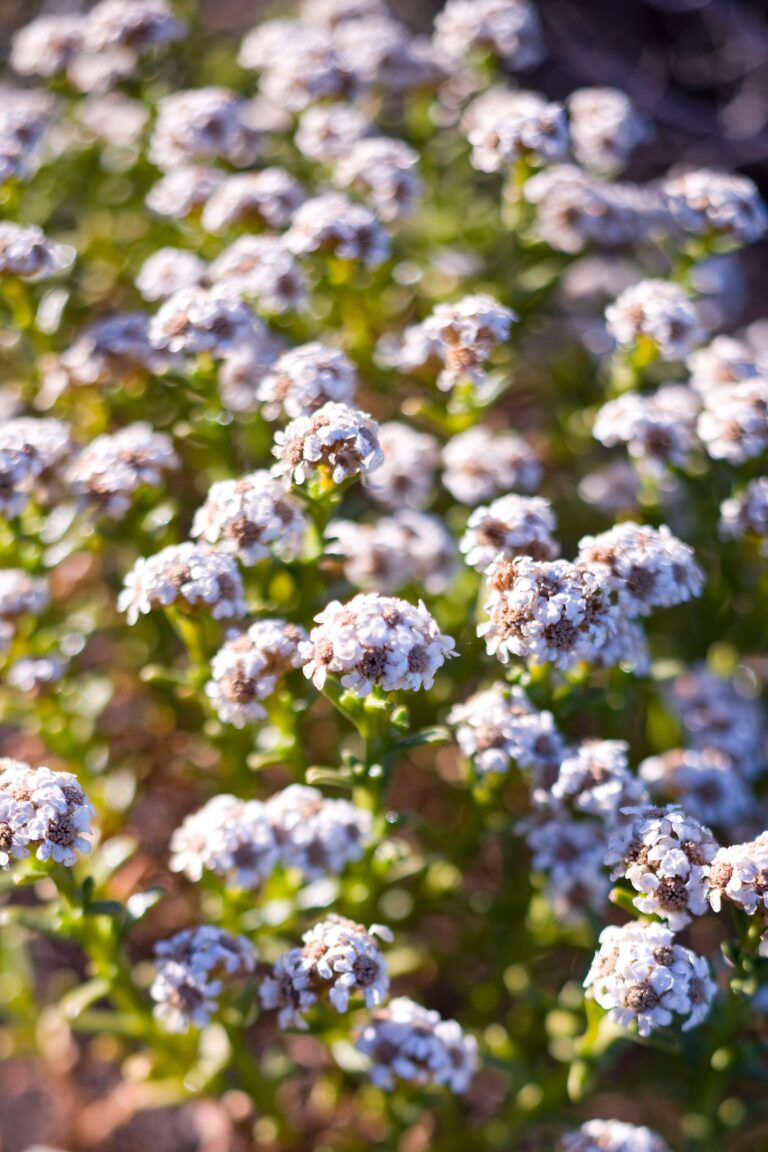
Wildflowers spread across the island, birdlife grows more active, and seasonal produce begins to come into its own.
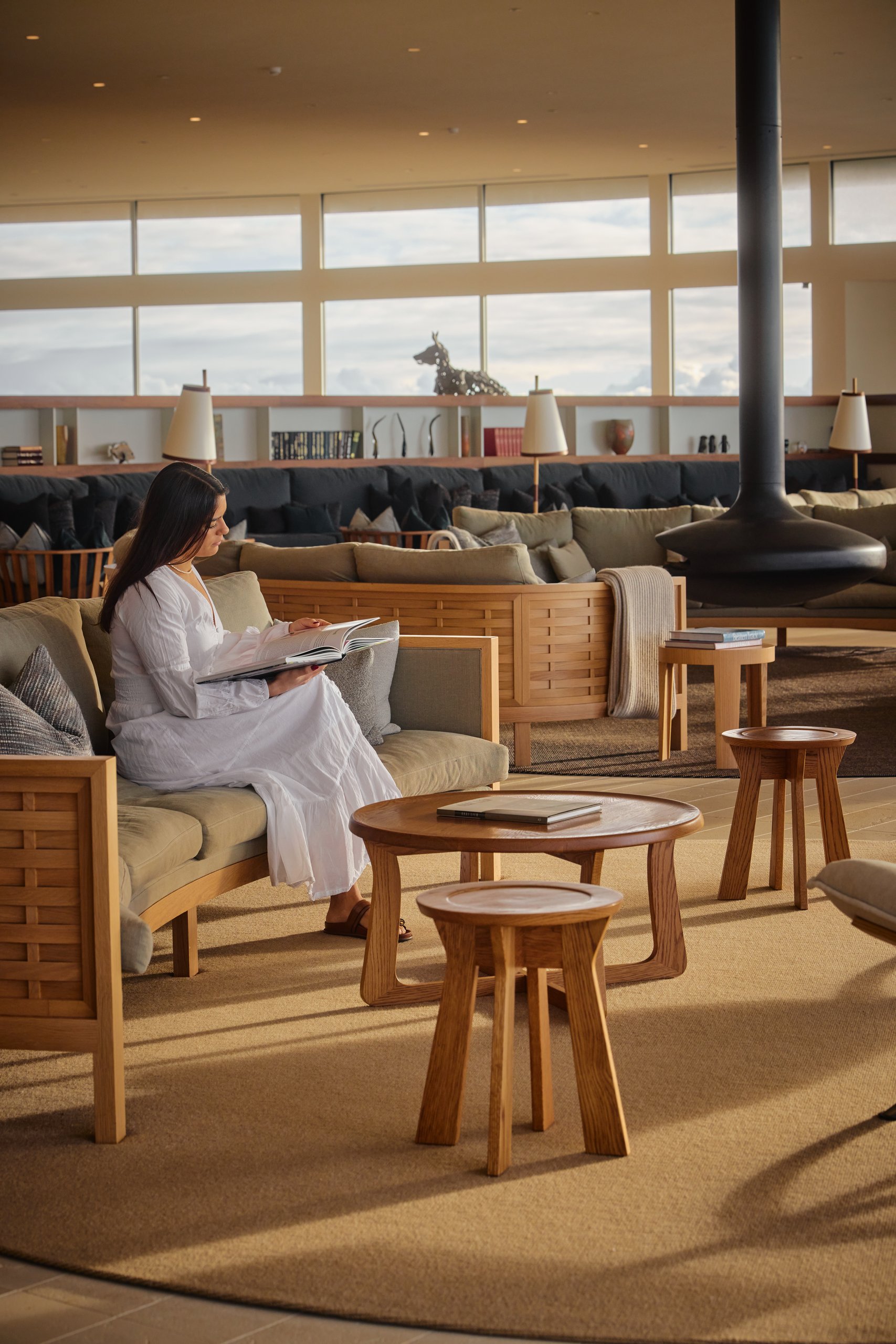
Days on Kangaroo Island often mean time outdoors, so pack comfortable layers, sturdy walking shoes, and a light waterproof jacket. Bring swimwear and sun protection in warmer months, along with something warm for cool mornings and evenings.
Your stay includes all dining and beverages, including premium wines and spirits, an in-suite bar replenished daily, signature guided experiences, and return transfers to and from Kangaroo Island Airport.
Daily laundry service is available for an additional charge. Dry cleaning is not available at Southern Ocean Lodge.
Wi-Fi is available throughout the lodge. Mobile service across Kangaroo Island can be limited, though Wi-Fi calling and apps such as WhatsApp make it easy to stay connected.
Dress at Southern Ocean Lodge is smart casual and relaxed. Evenings call for something polished but comfortable, with no jacket required.
Still have questions? Our specialists can help with the details before your stay.
Get in TouchThe local currency is the Australian dollar (AUD).
Kangaroo Island follows Australian Central Standard Time (ACST), UTC+9:30, with daylight saving observed seasonally.
English is the primary language spoken on Kangaroo Island.
Wildlife can be seen year-round, but winter is especially rewarding, when animals are particularly active. Summer brings another perspective, with young koalas, wallabies, kangaroos, fur seals, and sea lions appearing across the island.
Three nights is a good starting point, giving you time to experience Flinders Chase National Park, Seal Bay, Hanson Bay, and the lodge’s signature guided excursions without rushing. A longer stay leaves more time for private touring, hiking, and exploring the island’s lesser-known corners.
Yes. Southern Ocean Lodge includes guided island experiences, and private touring can also be arranged. A car offers more flexibility for independent exploring, but it is not essential to experience the island from the lodge.
Standouts include the sculptural Remarkable Rocks, Admirals Arch, the limestone cliffs around Hanson Bay, Seal Bay, and the vast wilderness of Flinders Chase National Park.
Yes. Dolphins can be seen along the coast, while whales migrate through the surrounding waters seasonally. Sightings are never guaranteed, but the island’s coastal setting offers plenty of opportunities to look for marine life.
Popular outings include Flinders Chase National Park and Remarkable Rocks, Seal Bay Conservation Park, the north coast around Stokes Bay and Snellings Beach, and private island tours centered on wildlife, scenery, food, and local producers.
Southern Ocean Lodge sits at Hanson Bay on the island’s remote southwest coast. It is about 50 minutes by road from Kangaroo Island Airport near Kingscote and about 90 minutes from the ferry terminal at Penneshaw.