

Old-Vine Heritage
Some of the world’s oldest producing vines still grow here, preserving generations of Barossa winemaking.
ROOTED IN THE LAND
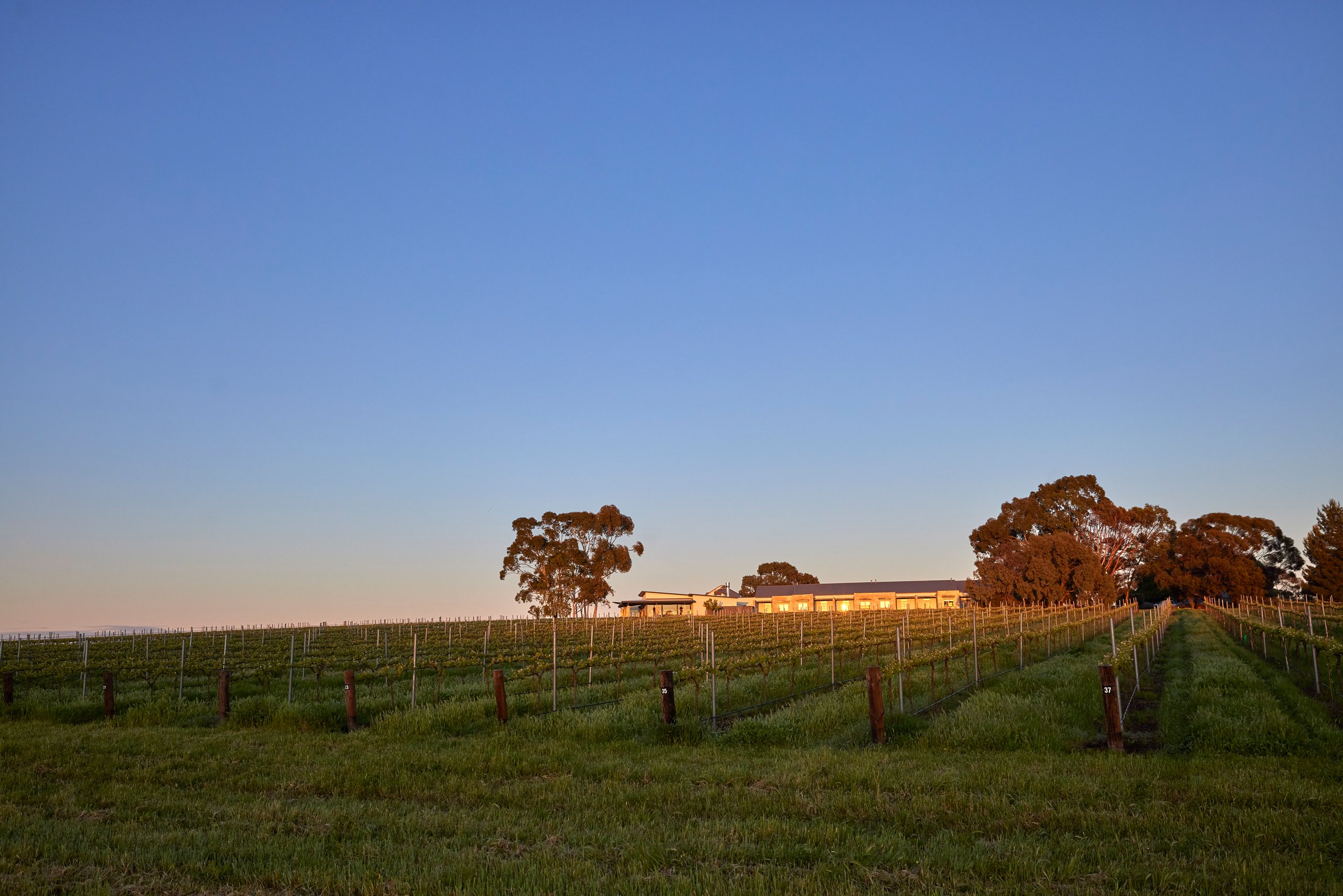
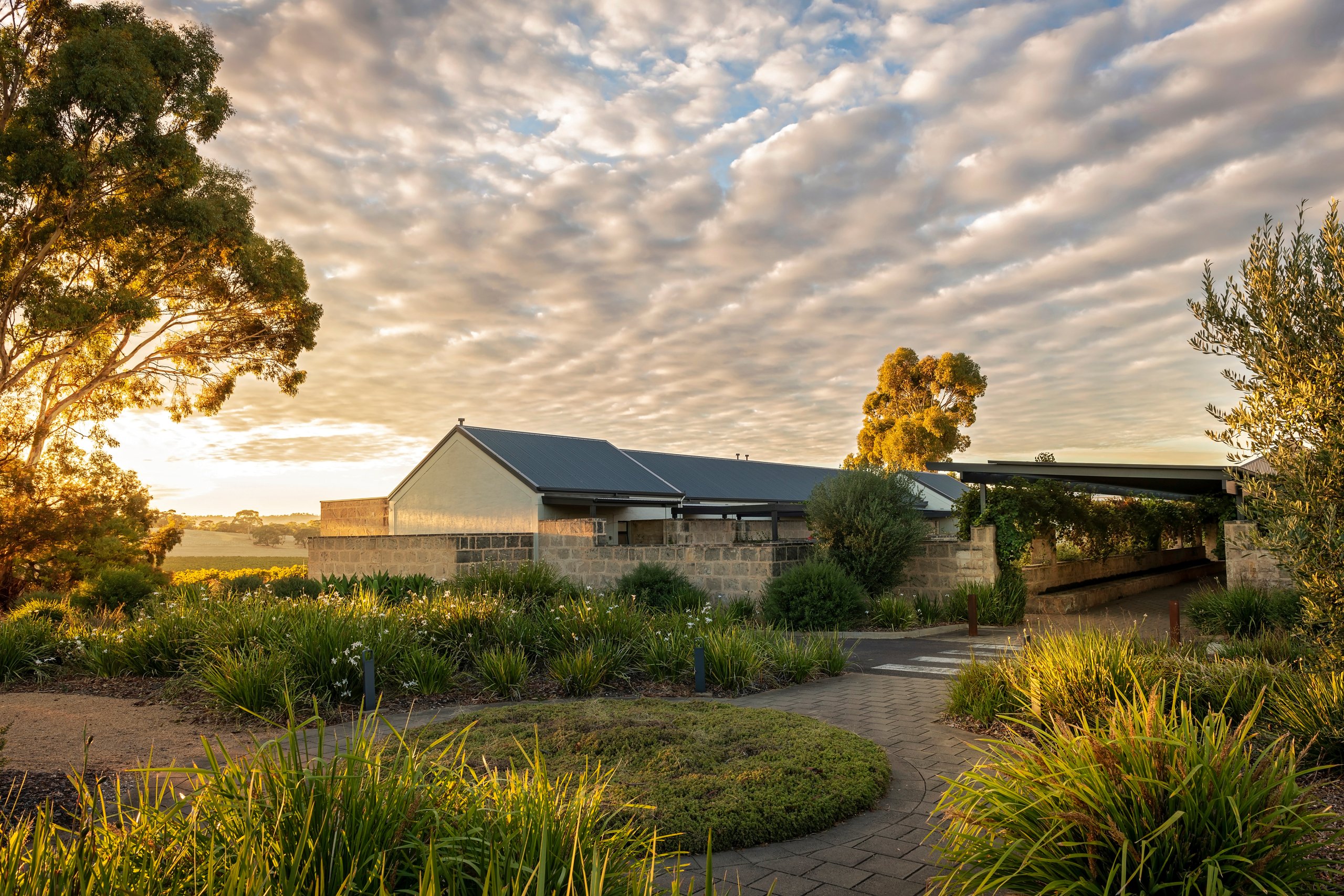
Wine may have put the Barossa on the map, but there’s much more growing here. Historic vineyards sit alongside farms, orchards, restaurants, and small producers, with The Louise tucked among the vines and perfectly placed for exploring the people and places behind it all.
More than 150 wineries and 80 cellar doors are tucked into the Barossa Valley, making wine a part of everyday life here.
The Barossa is home to the world’s oldest continuously producing Shiraz, Grenache, Mataro, Cabernet Sauvignon, and Semillon vines.
German Lutheran settlers arrived in the Barossa in 1842, leaving a lasting mark on the region’s villages, food, and culture.
Barossa vineyards remain free of phylloxera, helping preserve an extraordinary collection of old vines.
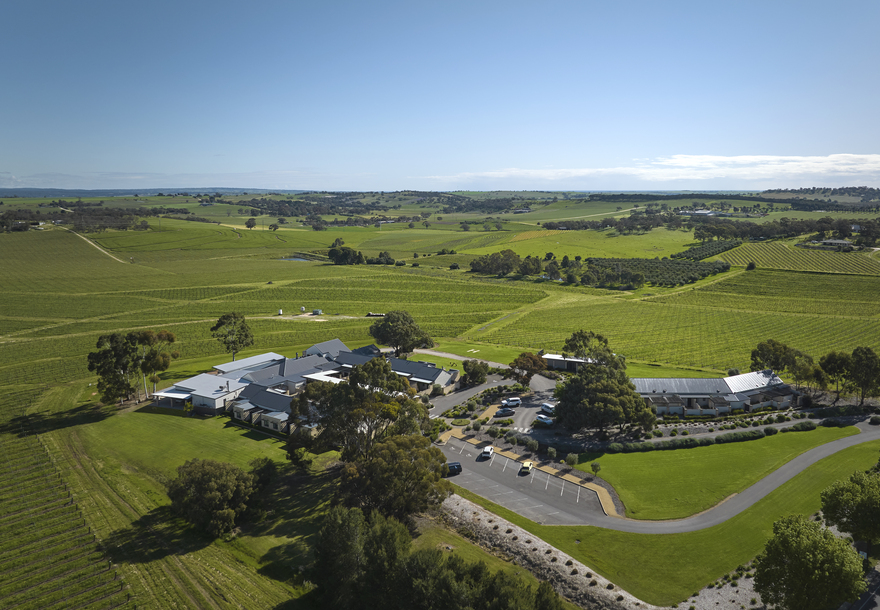
Vineyards, farms, and old stone villages unfold across a valley where what’s grown and made here still shapes daily life.
Some of the world’s oldest producing vines still grow here, preserving generations of Barossa winemaking.
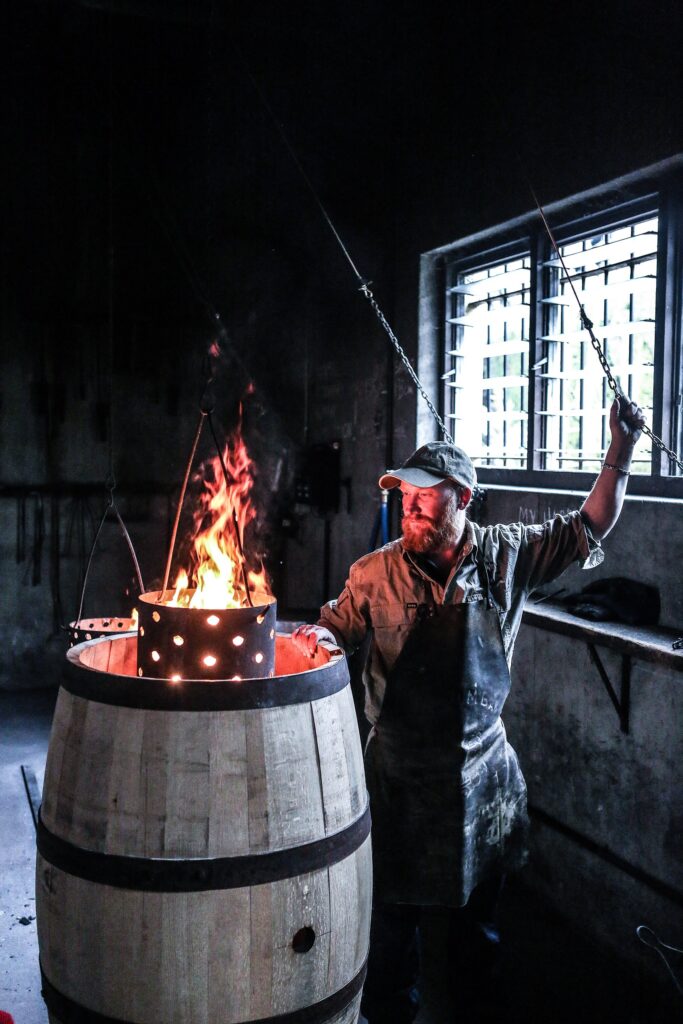
Winemakers, farmers, artists, and craftspeople give the Barossa a creative spirit that reaches well beyond the vineyard.
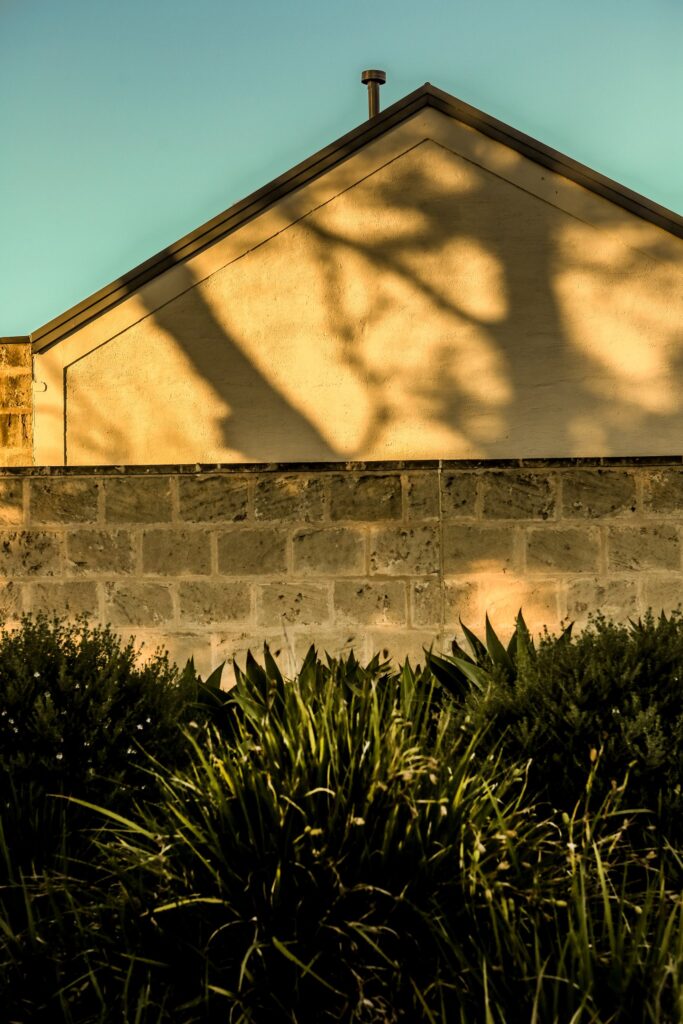
German settler traditions live on in old stone buildings, family recipes, and customs passed down through generations.
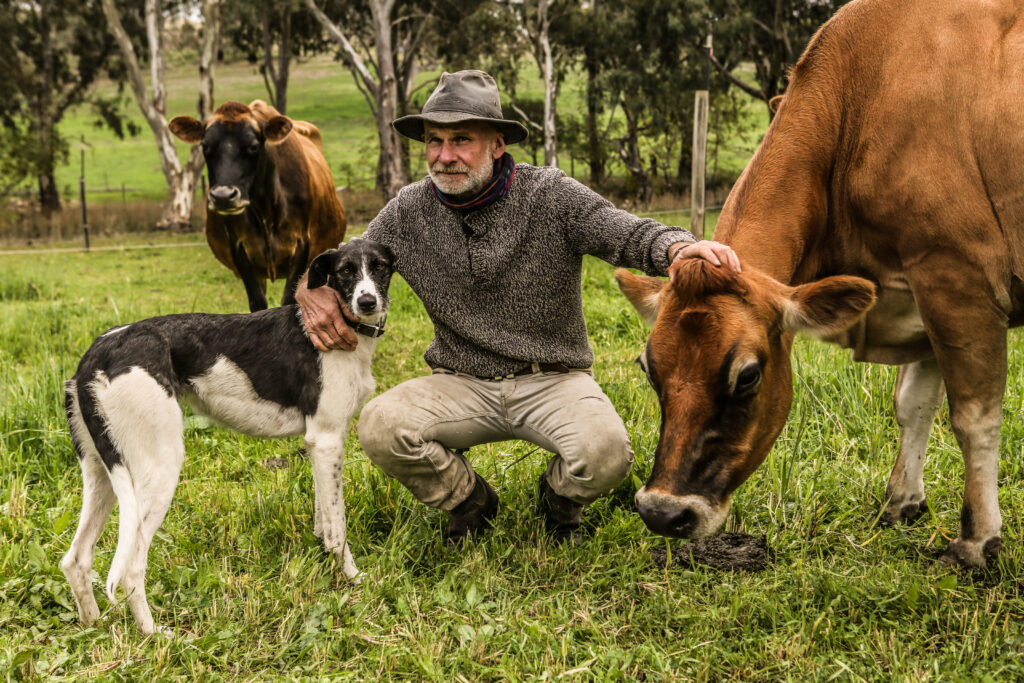
Generations of growers, makers, and families give the Barossa the warmth and familiarity of a place deeply rooted in community.
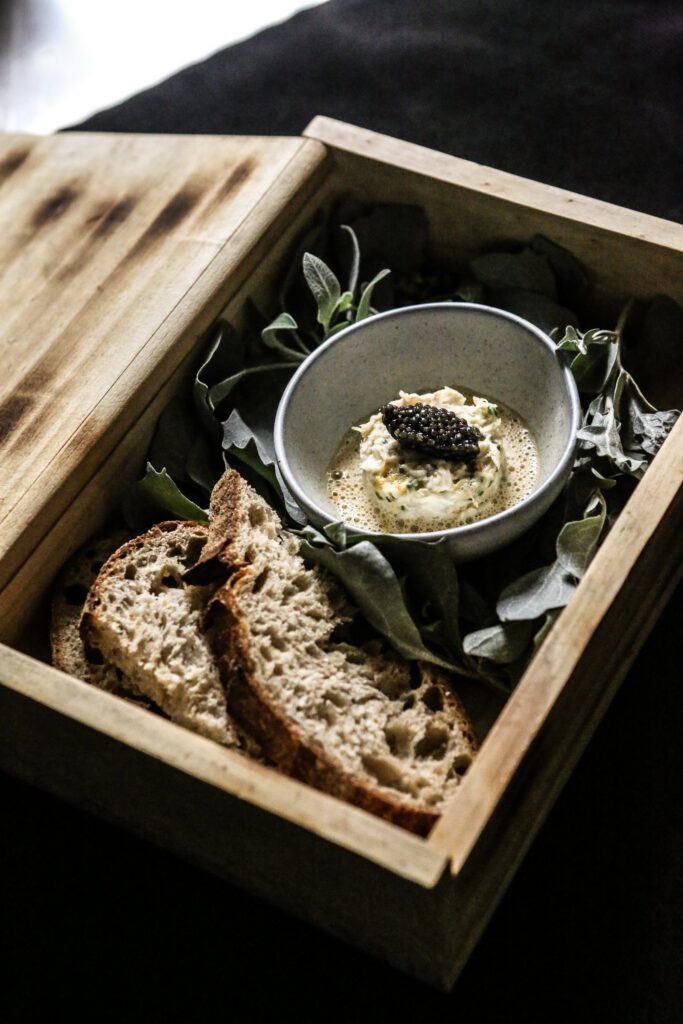
Bakers, cheesemakers, growers, and producers turn the valley’s abundance into a food culture distinctly its own.
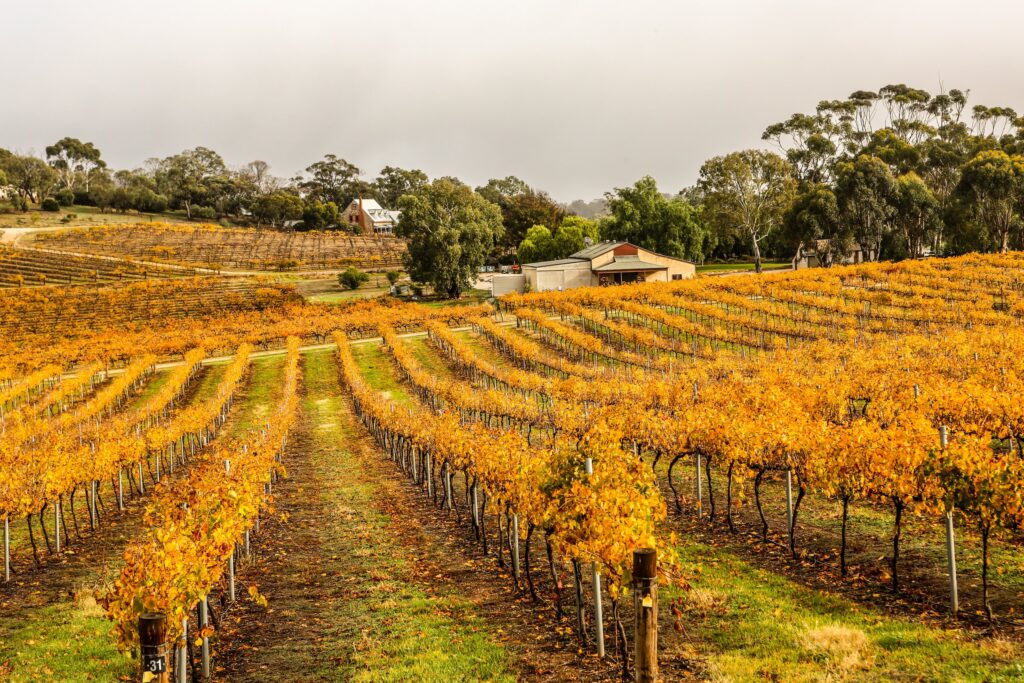
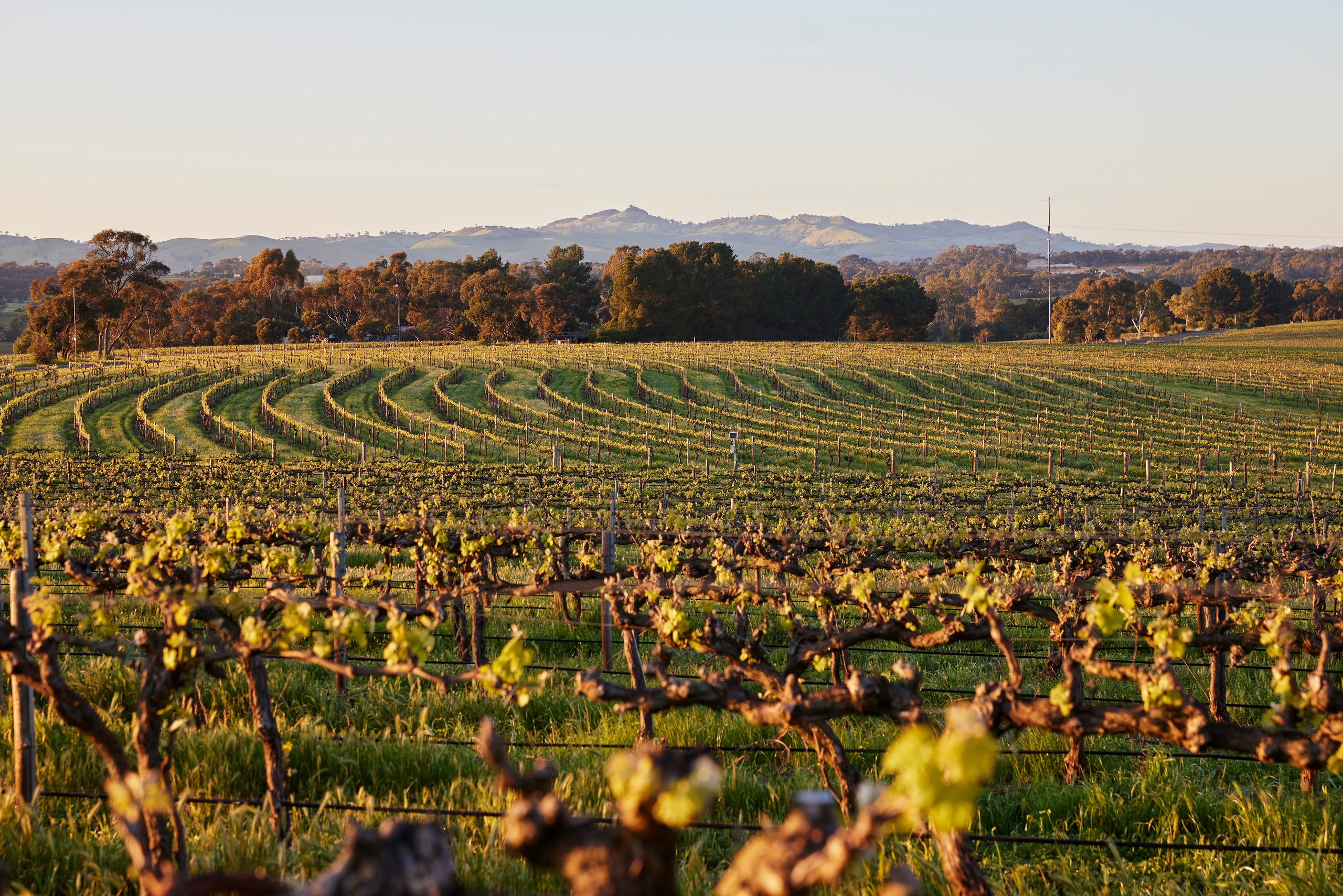
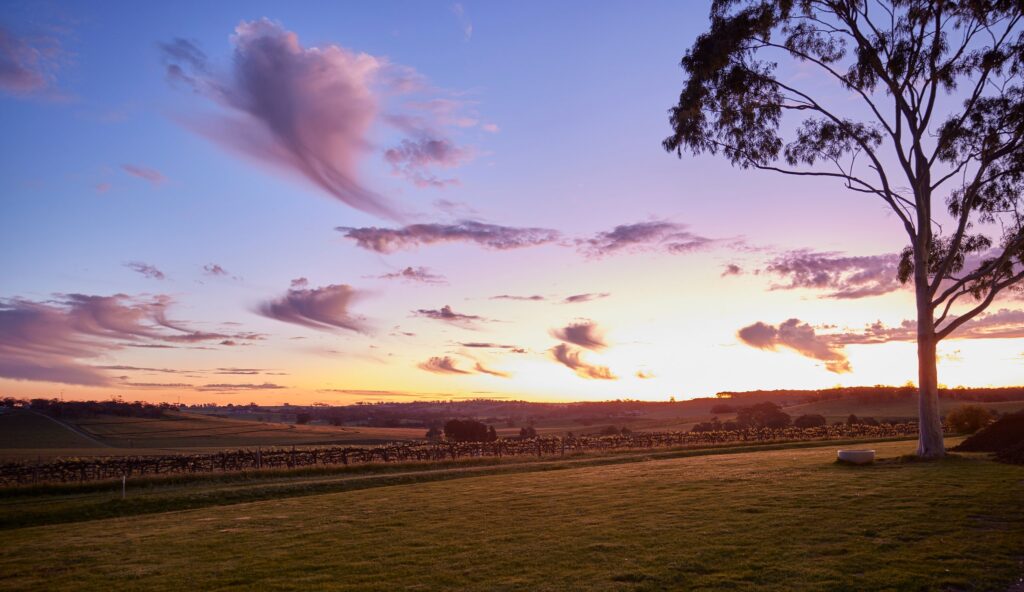
Vineyards sweep across rolling hills and open farmland, stitched together by quiet country roads and towering gums.
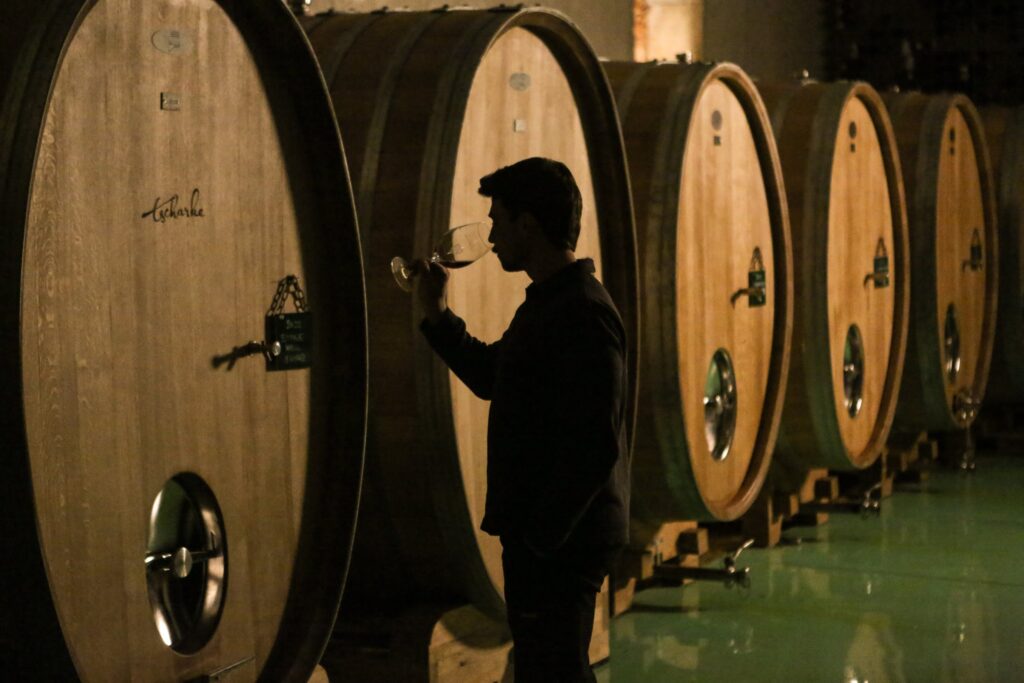
Hundreds of cellar doors range from historic estates to producers, making wine tasting an intimate part of exploring the valley.
Tanunda, Angaston, and Nuriootpa bring cafés, bakeries, shops, and historic architecture to the heart of wine country.
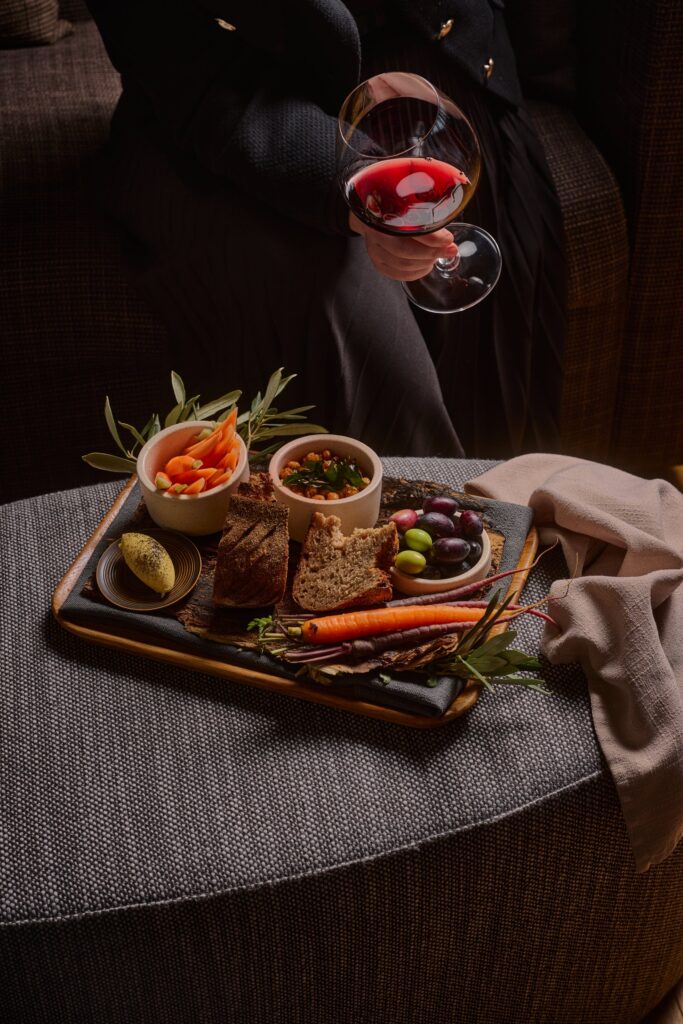
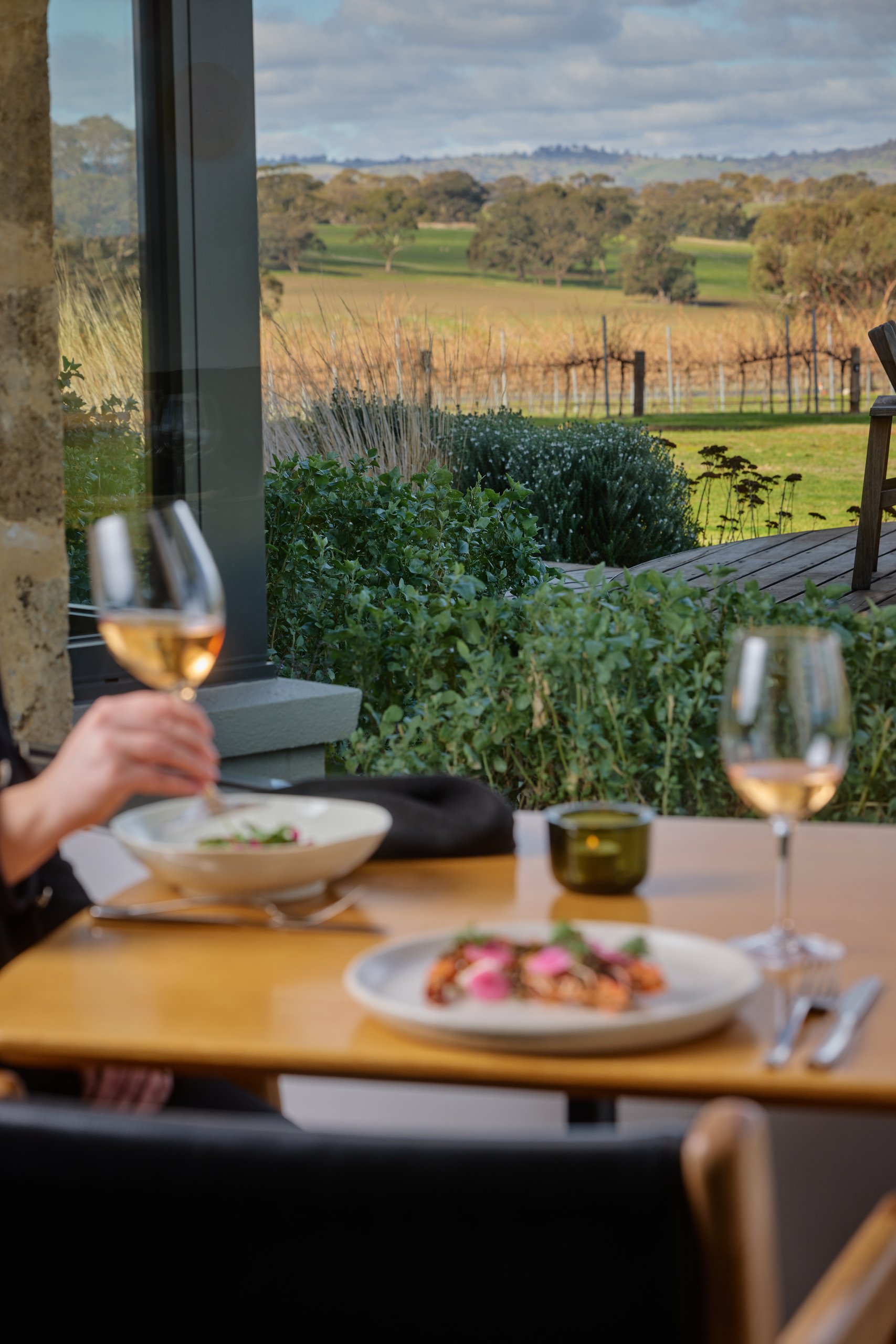
What’s growing nearby shapes what’s on the table, from orchard fruit and vegetables to local meat, cheese, and wine.
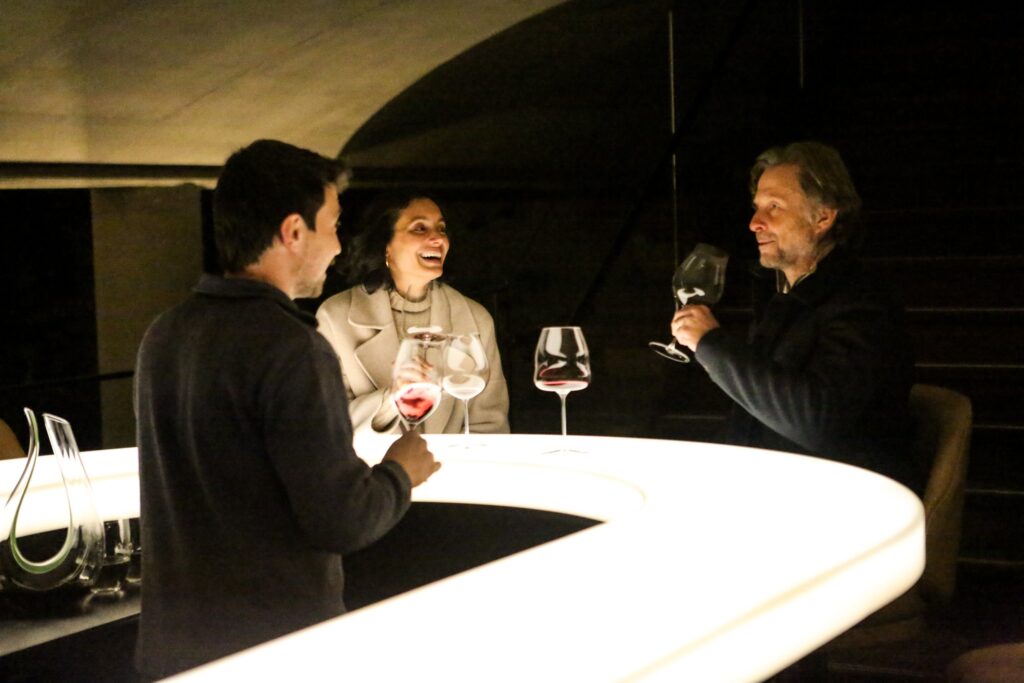
Historic estates and tiny producers make wine tasting an intimate part of exploring the valley.
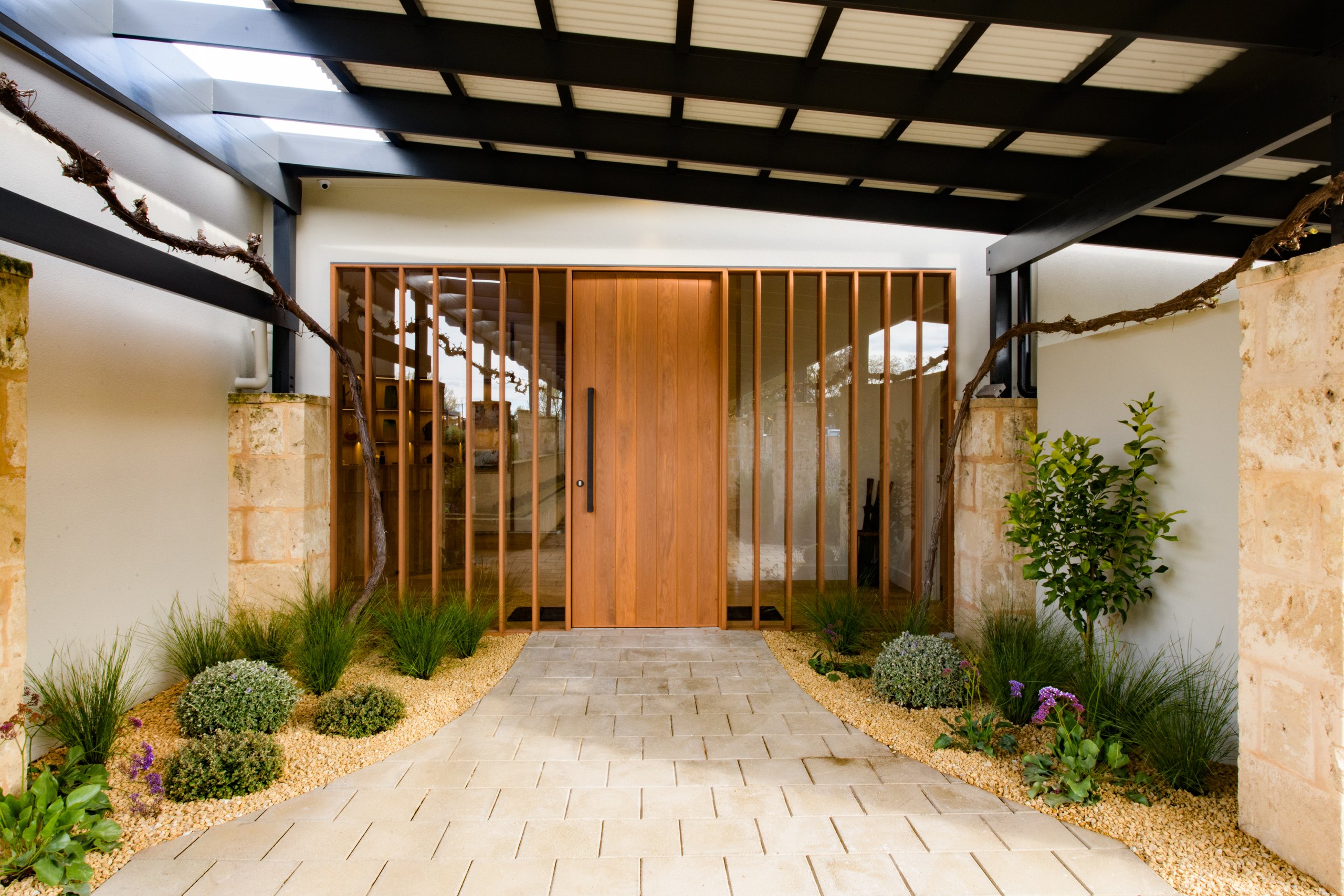
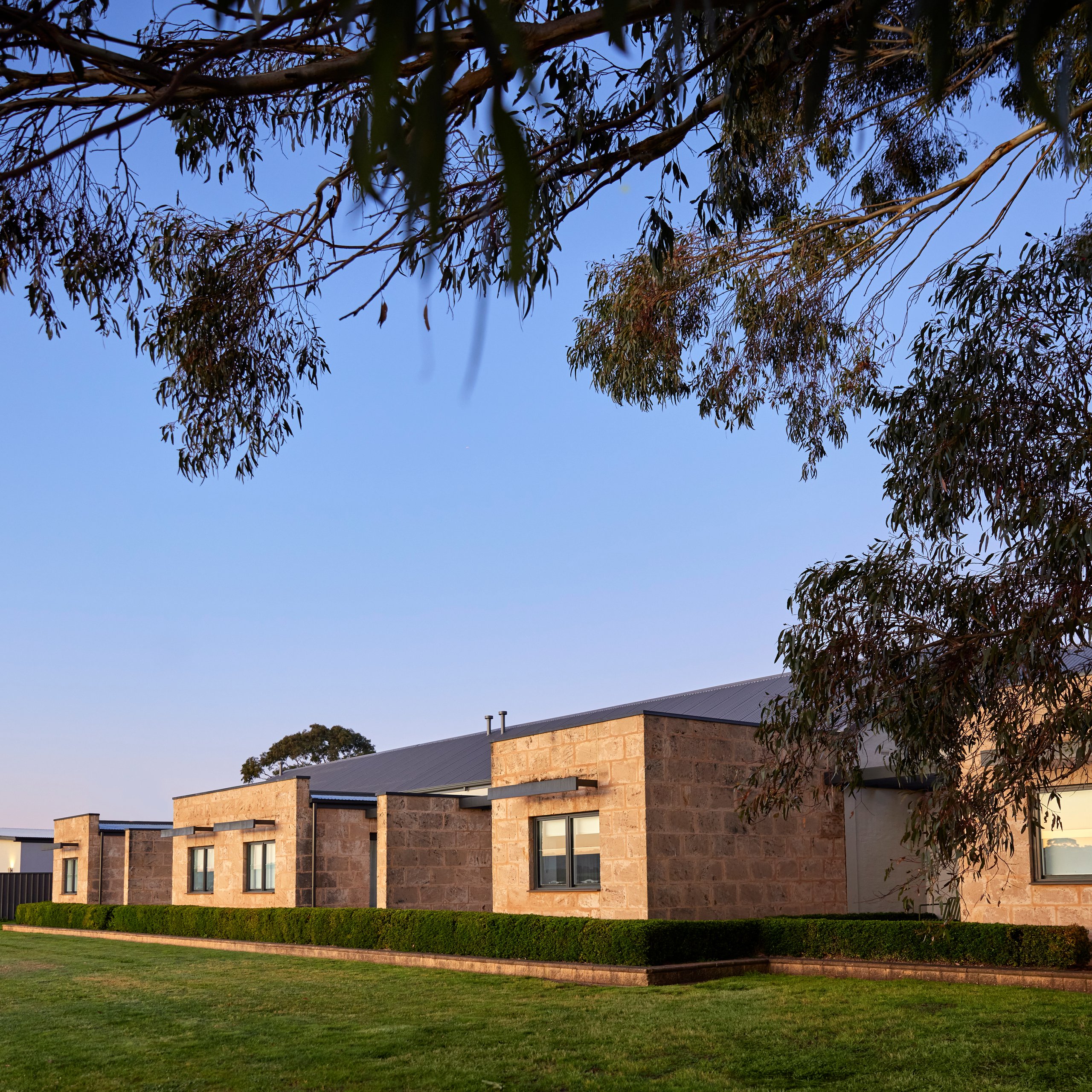
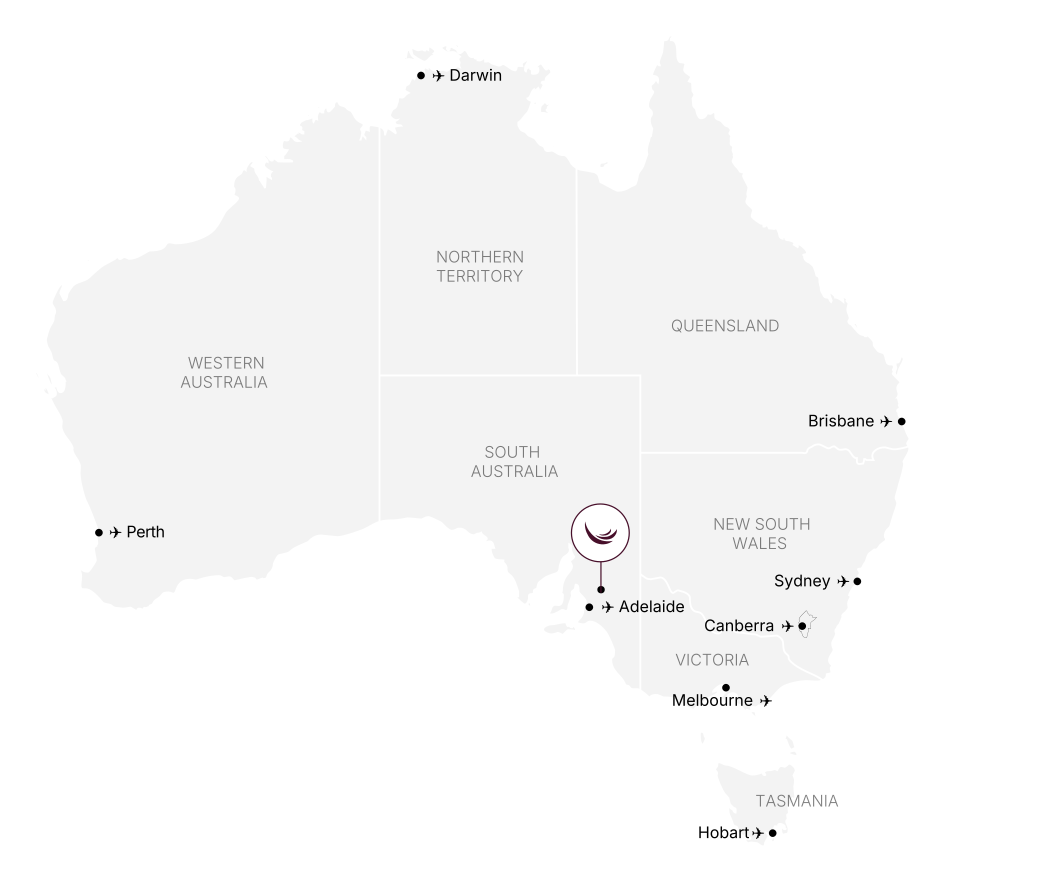
The Louise sits in the Barossa Valley, about 70 kilometers northeast of Adelaide. From the city or airport, the lodge is easily reached by car, private transfer, or helicopter. The drive takes approximately one hour from central Adelaide or Adelaide Airport, depending on traffic.
Adelaide Airport is the main gateway to the Barossa, with domestic flights from major Australian cities. Most international guests connect via Sydney, Melbourne or Brisbane. The Louise is about an hour’s drive from the airport.
Private transfers can be arranged from Adelaide Airport, the General Aviation Terminal, Keswick railway station, or hotels in central Adelaide. Foreign-language guides are also available on request.
The Louise has an onsite helipad for private helicopter arrivals during daylight hours. Flight time from Adelaide varies depending on the route taken.
The drive from Adelaide is straightforward and gives you the freedom to explore the Barossa at your own pace. Major rental car companies operate from Adelaide Airport and throughout the city.
SEASONALITY
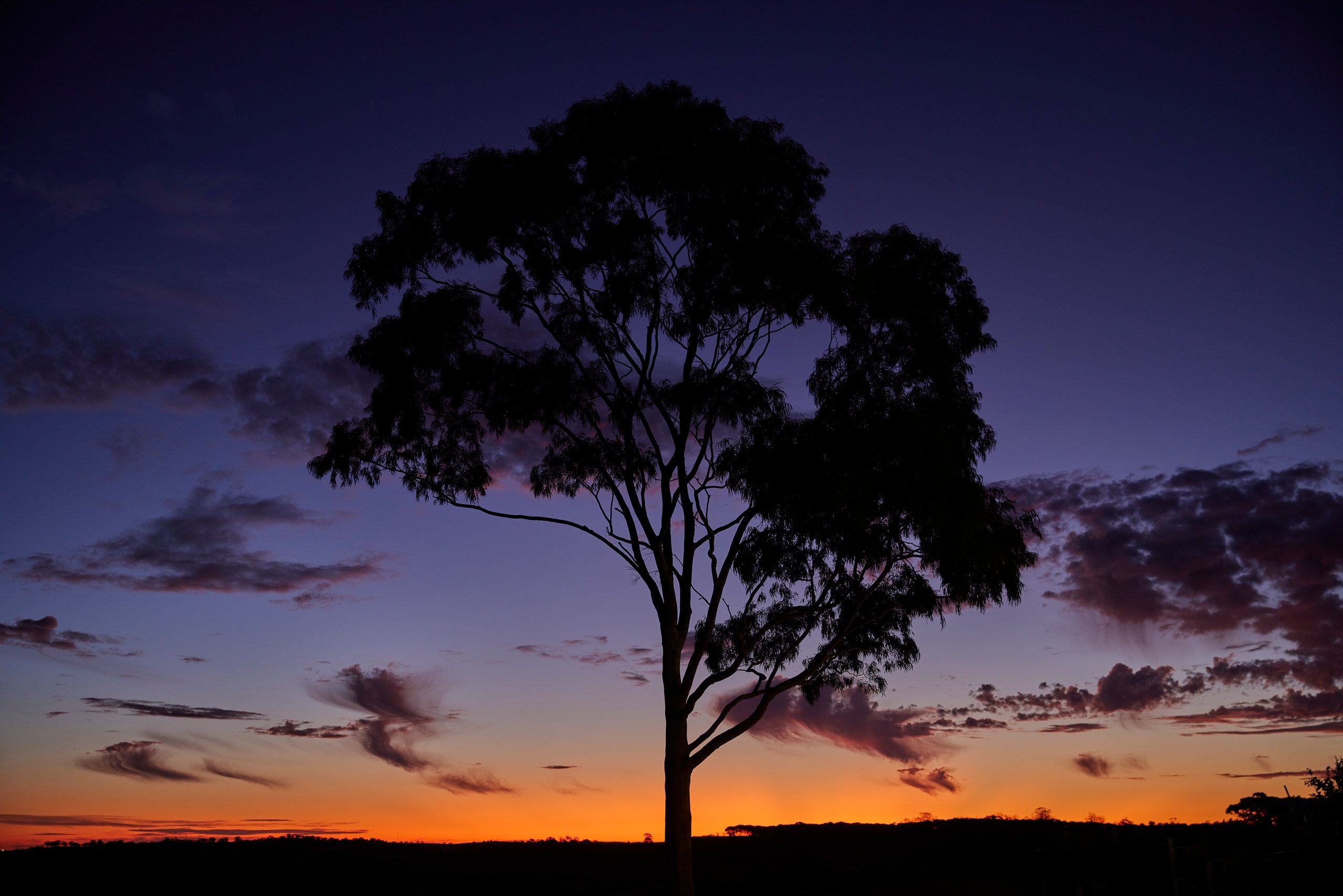
Summer brings hot, dry days and ripening grapes before harvest fills the valley with activity. Fall softens the landscape as the vines turn gold, while winter brings cool days and cozy fireside evenings. By spring, fresh growth returns to the vineyards and the countryside turns green again.
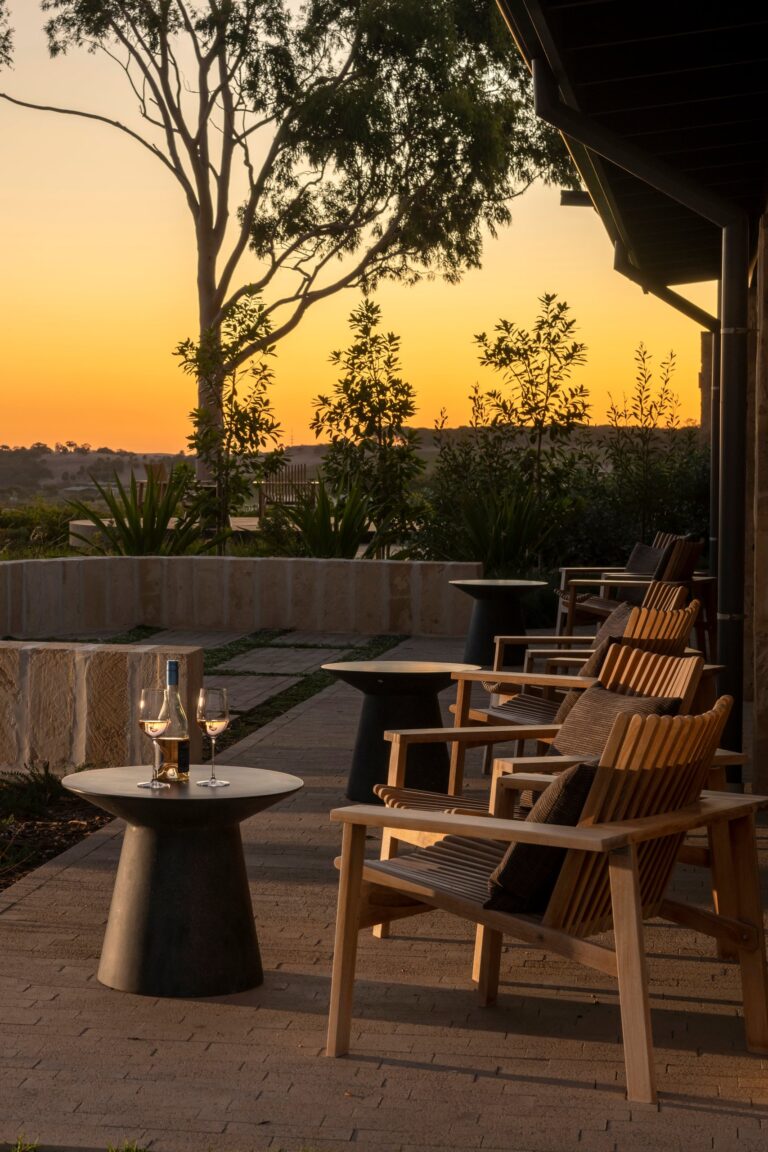
Long, sunlit days ripen the grapes as harvest approaches and the surrounding farmland turns gold.
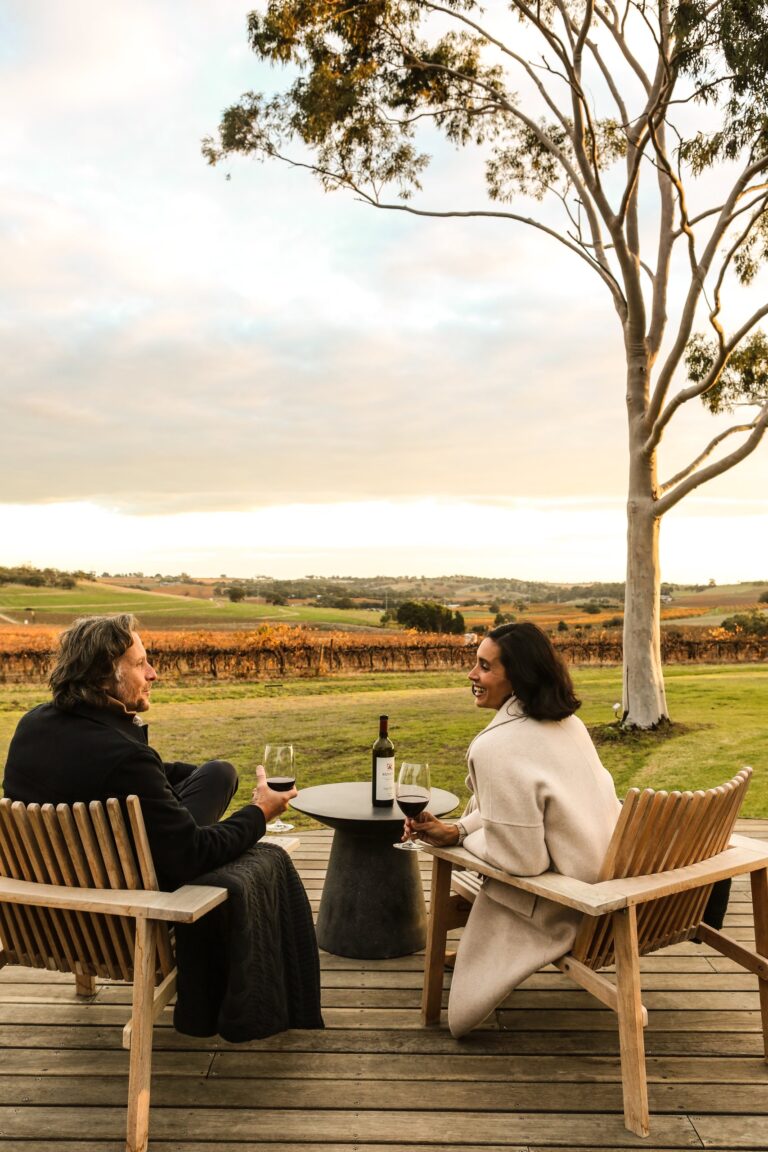
Harvest continues as cooler days settle over the Barossa and orchards brim with the season’s fruit.
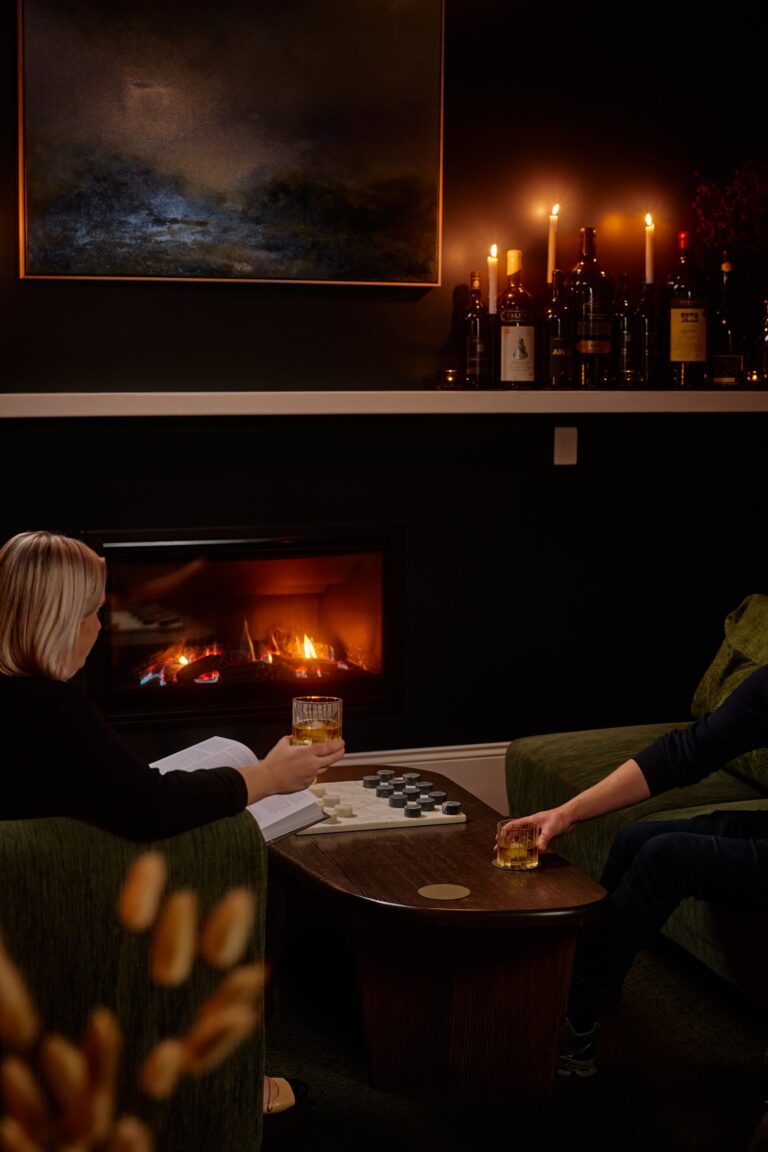
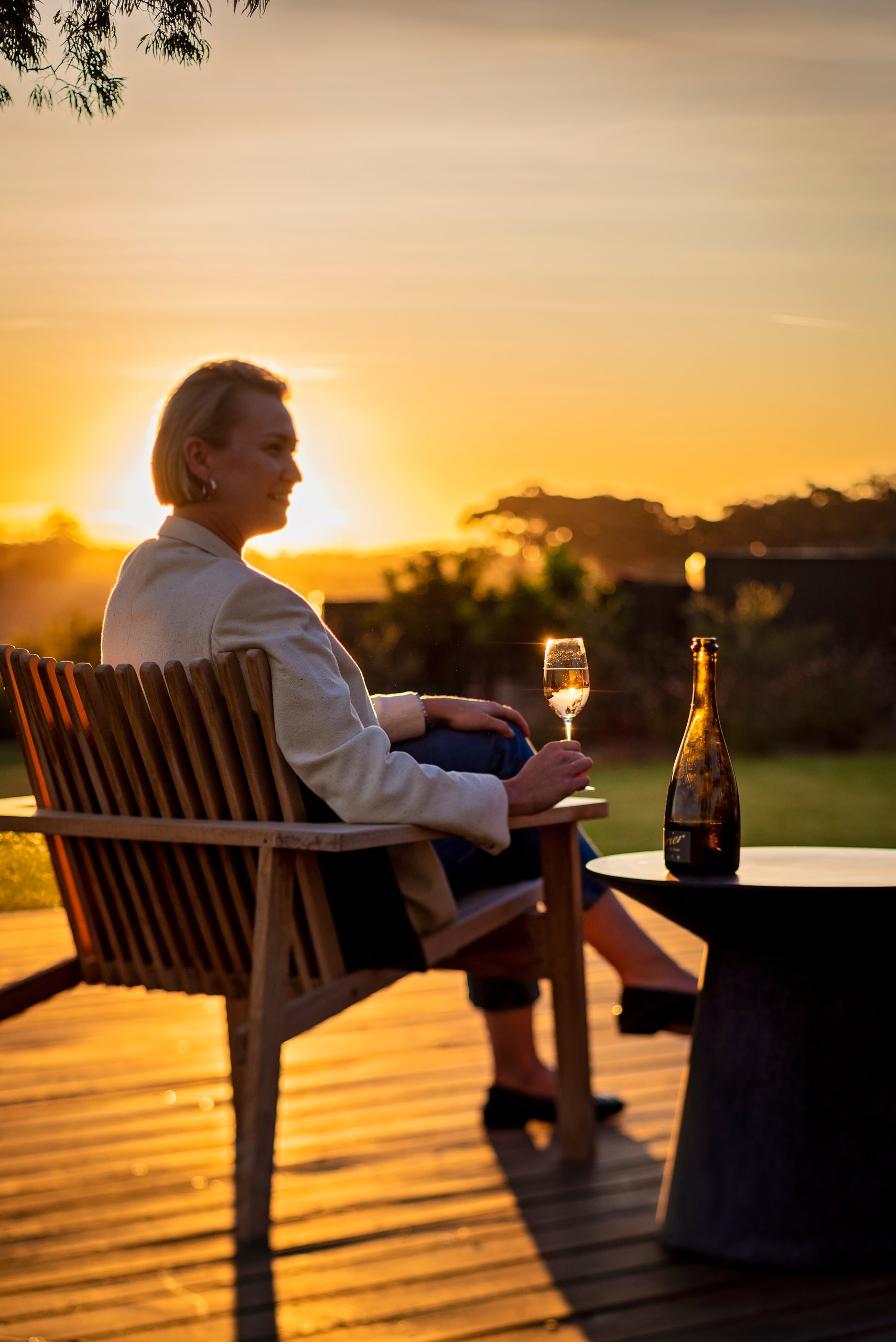
Bare vines and crisp days bring a quieter mood, with open fires and long lunches setting the pace.
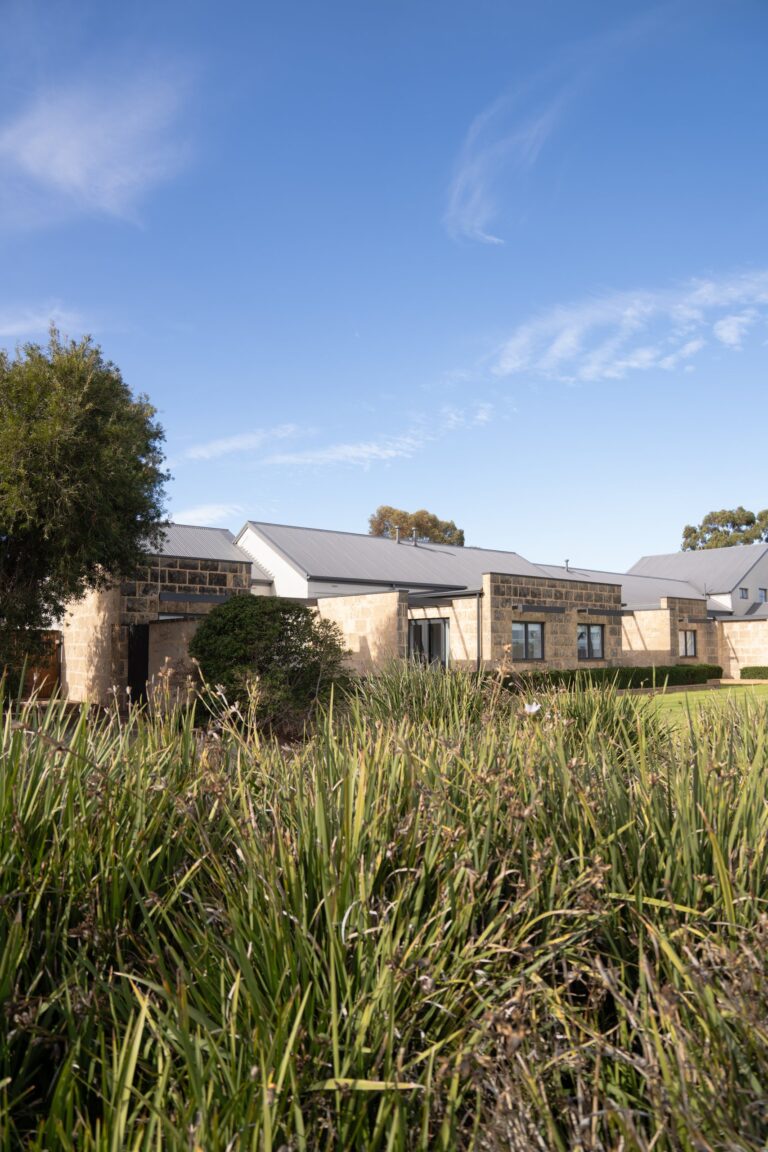
Fresh green growth returns to the vineyards, fruit trees blossom, and life in the Barossa moves outdoors again.
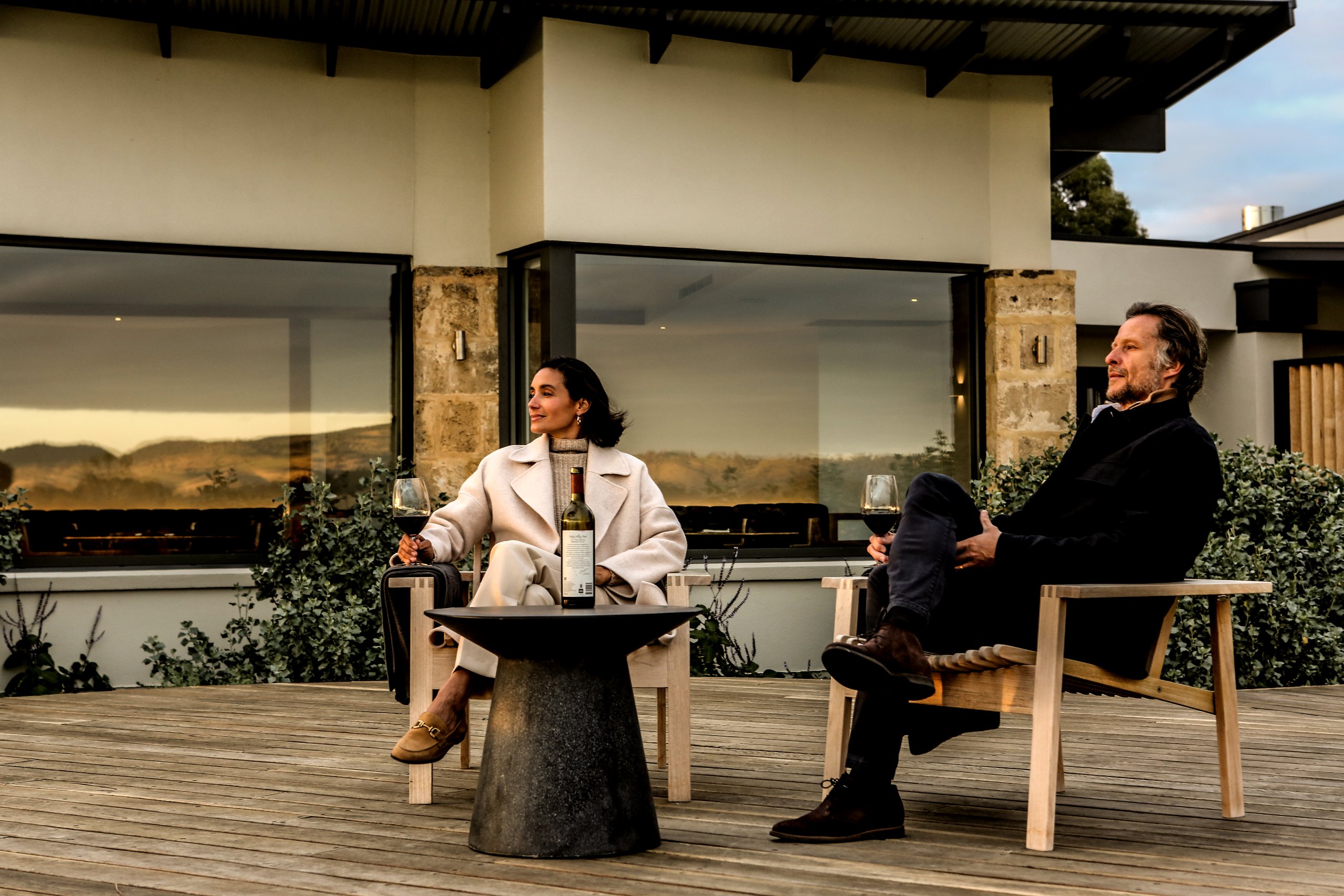
Pack comfortable walking shoes and layers for exploring the Barossa, with a jacket for cooler days and evenings. In summer, bring swimwear for the pool, along with a hat and sunscreen for time outdoors.
Your stay includes breakfast, pre-dinner drinks and snacks, dinner at Appellation with paired premium wines, a daily replenished in-suite bar, and use of the pool, fitness center, and sauna.
Dress at The Louise is smart casual, in keeping with the relaxed country setting. Around the lodge, comfortable, casual attire is welcome. The same relaxed approach extends to dining, with daytime attire suitable for breakfast and something a little more polished encouraged for dinner at Appellation. Formal attire is not required.
Daily laundry service is available for an additional charge.
Complimentary Wi-Fi is available throughout The Louise.
Still have questions? Our specialists can help with the details before your stay.
Get in TouchThe local currency is the Australian Dollar (AUD).
The Barossa Valley follows Australian Central Standard Time (ACST), UTC+9:30. Daylight saving applies seasonally.
English is the primary language spoken in the Barossa Valley.
Harvest typically runs from mid-February through late April, when vineyards and wineries across the region are at their busiest.
Absolutely. Farmers markets, restaurants, galleries, cycling and walking trails, cooking experiences, artisan studios, and scenic flights offer plenty to explore beyond the cellar door.
Three nights gives you time for cellar doors, dining, local producers, and exploring the valley without rushing. A longer stay leaves room for private touring and slower days between tastings.
Yes, The Louise welcomes children ages 10 and older. Beyond the cellar doors, families can explore walking and cycling trails, food experiences, galleries, and the outdoors.